Last updated November 22, 2026
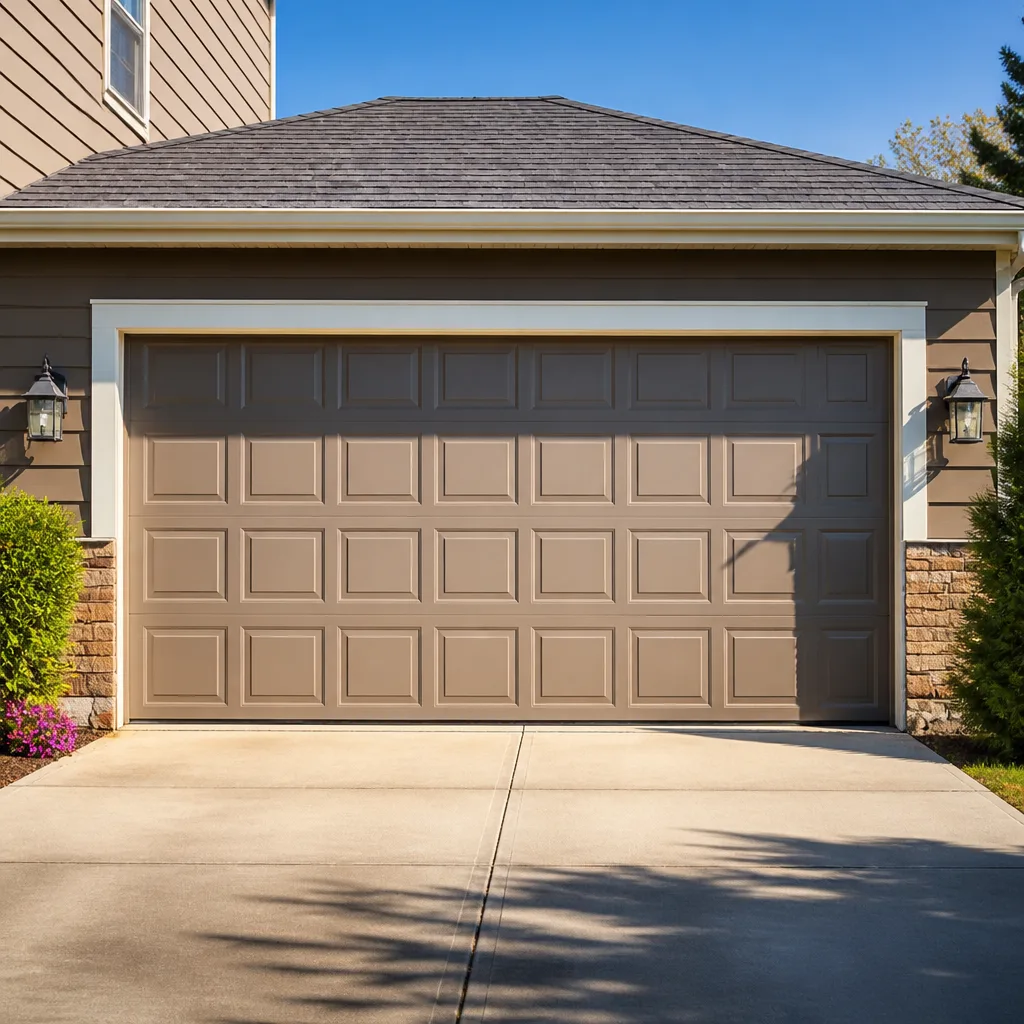 Raised-panel steel
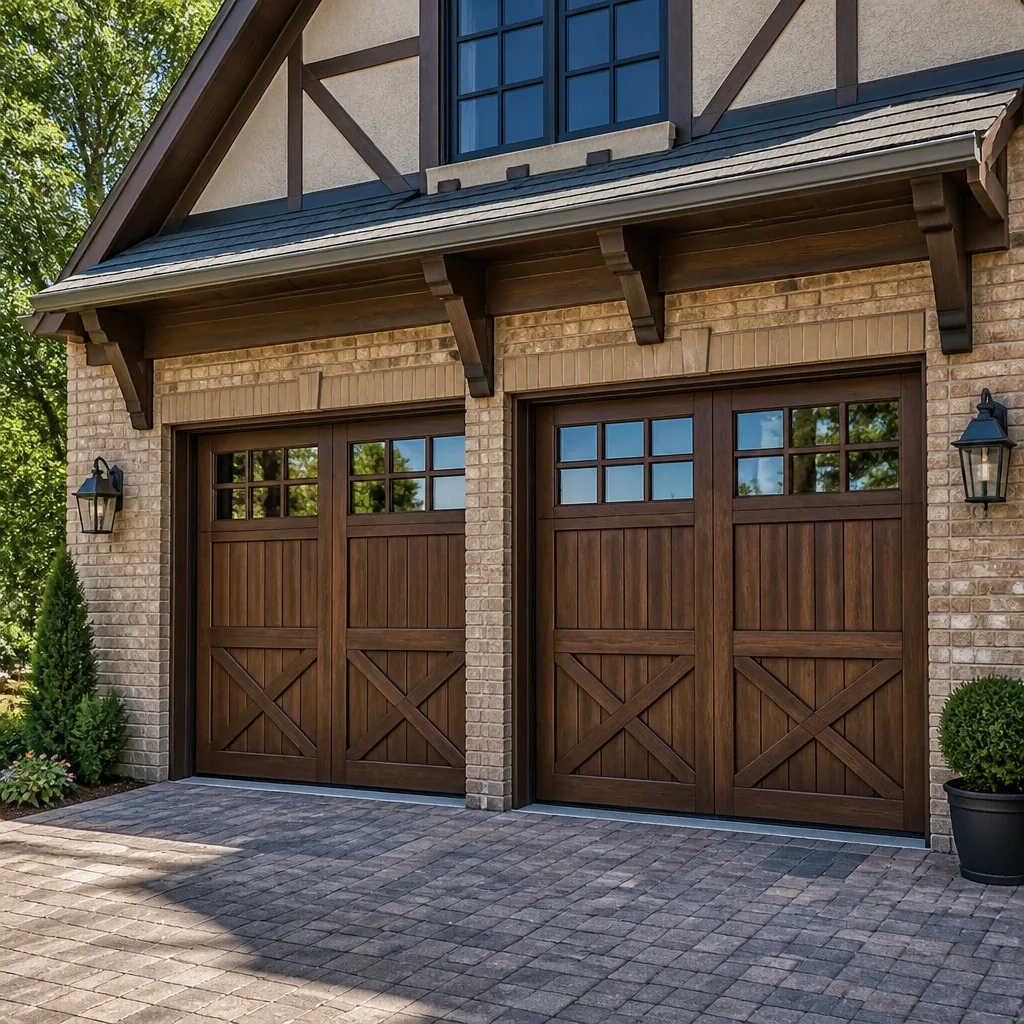 Carriage house
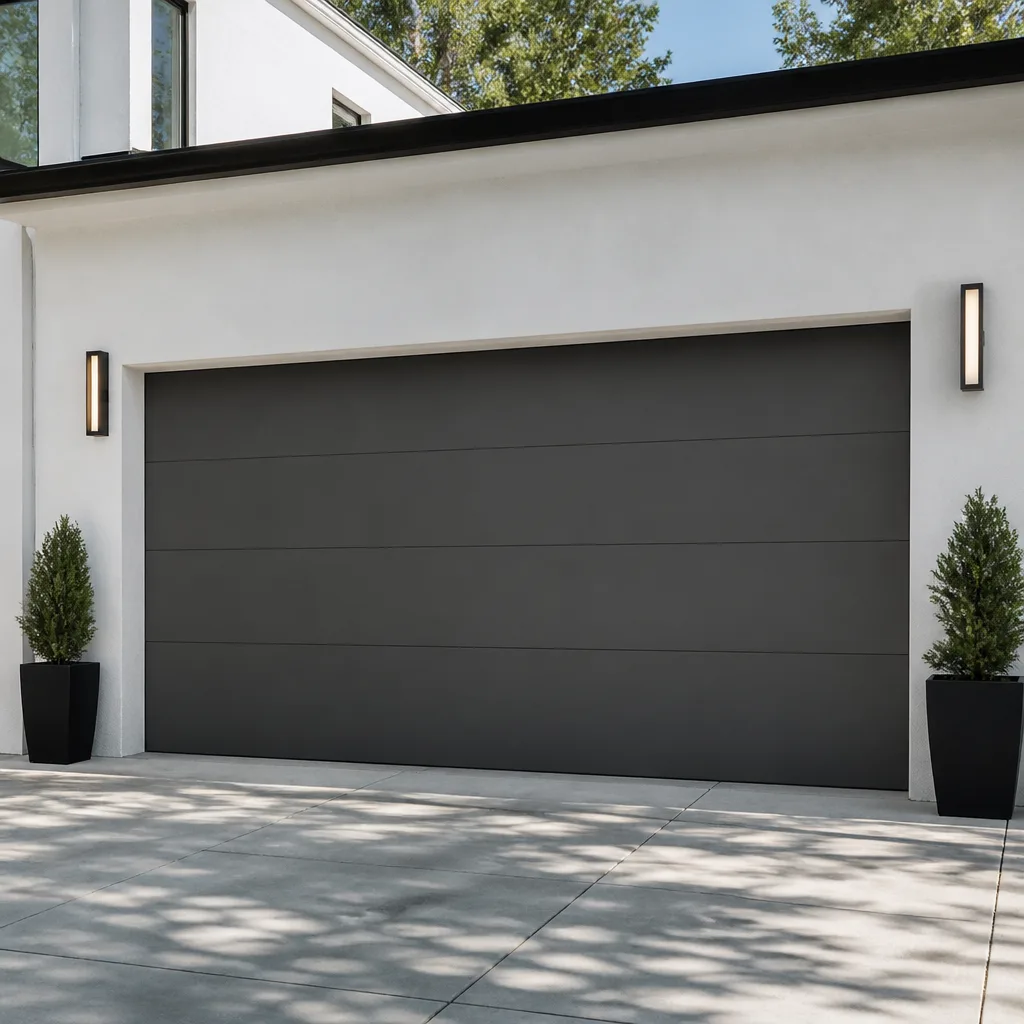 Modern flush
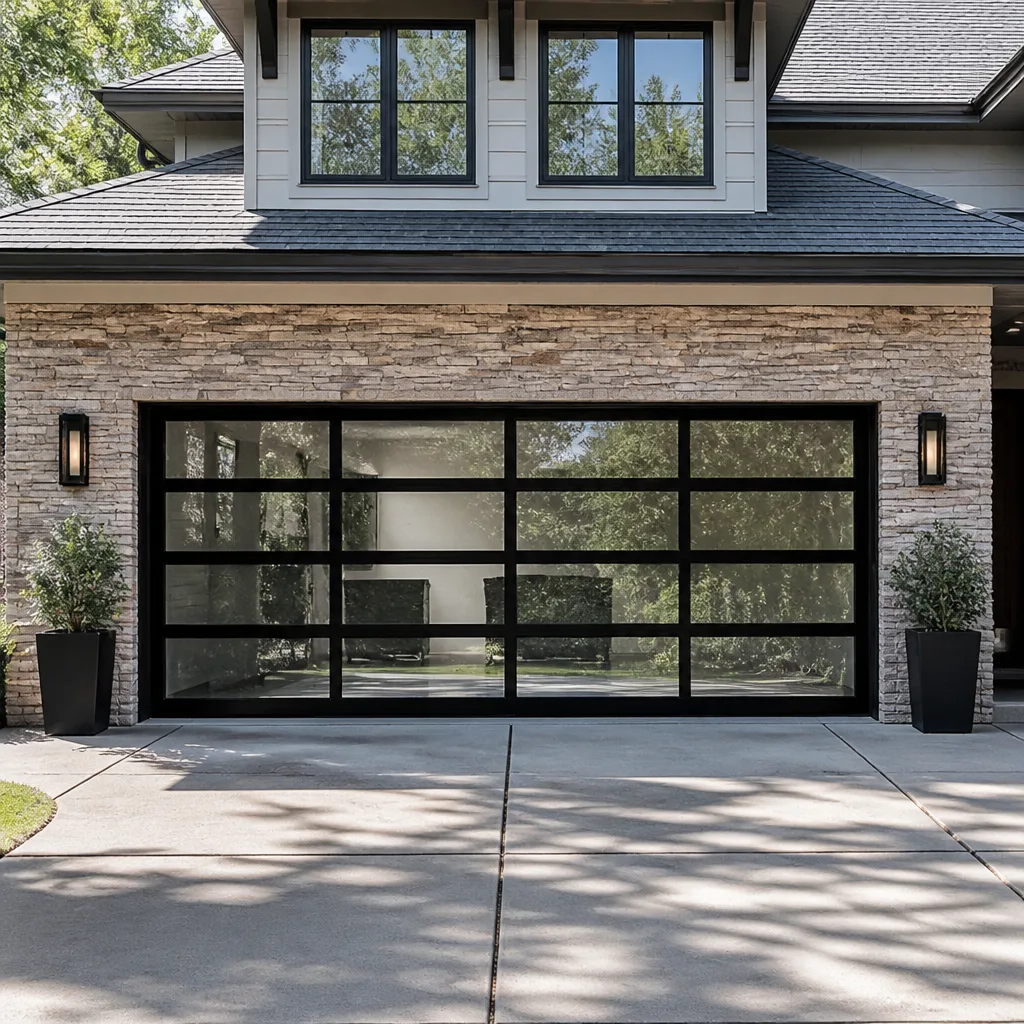 Full-view glass
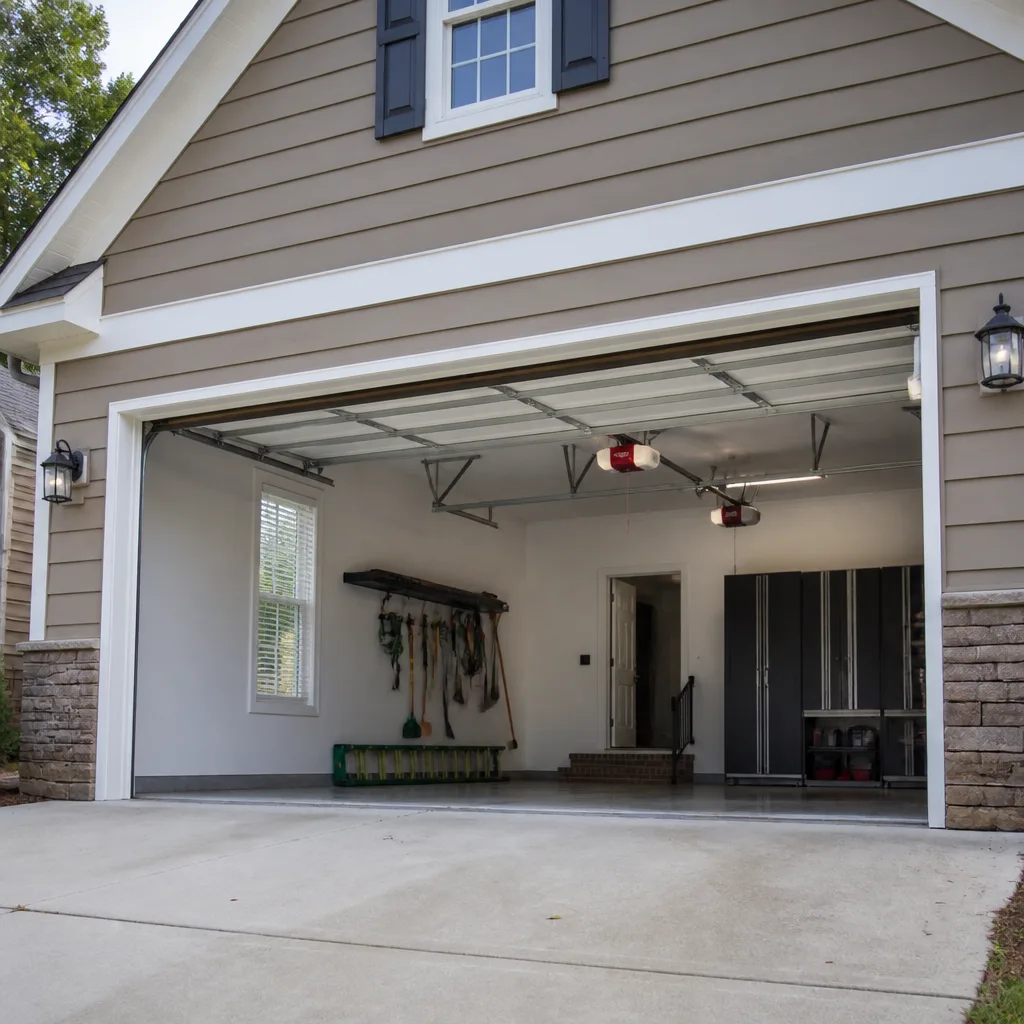 LiftMaster openers
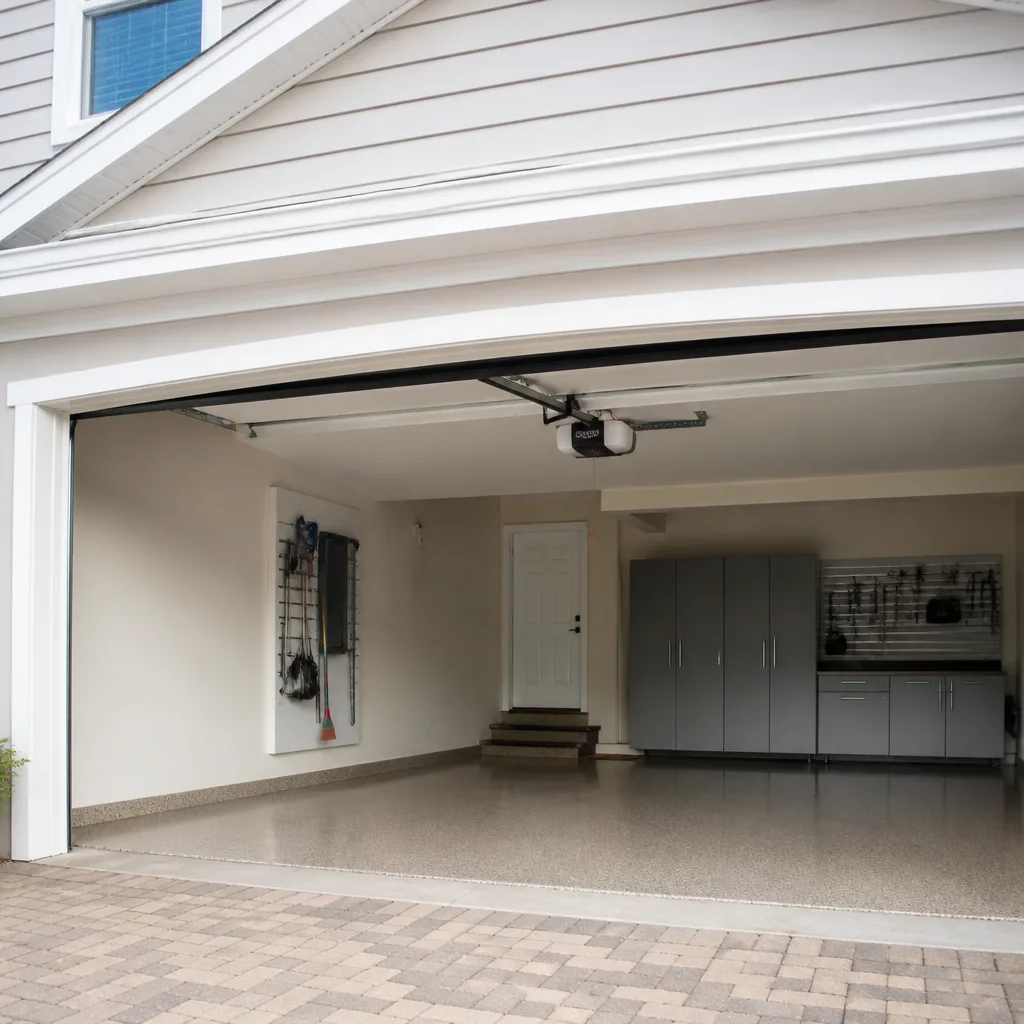 Chamberlain openers
Full 25-point door and opener safety check with every visit - springs, cables, rollers, tracks, and your LiftMaster or Chamberlain opener included
You get a price before we start. It does not change when the pro arrives.
Get your free estimateGarage Door Permits, Codes & Inspections in Norwich, CT: What You Need to Know
Most Norwich homeowners assume a garage door swap is cosmetic. You pick the panels, a crew hangs them, and nobody needs to hear about it. That assumption holds up for some projects and fails badly for others. In Connecticut, replacing a door that separates an attached garage from living space, adding an opener to a door that didn’t have one, or changing the size of the opening can cross the line into permitted work. And here’s the part that catches people: the permit is the homeowner’s responsibility, not the installer’s. This guide walks through the two-question test that tells you whether your Norwich project needs a permit, the fire-rating rule that governs attached garages, how the city’s building department process actually works, and what an inspector looks at when the job is done.
Quick Answer
A garage door replacement in Norwich, CT generally needs a building permit when the project changes the door’s size, adds or replaces an electric opener, alters the opening’s structure, or affects a door between an attached garage and the house. A same-size swap of a non-fire-rated door with no new electrical work often qualifies as ordinary repair, but the Norwich building department is the only authority that can confirm your specific job. Ask before you order the door, not after.
Styles & brands we work with
- Raised-panel steel
- Carriage house
- Modern flush
- Full-view glass
- LiftMaster openers
- Chamberlain openers
Table of Contents
- The Two-Question Test for Norwich Homeowners
- When a Door Replacement Becomes a Structural Alteration
- The Fire-Rated Door Rule for Attached Garages
- How to File a Garage Door Permit in Norwich
- Why Unpermitted Garage Work Surfaces at Resale
- What a Code-Compliant Installation Inspection Actually Checks
- Norwich Housing Stock and What It Means for Your Door
The Two-Question Test for Norwich Homeowners
Before you call a permit office or an installer, answer two questions. They take about five minutes and they sort almost every garage door project into “probably fine” and “probably needs a permit.”
Question one: does the project change anything about the opening itself? Widening it, raising the header, changing the track configuration, replacing the framing around it. Anything that touches the structure of the wall and not just the door hanging in it pushes the job toward a building permit.
Question two: does the project involve electrical work or a fire-rated assembly? A new opener means a new circuit, a new outlet, or new low-voltage wiring between the wall button and the motor. A door between an attached garage and the living space is a fire separation assembly. Both of those sit squarely in code territory.
If the honest answer to both is no, you’re likely in repair or like-for-like replacement territory. If either answer is yes, call the city.
Two more signals that should make you pick up the phone:
- Your project includes a new opener on a door that had none, or a switch from a manual door to an automatic one.
- The new door weighs meaningfully more than the old one, which can mean new springs, new reinforcement, and sometimes new track anchoring.
The cost of asking is a phone call. The cost of guessing wrong shows up years later, and that’s the theme running through every section of this guide. In our experience, most homeowners who get burned aren’t trying to skip anything. They just never knew the question applied to them.
When a Door Replacement Becomes a Structural Alteration
Connecticut’s State Building Code follows the model codes most of the country uses, and the relevant idea is the word “alteration.” Swapping a door section, panel, spring, cable, roller, or opener is repair. Changing the opening’s dimensions or the way the door header and jambs carry load is an alteration. Repair is routine. Alteration draws a permit.
Here’s where Norwich projects most often land in the second bucket:
- Widening the opening to fit a vehicle or trailer that doesn’t clear the old door. That’s a header change and a framing change, and it’s a permit.
- Raising the opening height for a lifted truck or a taller camper. Same story. What looks like a door upgrade is a structural modification.
- Converting a single door into a double door, or the reverse, when the wall assembly changes to accommodate it.
- Replacing a door and opener set where the new unit is a different type entirely (manual to automatic, or a torsion-to-extension conversion involving new anchoring points).
What usually stays in the repair column: a same-size door replacement, a spring or cable replacement, opener repair or a like-for-like opener swap, track and roller service, and panel replacement on a sectional door.
That last one is worth a beat. A like-for-like opener swap on an existing circuit is ordinarily repair. The same swap done as part of a wider modification, or with new wiring run from the panel, can read differently to the person reviewing your application. If your project lives near the edge, describe it precisely when you call the Norwich building department. The reviewer will tell you which side they put it on. For any repair-side work, our team handles garage door repair and can tell you during the estimate whether your project looks like repair or alteration.
The Fire-Rated Door Rule for Attached Garages
This is the part of garage door code that surprises Norwich homeowners the most, and it has nothing to do with the big door on the street side. It’s about the small door between the garage and the house.
When a garage is attached to a dwelling, the wall, ceiling, and doors separating the garage from the living space are treated as a fire separation. The code concept to know is the fire rating of that separation assembly, and the door between the house and the garage is part of it. In most attached residential garages, a door with a limited fire rating (commonly described in terms of a 20-minute rating, though your local reviewer has the final word on what your house needs) is required, and it must be self-closing and self-latching so it can’t be propped open.
Why this matters at the moment you’re choosing a replacement:
- A standard hollow-core interior door is not a fire-rated assembly. If a previous owner installed one, a replacement is the moment to correct it.
- The label matters. Fire-rated doors carry labeling, and inspectors look for it. A door that was rated but whose label has been painted over can create a question at inspection.
- Hardware counts. Self-closing hinges or a spring hinge and a latch that engages on its own are part of the assembly, not accessories.
The distinction that trips people up: the big overhead door on the outside of the garage is generally not the fire-rated piece. The passage door is. If you’re replacing both at once, keep the two projects mentally separate when you talk to the city, because they’re reviewed differently. If your passage door is missing its rating or its self-closing hardware, that’s a code issue regardless of whether you’re touching the overhead door at all.
For sectional door replacement work on the overhead side, brands like Clopay and Amarr and Wayne Dalton all publish the specification sheets your reviewer will want. If you’re not sure what’s currently installed, our team identifies existing systems during an estimate. For overhead door replacement in Norwich, being able to hand the city the manufacturer’s spec sheet makes the review go faster.
How to File a Garage Door Permit in Norwich
The permit application goes to the City of Norwich building department, which is the office that reviews residential building permits for properties inside city limits. You can call them with a project description before you submit anything, and that call is worth making. Describe the project in plain terms: what’s being replaced, whether the size changes, whether electrical work is involved, and whether the passage door is being touched.
A typical path through a garage door permit looks like this:
- Confirm the scope by phone. Ask the building department whether your specific project needs a permit. Write down who you spoke with and when. That note is useful later.
- Gather the paperwork. Expect to provide the property address, a description of the work, a drawing or manufacturer’s specification showing the new door or opener, and the contractor’s registration information if a contractor is doing the work.
- Submit the application and pay the fee. Permit fees are set by the city and vary with the valuation of the work. Ask for the current fee schedule rather than estimating.
- Wait for review. Residential permits with a clear scope typically move faster than projects that need plan review, and a garage door replacement with a spec sheet attached is on the simpler end. Timelines depend on the department’s workload, so ask what to expect at submission.
- Do the work, then call for inspection. The permit isn’t the finish line. The inspection is what closes it out.
One point that matters for how you schedule the job: the permit process runs on its own clock, and the door is measured and ordered separately. That’s why replacement projects work better planned than rushed. A garage door that’s been hit or is failing gets measured, ordered, and scheduled, and the permit clock runs alongside. Our free measure appointment is the right place to nail down the exact door and opener spec you’ll submit, and you can book that by calling (877) 517-6532. Estimates are free and the price is quoted and agreed before any work starts.
Two practical pieces of paperwork advice: keep the approved permit and the final inspection record with your house documents, and take photographs of the installation while the wall is still open if any framing or wiring is being altered. Photos cost nothing and answer questions later.
Why Unpermitted Garage Work Surfaces at Resale
Connecticut residential sales run on a property condition disclosure report, commonly referenced as Form R-2. The form asks the seller to disclose known problems and known conditions about the property, including work done without required permits. That single line on a disclosure form is where skipped garage door permits come home to roost.
What happens in practice when a buyer’s inspector finds a garage door or opener that was installed without a permit:
- The buyer’s attorney requests documentation. If there is none, the conversation shifts to remediation and to who pays for it.
- A municipal inspection can be requested to establish whether the work is code-compliant. If it isn’t, the seller is looking at correction on a compressed timeline.
- Closing dates slip. A correction that would have been routine before listing becomes urgent during attorney review.
- Price negotiations reopen. A buyer who finds unpermitted work tends to look harder at everything else in the file.
The disclosure obligation is the seller’s, and the honest answer on the form is the safe one. What most sellers don’t realize is that the underlying exposure belongs to whoever owned the house when the work was done. If you’re the current owner and an unpermitted garage door project sits in your past, the cleanest move is to talk to the Norwich building department about how to bring it into compliance before you list. In many cases that means an inspection of existing work, and sometimes a permit for the work already done. Both are cheaper than a stalled closing.
There’s a quieter version of the same problem. A homeowner replaces an opener with a modern LiftMaster or Chamberlain unit, wires it in, and never thinks about it again. Nobody inspects the wiring. The installation is fine. Years later, a buyer’s inspector asks about the outlet and the circuit, and there’s no documentation of anything. Not every such question becomes a problem, but the documented version is always easier to answer.
What a Code-Compliant Installation Inspection Actually Checks
The inspection is not a rubber stamp, and it’s not a test of whether the installer did tidy work. It’s a check on the specific safety items the code cares about. Having sat through these conversations with inspectors, we can tell you the three things that come up over and over.
One: the safety reverse and the photo-eye system. Every automatic garage door opener is required to have a means of detecting an obstruction and reversing. A door that closes on an object without reversing fails. So does an opener with the photo-eye sensors mounted too high, aimed wrong, or bypassed. Inspectors test this directly.
Two: the fire separation between garage and living space. The passage door’s rating, its label, and its self-closing and self-latching hardware get looked at. So does the integrity of the wall and ceiling assembly if any of it was opened during the work.
Three: the structural anchoring and the door’s balance. A torsion or extension system with the wrong springs, or a track that isn’t anchored to sound framing, is a code question and a safety question. A door that doesn’t hold position when you let go of it halfway up fails the balance check and signals a spring problem.
What inspectors typically don’t do: grade the aesthetics, comment on the panel style, or test whether the opener connects to your smart-home app. Those are your preferences, not code items.
One safety note that belongs in every conversation about doors and openers. The springs and cables on a garage door are under extreme tension, and the forces involved can cause serious injury in an instant. Never attempt to adjust, remove, or replace torsion springs, extension springs, or the cables attached to them. That work belongs to a trained technician with the right tooling. Our team handles spring and cable work as a routine part of what we do; you can see that scope on our garage door spring repair page. If you’re hearing a loud bang from the garage or the door won’t lift, don’t test anything by hand. Call and describe it. Fast dispatch runs 7am to 7pm, and estimates are free.
Norwich Housing Stock and What It Means for Your Door
Norwich’s housing is not one thing. The city has a mix of older homes with deep garages, mid-century construction with shallower bays, and subdivisions on the outer edges with two-car attached garages. That mix matters for permits more than you’d expect, because the age and construction of the house determines how much of the garage was built to current code and how much has been quietly modified over the years.
Common patterns we run into across Norwich:
- Attached garages where the passage door has been replaced over the decades with a standard interior door. The fire rating is gone, and nobody’s mentioned it.
- Older openings that were widened for a longer vehicle. The frame around the opening has been modified, but no permit record exists.
- Openers installed on doors that were never designed for an automatic unit, with the reinforcement never added.
- Doors that were replaced at some point with a heavier model, and springs that were never upgraded to carry the new weight. That combination fails the balance check and shortens the life of everything else.
New England weather plays a role too. The freeze-thaw cycle through winter stresses door hardware, seals, and the concrete around the opening. Doors that get exposed to icing and thawing repeatedly can shift on their tracks, and a door that’s out of alignment wears its springs faster. If you’re replacing a door because the old one is at the end of its life, that’s the right time to sort the permit question out, because the new door has to comply with whatever the current code asks for.
If you want to know which projects are simple and which are permitted, the estimate stage is where it gets sorted. Our technicians have up to 8 years of experience on LiftMaster, Chamberlain, Genie, Clopay, Amarr, Wayne Dalton, Craftsman, and Raynor equipment. They can identify what’s installed now, what a replacement would involve, and what the Norwich reviewer is likely to want to see. That’s the free part, and it’s why we do it before any door gets ordered.
Common Mistakes to Avoid
- Ordering the door before you sort the permit. A door measured, ordered, and delivered to a job that gets flagged as a permitted project puts you in a delay you could have avoided with one phone call. Ask the city first.
- Assuming the installer pulls the permit. In Connecticut residential work, the permit obligation generally sits with the homeowner. Some installers will handle the filing for you, but confirm it in writing rather than assuming.
- Using a standard interior door between garage and house. A hollow-core door with no fire rating and no self-closing hardware fails the fire separation requirement, and it’s one of the more common things an inspector catches. Any replacement in an attached garage needs the rated assembly.
- Replacing an opener without checking the circuit. A new opener draws differently and, on a long run from the panel, may need a new circuit or outlet. Doing electrical work without a permit is a separate code issue from the door itself.
- Skipping the disclosure question at sale. Form R-2 asks about unpermitted work and the answer belongs on the form. An honest disclosure with a correction plan closes more easily than a buyer’s lawyer finding it first.
- Ignoring the balance check after a heavier door is installed. Springs sized for the old door with a new heavier door on them is an unsafe combination. If the door is heavier, the springs get resized and the permit conversation happens at the same time.
- Measuring the opening yourself before you know the permit scope. A rough measure for a like-for-like swap is fine. Widening or raising the opening needs a proper measure and usually a permit, and doing it in the wrong order means the door that arrives fits a frame the code hasn’t cleared.
See the difference
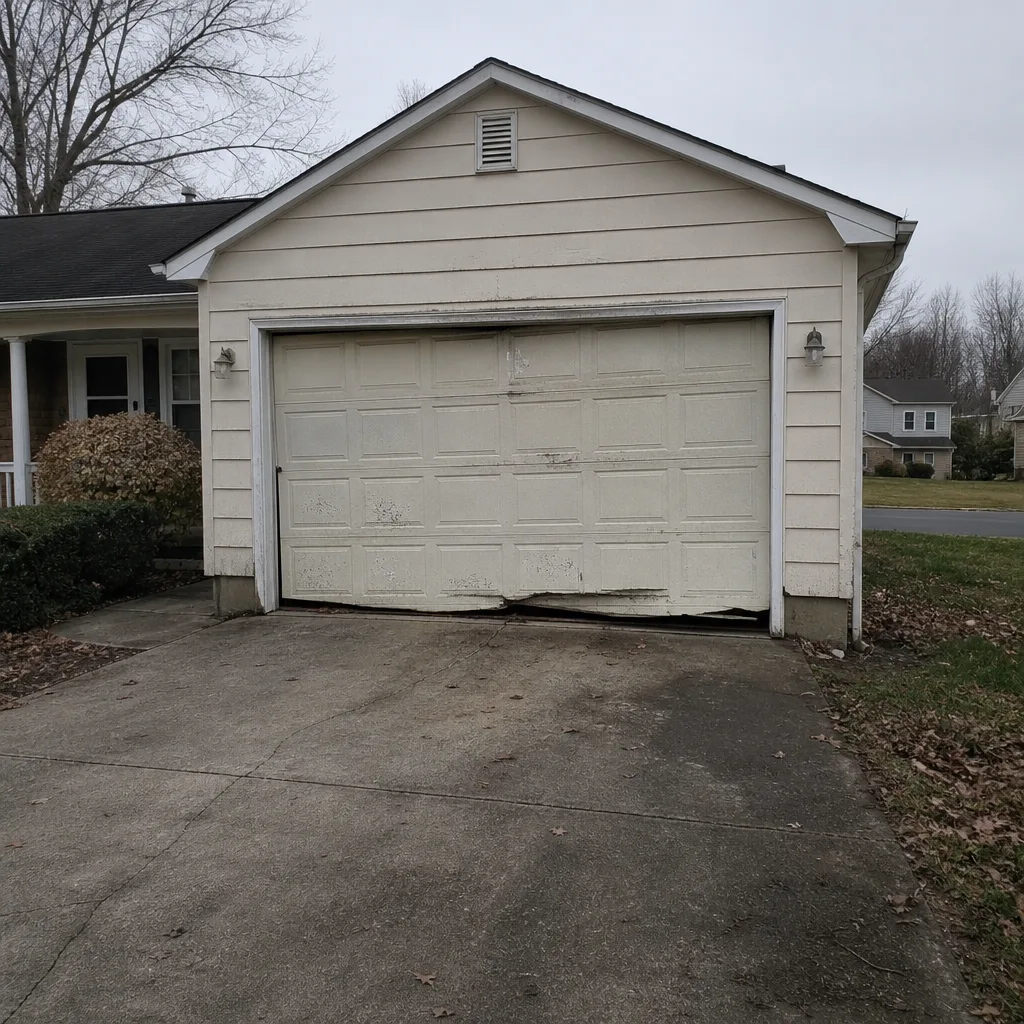 Before
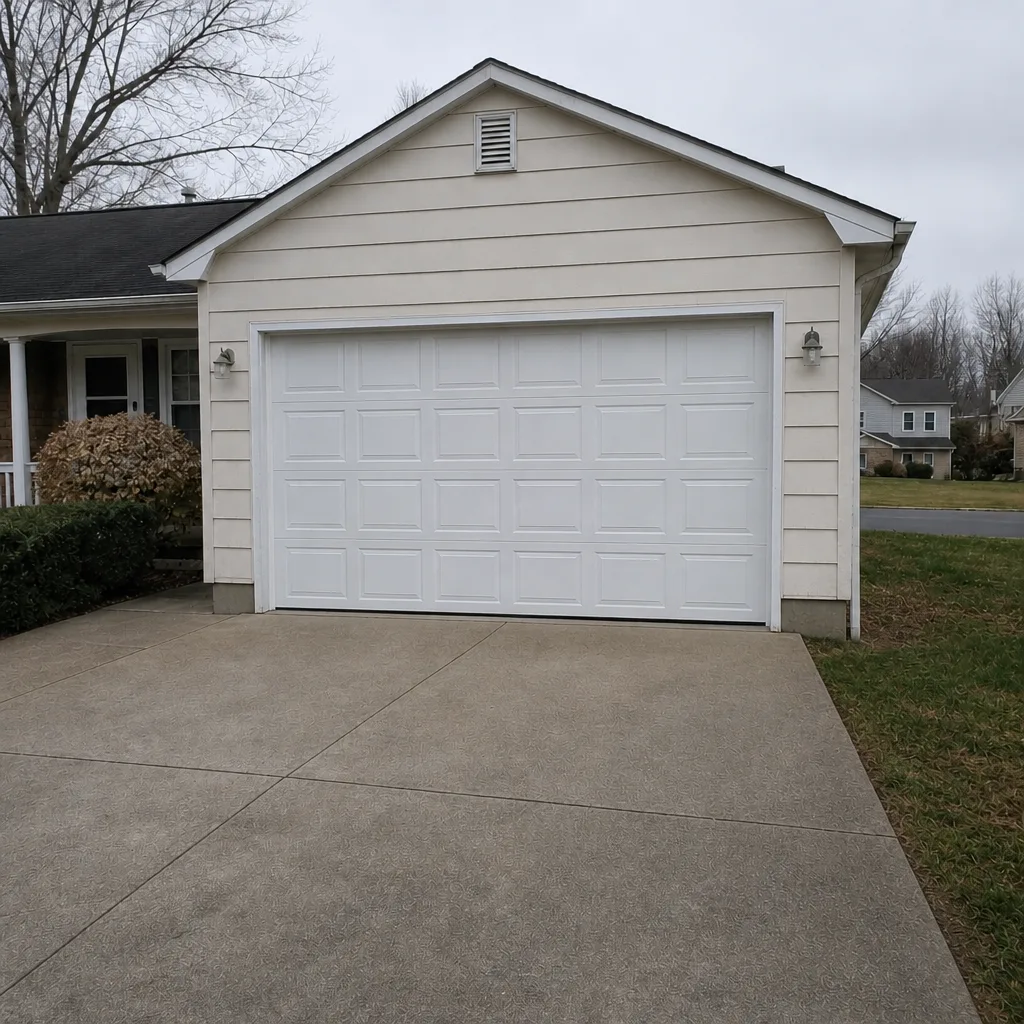 After
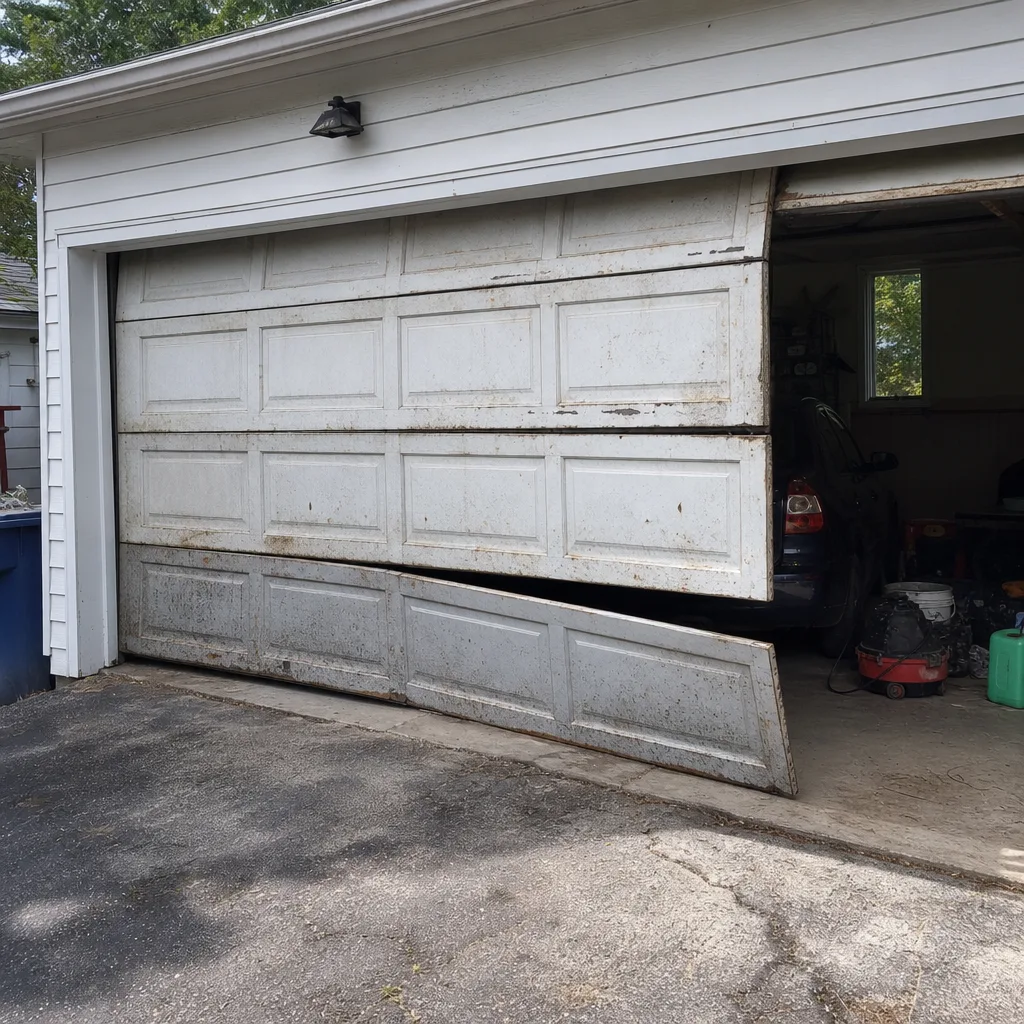 Before
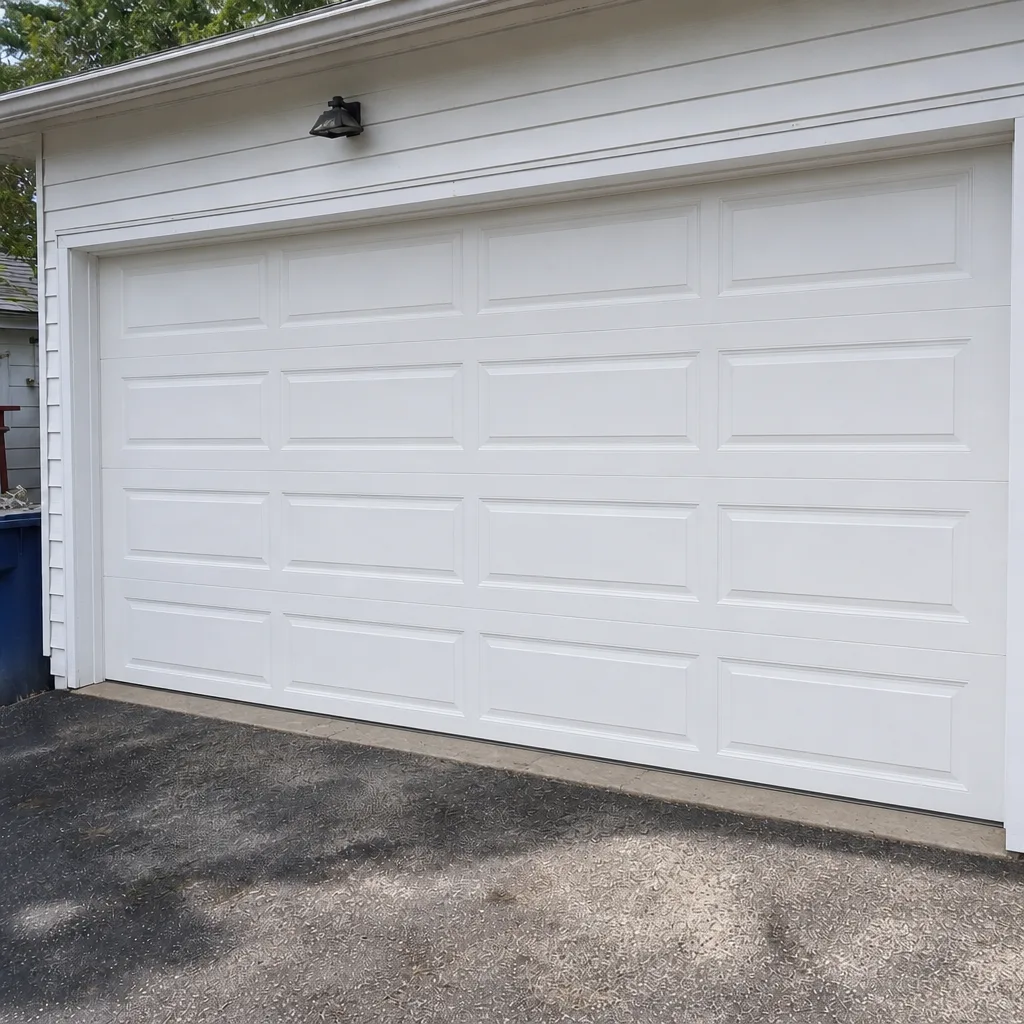 After
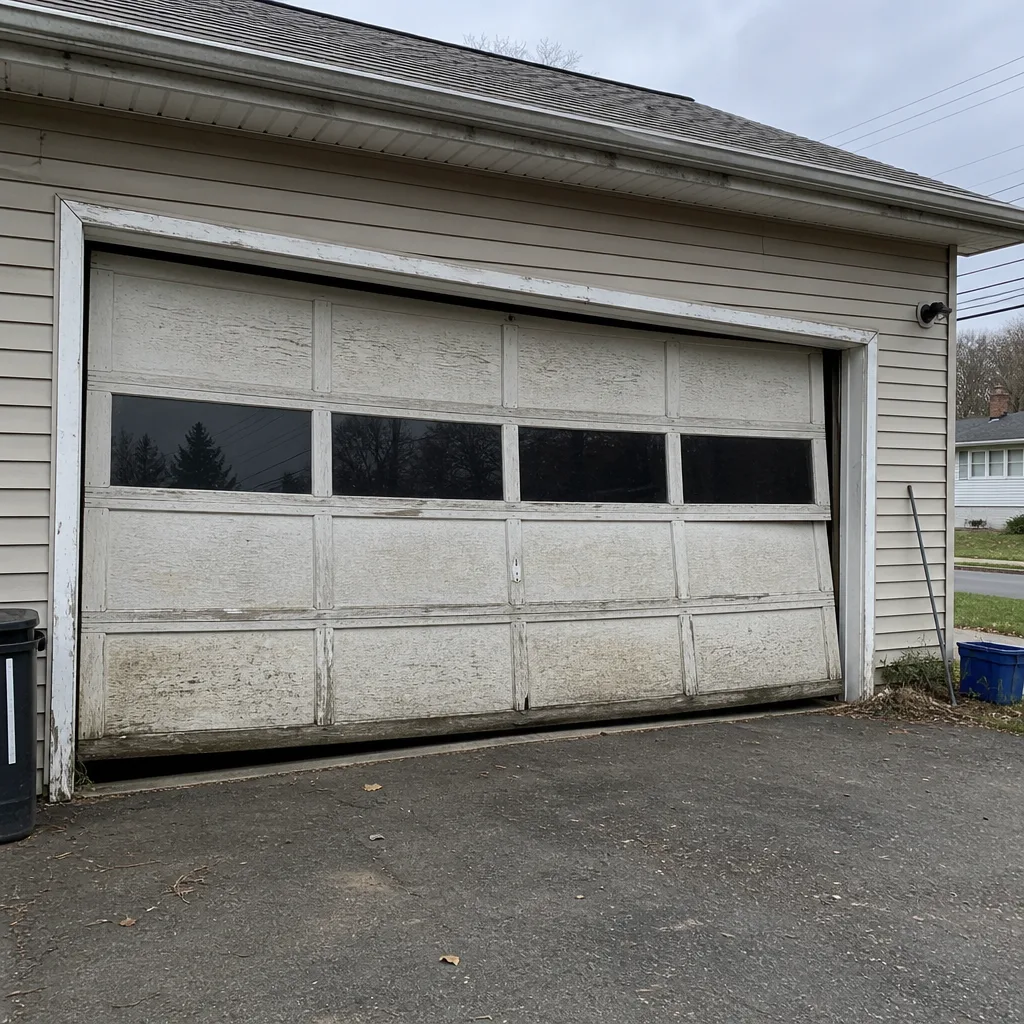 Before
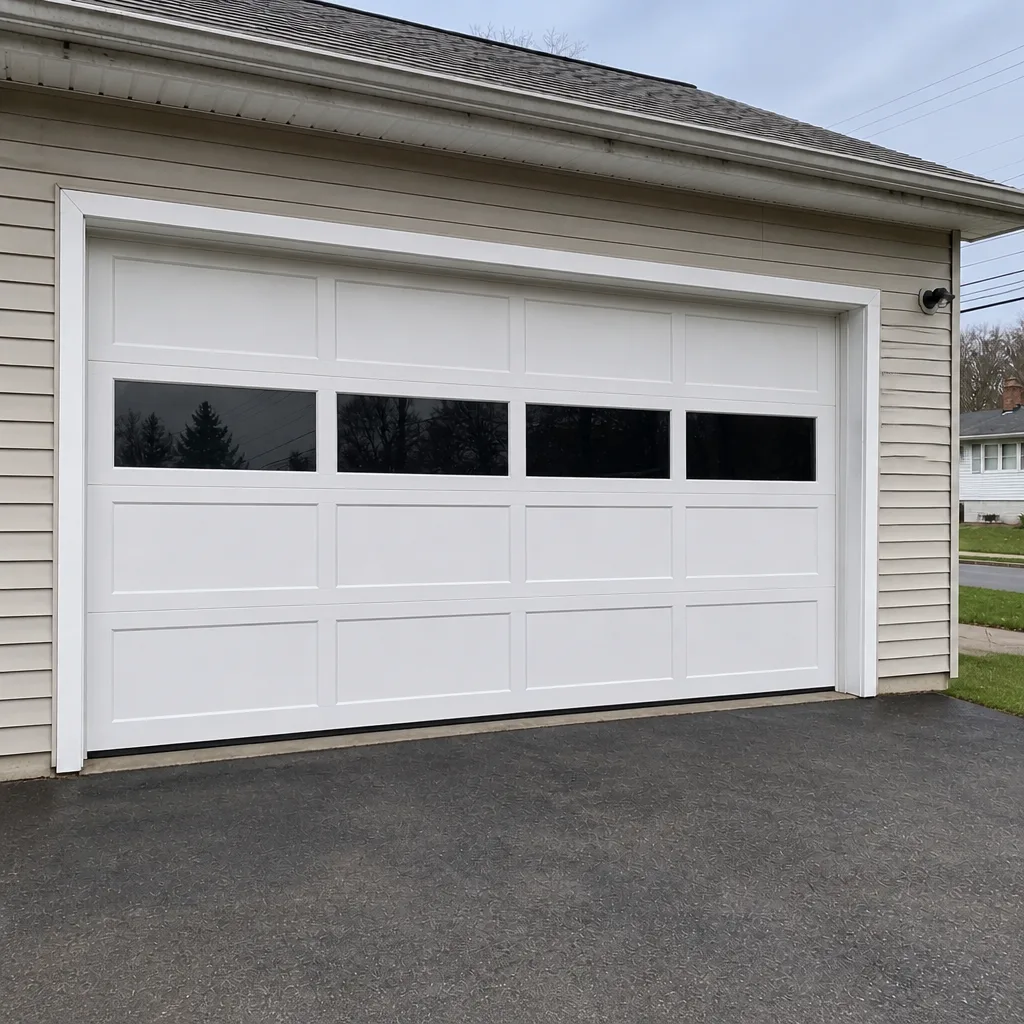 After
When to Call a Professional
Call us when the door won’t open or close, when you hear a bang from the spring system, when the opener runs but the door doesn’t move, or when the safety reverse fails a test. Call when the door is off its tracks and stuck open, because an open garage in Norwich at night is a security problem even if the mechanism itself is trivial. Call when you’re planning a replacement or an opener upgrade and want to nail down what’s installed before you talk to the city. And call if you’ve bought a house where a garage door project was done without a permit and you need to know what you’re looking at. Garage Door Repair Norwich offers free estimates in Norwich. Reach us at (877) 517-6532.
Frequently Asked Questions
It depends on what “replace” means for your project. A like-for-like replacement of a same-size overhead door with no electrical work is usually ordinary repair and doesn’t need a permit. Adding an opener, changing the opening’s dimensions, altering the framing, or touching a fire-rated passage door moves the project into permitted territory. The practical answer: call the Norwich building department, describe the scope, and get their read before you order the door. Call (877) 517-6532 for a free estimate if you want us to identify what’s currently installed so you can describe the project accurately.
An opener that involves new electrical work, a new circuit, or a new outlet is generally a permitted electrical project, and the door it’s mounted on has to pass a safety test either way. A straight replacement of a failed opener with an identical unit on the existing circuit is usually repair. The distinction that matters is wiring, not the motor. When in doubt, ask the city, and have a licensed electrician handle anything beyond swapping a unit on an existing connection.
An attached garage’s boundary wall, ceiling, and doors form a fire separation, and the passage door between garage and living space is part of that assembly, typically requiring a limited fire rating (commonly a 20-minute rating) plus self-closing and self-latching hardware. A standard hollow-core door doesn’t satisfy it. If a previous replacement left you with an ordinary interior door, plan on correcting it with your next project. Our team can take a look during a free estimate; call (877) 517-6532.
Connecticut’s property condition disclosure form (Form R-2) requires sellers to disclose known unpermitted work, and an unpermitted garage project will surface during inspection or attorney review. Buyers routinely ask for documentation, and without it the correction timeline lands on the seller. Bringing the work into compliance with the Norwich building department before listing is the cleaner path. If you don’t know whether past work was permitted, that’s worth checking before you list, not after.
Inspectors focus on the safety reverse and photo-eye system, the fire separation between garage and living space, and the structural anchoring and spring balance of the door. Aesthetics don’t come up. An opener that fails to reverse on an obstruction, a photo-eye that’s misaligned or bypassed, or a door that won’t hold position halfway up will fail. Those same items are exactly what our technicians check before they call an install finished. Call (877) 517-6532 to book a free estimate.
Most residential garage door permits with a clear scope and a manufacturer’s spec sheet attached move through review faster than larger projects needing full plan review, but timelines depend on the department’s current workload. Ask the building department for an expected timeframe when you submit, and call us at (877) 517-6532 in parallel. We schedule the measure and the install around it, and the written estimate you get sets the price before any work begins, so the permit timeline is the only variable left.
The Bottom Line
Most of the permit headache comes from not asking the question early. A garage door replacement in Norwich that stays in the repair column is straightforward: same size, no new opener, no structural change. The moment the project touches the opening’s dimensions, adds electrical work, or involves the fire-rated passage door between an attached garage and the living space, the project is a permit item, and the homeowner carries the obligation. Estimate first, describe the scope to the building department, pull the door and opener specs before you order, and keep the inspection record with your house papers. In our experience, that sequence turns a project that could resurface at a closing into one you never think about again.
If you want to know what’s actually installed on your Norwich garage and what a replacement would involve, give us a call. Our technicians have up to 8 years of experience working on LiftMaster, Chamberlain, Genie, Clopay, Amarr, Wayne Dalton, Craftsman, and Raynor equipment. We’ll identify your system, walk you through what the city will want to see, and leave you with a written estimate. Repair, opener service, spring replacement, and new door installation all run through the same team. For a free estimate, call (877) 517-6532.
Written by the team at Garage Door Repair Norwich.