Last updated November 22, 2026
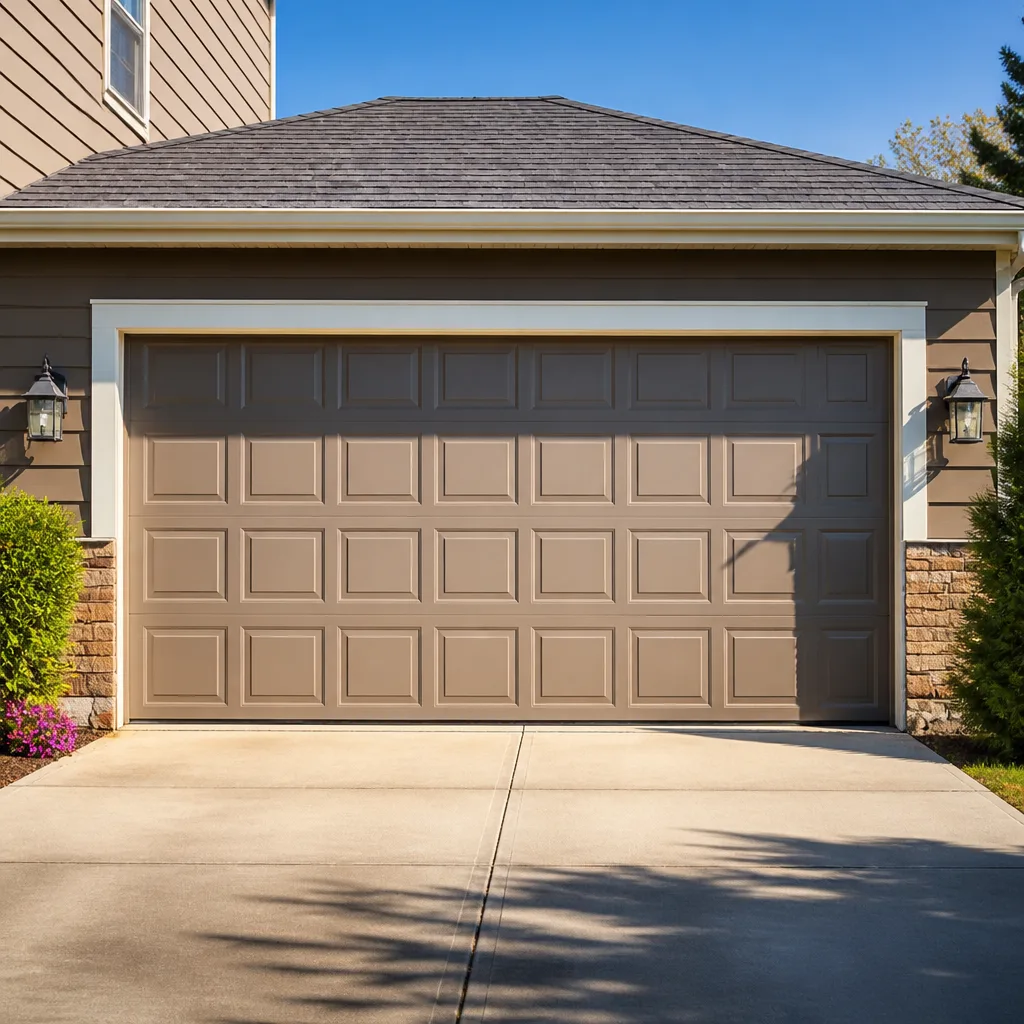 Raised-panel steel
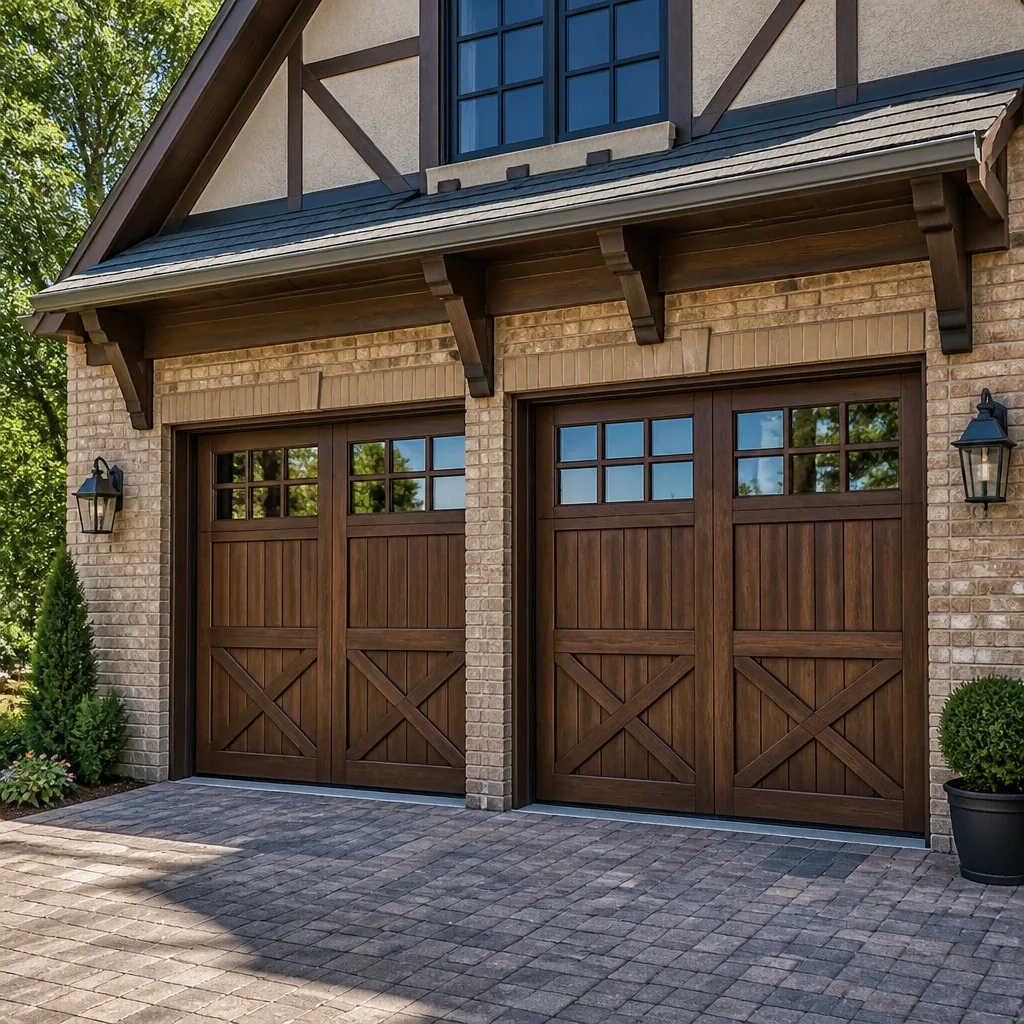 Carriage house
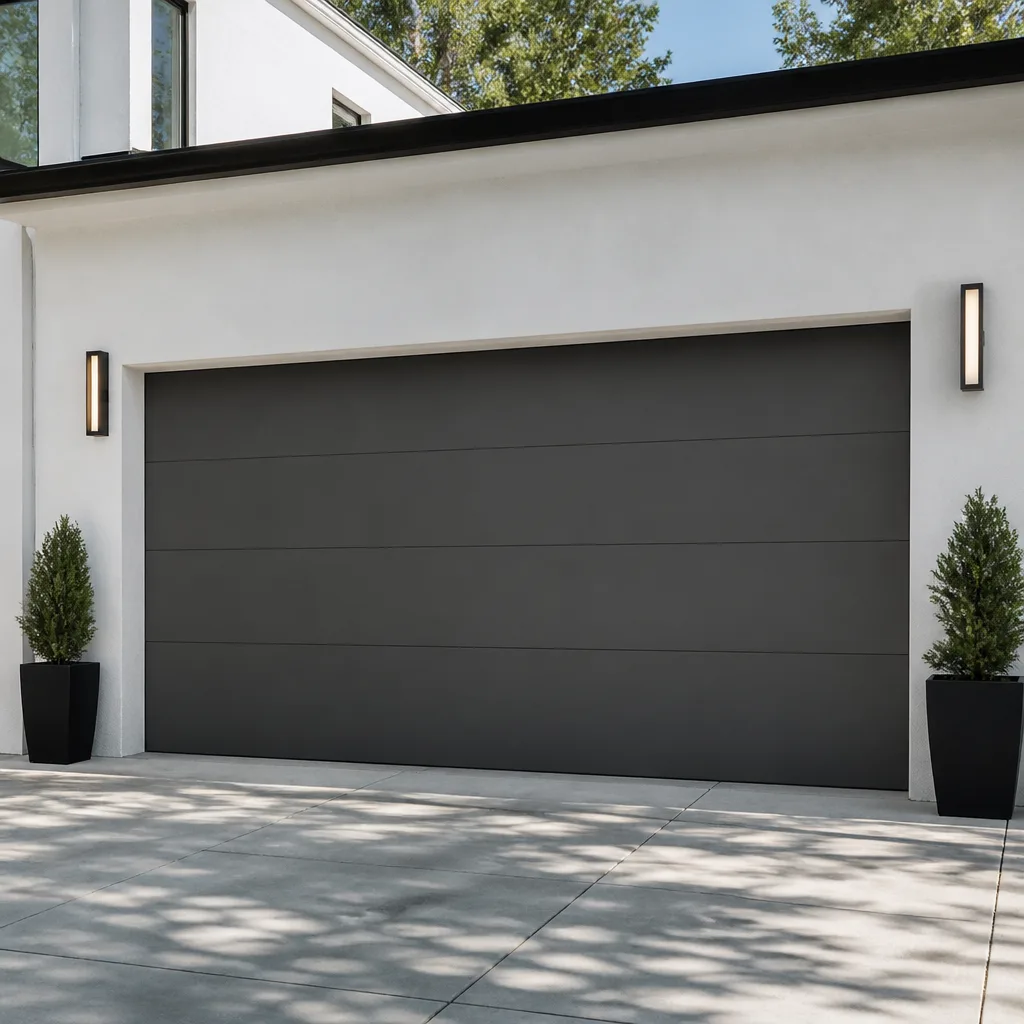 Modern flush
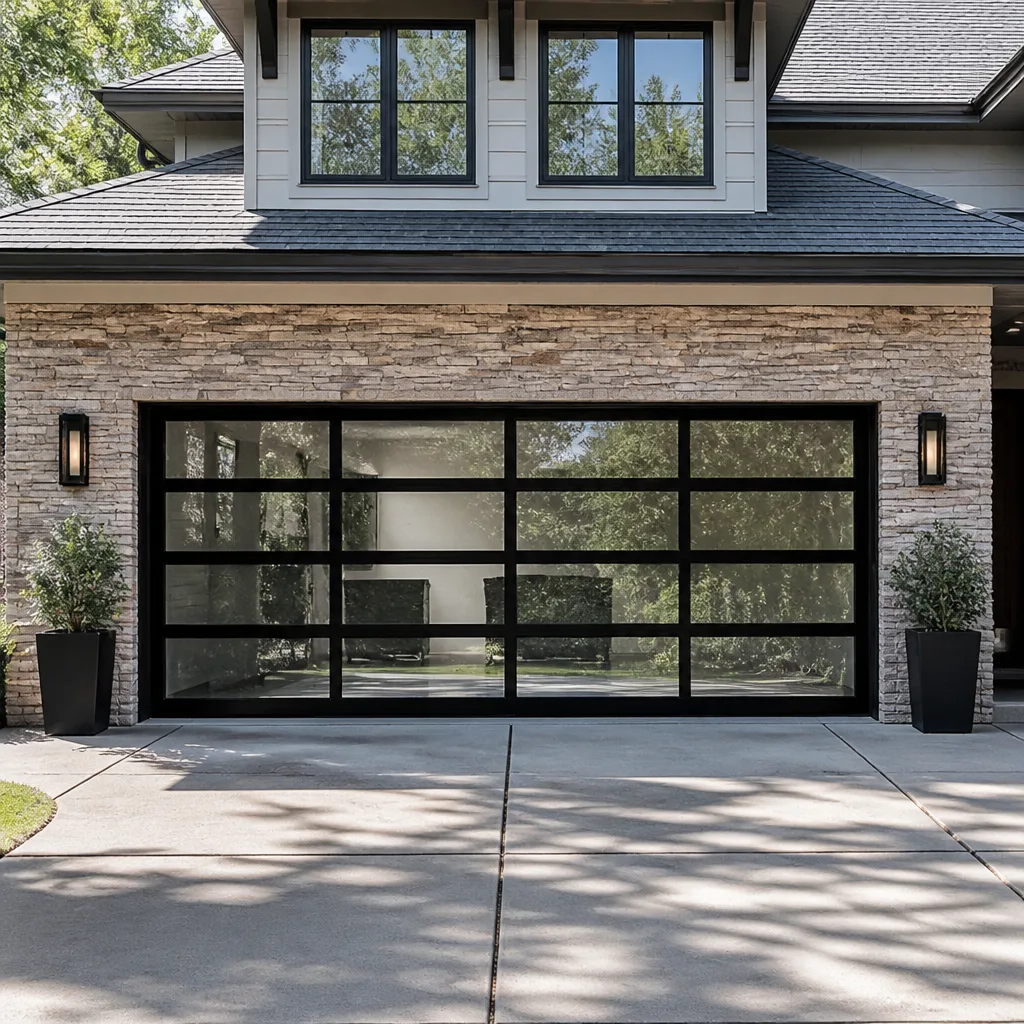 Full-view glass
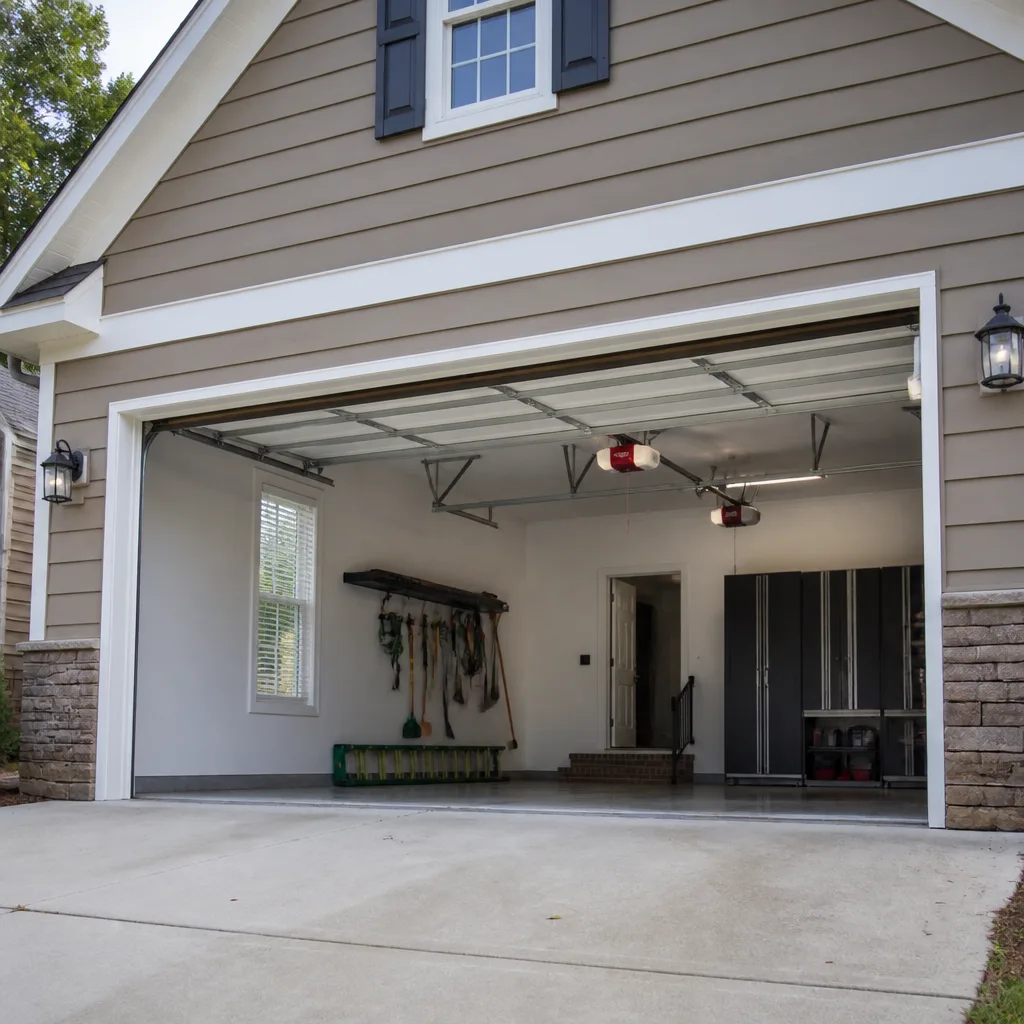 LiftMaster openers
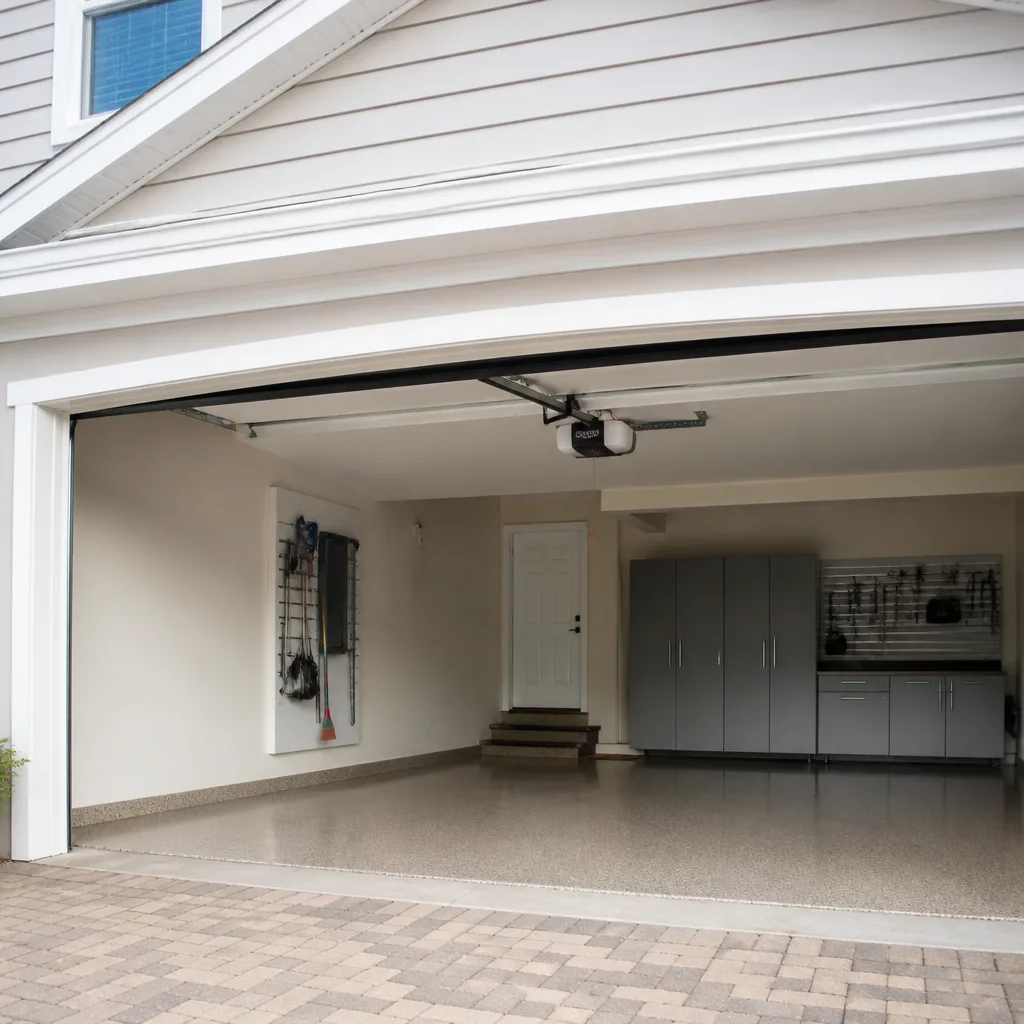 Chamberlain openers
Full 25-point door and opener safety check with every visit - springs, cables, rollers, tracks, and your LiftMaster or Chamberlain opener included
You get a price before we start. It does not change when the pro arrives.
Get your free estimateHow to Hire a Garage Door Contractor in Norwich: A Step-by-Step Guide
If a contractor’s website lists garage doors third or fourth under a menu that also includes carpentry and gutter cleaning, that’s not a specialist – and a torsion spring system deserves better than a generalist with a tutorial and a ladder. The real risk in Norwich isn’t overpaying by twenty dollars. It’s hiring someone who can’t tell a LiftMaster logic board fault from a wall button fault, then watches a repair turn into a replacement because guessing is expensive. This guide gives you the questions that separate true garage door specialists from opportunists, and shows you how to verify a Connecticut contractor before anyone touches your door.
Quick Answer
To hire a garage door contractor in Norwich, verify active Connecticut Home Improvement Contractor (HIC) registration first, then confirm the contractor works on your specific brand rather than treating all doors as the same machine. Ask for a written scope of work that names the parts, the spring type, and the total price before any work starts. The five questions below – registration, brand familiarity, written scope, spring pricing, and labor breakdown – will filter out almost every unqualified bidder.
Styles & brands we work with
- Raised-panel steel
- Carriage house
- Modern flush
- Full-view glass
- LiftMaster openers
- Chamberlain openers
Table of Contents
- Why a Dedicated Garage Door Specialist Beats a General Handyman
- Step 1: Verify Connecticut HIC Registration
- Step 2: Ask the Brand Question
- Step 3: Demand a Written Scope of Work
- Step 4: Recognize the Red Flags in a Garage Door Quote
- Step 5: Compare Quotes by Unbundling Labor and Parts
- The Spring Question: Why This Matters More Than Anything
- What’s Different About Hiring a Garage Door Contractor in Norwich
Why a Dedicated Garage Door Specialist Beats a General Handyman
A garage door is not a door. It’s a balanced mechanical system of springs, cables, drums, tracks, rollers, and a motorized operator, and every part has to be tensioned and aligned against every other part. A handyman can hang an interior door in twenty minutes. That skill tells you nothing about whether he can diagnose a Genie opener that reverses halfway down because the limit switch has drifted, or recognize that a Wayne Dalton TorqueMaster spring needs a different tool than a standard torsion system.
In our experience, generalists tend to repair by substitution. If the door won’t open, replace the opener. If the opener is fine but the door is heavy, replace the door. That approach works on a car you don’t care about. It doesn’t work when the actual failure is a frayed lift cable or a worn drum on one side, and both get reinstalled along with a brand new operator that was never broken.
Specialists diagnose by system, not by guesswork. Brand familiarity matters here because the industry isn’t standardized:
- LiftMaster and Chamberlain share lineage but differ in logic board architecture and Wi-Fi module placement;
- Genie screw drives and belt drives use different motor mounts than chain units;
- Clopay, Amarr, and Wayne Dalton each design panel sections and spring anchors their own way, so replacement panels and spring hardware aren’t interchangeable;
- Craftsman units from different production eras need different wall button and safety sensor replacement parts.
When a technician arrives already familiar with the brand, the first visit is a diagnosis. When they arrive as a generalist, the first visit is an exploration. Those are very different appointments.
Step 1: Verify Connecticut HIC Registration
Connecticut requires home improvement contractors to hold an active Home Improvement Contractor (HIC) registration in order to perform residential work, and you can look up any registration through the state’s online licensing portal. Ask the contractor for their HIC number on the first phone call and check it before you schedule. A contractor who hesitates, gives a vague answer, or says the number is “with the office” is telling you something.
Registration is the floor of vetting, not the ceiling. It confirms the contractor is on the state’s radar, but it doesn’t tell you whether they’ve ever serviced a torsion spring or whether they carry general liability coverage. Ask for the certificate of insurance directly and for the name of the carrier. A legitimate Norwich garage door contractor will email it without argument.
Once registration and insurance check out, move to the questions that actually predict quality:
- Are you registered as a home improvement contractor in Connecticut, and what’s your HIC number?
- Who holds your general liability insurance, and can you send a certificate?
- How many garage doors have you personally serviced in the last month?
- Which brands do you work on most often?
- Will the person at my house be an employee or a subcontracted helper?
That fifth question matters more than it sounds. In some companies, the person who quotes the job is not the person who shows up, and the person who shows up may be a helper not yet trained on your system. If the answer is “someone else will be there,” ask for their name and their experience before you book. A specialist who cares about the result will want you to know who’s coming.
Step 2: Ask the Brand Question
Garage door and opener manufacturers certify specific dealers and installation networks, and those certifications are public. LiftMaster and Clopay both maintain dealer-locator tools on their own websites, and you can search your ZIP code to see which contractors the manufacturer has vetted in your area. If the person quoting your job doesn’t appear in the manufacturer’s dealer listing but claims to be “a certified LiftMaster installer,” you now know something.
Not every legitimate specialist appears in every dealer network, and the absence isn’t automatically a red flag. But the way the contractor answers the brand question tells you a great deal. Listen for whether they:
- Name specific models and describe the diagnostic differences (e.g., how a LiftMaster MyQ module behaves when it loses Wi-Fi);
- Ask what brand of opener you have before quoting a service call;
- Explain which Clopay or Amarr panel series they stock access to vs. which they need to order;
- Mention the specific wall button, safety sensor, or logic board compatibility that comes up with your brand.
A true specialist answers these without a beat. A generalist hedges. Ask specifically: “Have you worked on a Wayne Dalton Quantum opener in the last three months?” If the answer is honest and detailed, you’re talking to the right person. If it’s a shrug and a guess, keep calling.
The brand question also protects you from the most expensive mistake in the trade: quoting a repair on a door you don’t actually know. A spring replacement on an Amarr torsion system uses different hardware than on a Clopay. A technician who’s honest about brand familiarity will either decline the job or call for backup. A technician who nods along may return with a part that doesn’t fit and a new reason to replace the whole door.
Step 3: Demand a Written Scope of Work
A written scope of work is the single best protection against an invoice that climbs once your door is on the ground. Nothing in a garage door job happens out of view – once panels come off, more is revealed, and that is exactly when undisclosed labor becomes “necessary” labor. The scope has to be in writing before the panels come off.
A proper garage door scope of work for a Norwich job should include these elements:
- The specific part numbers or descriptions – not “spring replacement” but “torsion spring, .243 wire gauge, inside diameter 2 inches, 32 inches length, matched pair.” The size matters because springs are matched to door weight and cycles.
- Spring type and cycle rating – whether the spring is standard cycle or high cycle, and the expected cycle count. A cheap spring cuts lifespan and returns you to the same invoice faster.
- Labor line separately – not bundled into the parts total, so you can see what you’re paying for time and what you’re paying for hardware.
- Disposal of old parts – explicitly listed, because hauling springs and panels away is a line item some contractors add after the fact.
- Cable inspection notation – a spring job that doesn’t include a cable check is a future call waiting to happen. If the cables aren’t on the scope, they aren’t covered.
- Any pre-existing condition caveats – if the technician sees a bent track or a worn drum, it goes on the scope before work begins, not after.
A written scope is also your filter for the upsell. If a contractor refuses to put together a detailed scope until they get inside the door, that’s not a diagnosis, it’s an opening bid. A real specialist arrives with a specific scope, item by item, and updates it only when the diagnosis genuinely changes. If that happens, they should tell you the price change in writing before they continue.
Step 4: Recognize the Red Flags in a Garage Door Quote
Some of the worst garage door quotes sound like good news. “Free spring replacement with any service” is the most reliable warning sign in the trade, because a spring is the most expensive single component on a standard door and no one gives one away. That offer usually means the spring being installed is a low-cycle commodity part, that the “service” is inflated to absorb the cost, or that a different problem is being ignored to make the free offer feel like a win.
Here are the other warnings we’d flag if we were standing in a Norwich driveway reading the quote:
- No brand of spring or hardware named. Springs are rated in cycles; if the quote doesn’t say what you’re getting, assume the cheapest.
- Pressure to replace the door on the first visit. Repair-first businesses don’t lead with replacement unless the door genuinely needs it. If the quote goes straight to replacement without diagnosing the mechanism, walk.
- Cash-only, or a “today only” price. Legitimate specialists work on written estimates, not verbal urgency.
- No mention of a cable inspection. A spring job on old cables is an incomplete job, and a contractor who skips the cable check is either untrained or planning a return visit.
- A “diagnostic” fee that vanishes only if you hire them. That’s a soft commitment tactic, not a diagnostic service.
- Offering to work without a written scope. Combine with a refusal to email an estimate and you have a strong reason to call someone else.
None of these red flags is proof by itself. One or two together is a pattern, and the pattern is exactly what you want to catch before the door comes down. Trust the written quote, not the phone manner.
Step 5: Compare Quotes by Unbundling Labor and Parts
Garage door quotes can’t be compared at face value when they bundle parts and labor into one number. One quote at $480 that includes a matched pair of springs, labor, and disposal can be cheaper or more expensive than another at $410 depending on the parts inside. The only honest comparison is by line item.
Ask every contractor you’re speaking to for a breakdown like this.
- Spring cost (per spring) – a matched pair of torsion springs is typically replaced together, so a pair costs roughly double a single spring. Never compare one quote for a pair against one quote for a single spring. Ask each contractor to quote both scenarios.
- Labor line – ask how many hours are estimated and what the hourly rate is. If they quote flat-rate only, ask for the flat rate plus an estimate of the labor time, so you can back out the effective hourly rate.
- Opener parts – if the scope includes a logic board or motor, ask specifically what the part retails for and how much of the quote is installation.
- Disposal and hauling – a small line item that appears in honest quotes and vanishes from padded ones.
- Cable inspection and replacement reserve – a written note of what happens if a cable turns out to be frayed, and what that would add.
When you’ve unbundled the quotes, the numbers stop hiding. A contractor whose bundled price looks fifteen percent higher may actually be charging less for labor and more for a higher-cycle spring. A contractor whose quote looks cheap may be using a low-cycle spring and planning a call back in two years. This comparison is one of the reasons we encourage Norwich homeowners to ask for the breakdown rather than accept a single number. The breakdown is the quote.
The Spring Question: Why This Matters More Than Anything
Torsion and extension springs are what make a two-hundred pound door feel weightless, and they are stored mechanical energy under high tension. Of all the components on a garage door, this is the one that almost never belongs in a homeowner’s hands. A torsion spring adjustment is one of the most dangerous jobs in the trade, it’s one of the clearest signals that a contractor genuinely knows the work, and it’s one of the most common things a generalist miscalculates. If a contractor offers to “just take a look” at a broken spring without proper tools and training, that’s a reason to call someone else.
Why spring work separates specialists from light-duty outfits:
- Wrong-size springs. A spring matched to the wrong door weight will break prematurely, and it will break under load – that’s not a cosmetic error.
- Improper winding. Torsion springs must be wound to a specific number of turns based on door height and spring size. Guessing wrong puts excess load on cables and drums.
- Cable tension. Cables under spring tension carry the door and can snap if they’re not properly sized and routed. A spring job is also a cable inspection.
- Safety testing after install. Every spring job should end with a balance test and a safety-reverse test on the opener. A contractor who leaves without testing is not done.
If your spring has failed, don’t stand under the door and don’t run the opener. Call a professional. We handle this as part of garage door spring repair in Norwich, and it’s the first conversation we have with a homeowner because it determines whether the repair is confined to a spring or opens up the cable and drum assembly underneath.
What’s Different About Hiring a Garage Door Contractor in Norwich
Norwich sits in southeastern Connecticut, which means garage doors here see four full seasons of thermal cycling, plus a coastal-to-inland mix in the surrounding towns. Doors expand and contract with each freeze-thaw cycle, and the tension on a spring changes subtly as the metal of the door and the tracks shift through a snowy winter and a humid summer. That’s not a marketing line – it’s a real driver of spring fatigue and track drift, and it’s why a contractor who has worked in this part of Connecticut for years will diagnose a door differently than someone who learned the trade in a single-climate market.
Housing stock matters too. Norwich has a mix of older homes with manual doors converted to openers at some point, and newer construction with factory-installed systems. Both present the same challenge – a system running on parts from two different eras – and both are exactly the kind of job where brand familiarity pays for itself. A Clopay door with a Chamberlain opener retrofit needs a technician who knows both; a Wayne Dalton door with its original TorqueMaster spring system needs someone who has actually seen one before they arrive.
Permit requirements for garage door work vary, and if your job touches structure or electrical, most cities require a permit. Ask your contractor whether the job needs one and who pulls it – a contractor who wants you to handle permits is telling you something about how they operate.
Finally, be careful with the “one-stop shop” framing. On a Norwich job, the best person to call isn’t the generalist who handles doors as one menu item. It’s the specialist whose entire week is spent on garage doors, openers, and springs. That focus is what protects you from the $200 repair becoming a $900 replacement.
Common Mistakes to Avoid
- Choosing the lowest quote without a written scope. A cheap number with no parts specified is a price, not a quote, and it’s the price most likely to climb after panels come off.
- Assuming a registered contractor is a specialist. HIC registration in Connecticut confirms the contractor is on the state’s list. It doesn’t confirm they know the difference between a Genie belt drive and a chain drive, so treat registration as the minimum, not the answer.
- Comparing a pair of springs to a single spring. Torsion springs are almost always replaced in matched pairs. If one contractor’s quote is half another’s, read the scope – they may be quoting one spring against the other’s two.
- Choosing based on price alone when labor is bundled. Bundled quotes hide the hourly rate. Ask each contractor to break out labor and parts, then compare on equal terms.
- Acquiescing to a “free spring” offer. Free springs come from a lower-cycle replacement part or a padded service bill, and either way you’re paying for a spring you should be choosing consciously.
- Skipping the brand question. A contractor confident about your brand will welcome the question. One who gets defensive is telling you they’d rather not be tested.
- Letting a generalist touch a broken torsion spring. Springs hold enough stored energy to cause serious injury. If the person at your door isn’t clearly experienced with torsion systems, stop and call a specialist.
See the difference
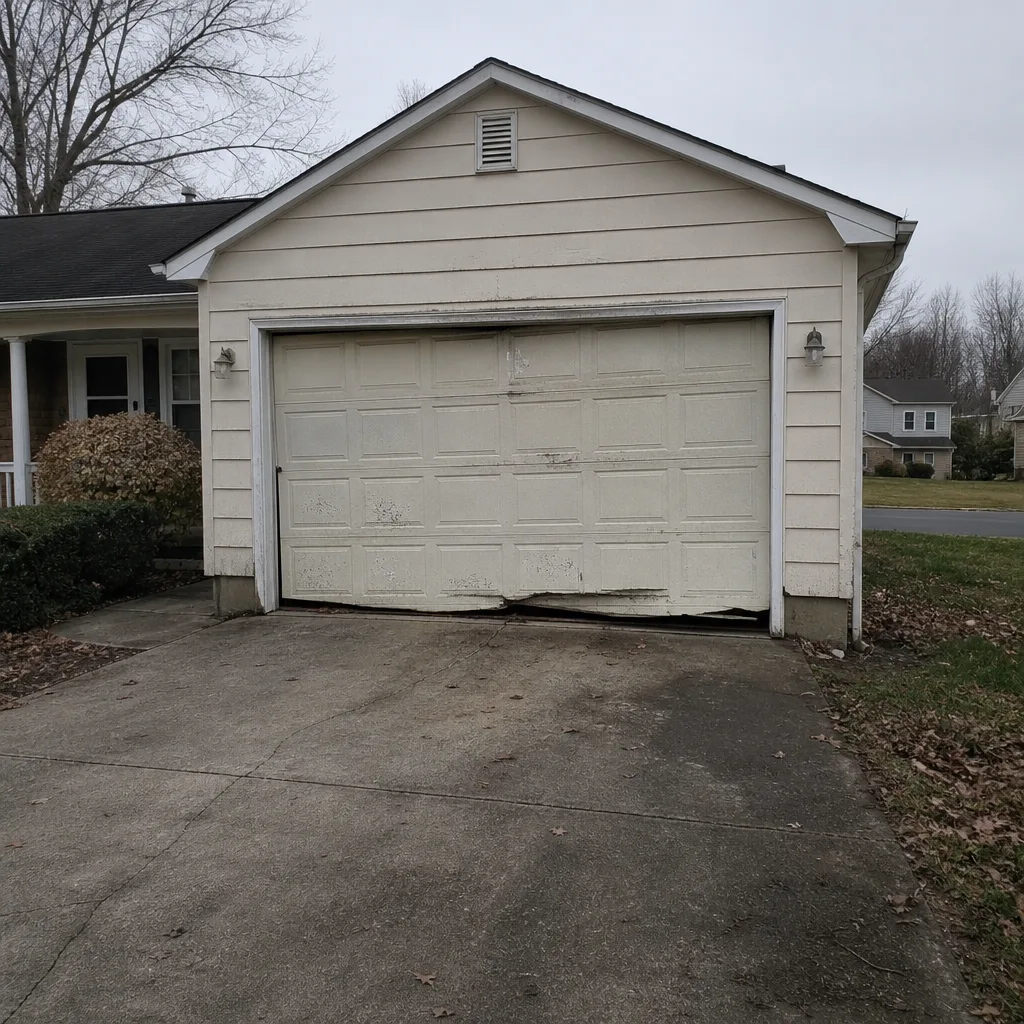 Before
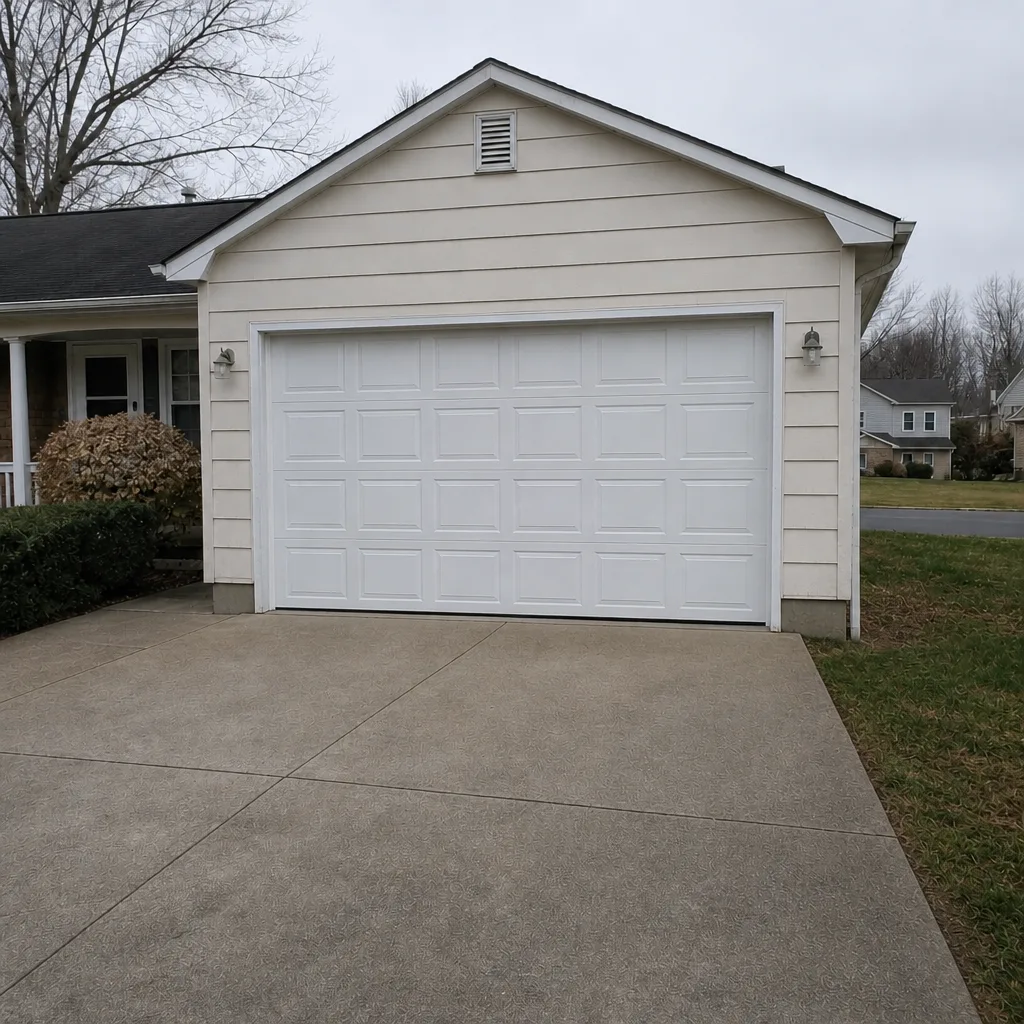 After
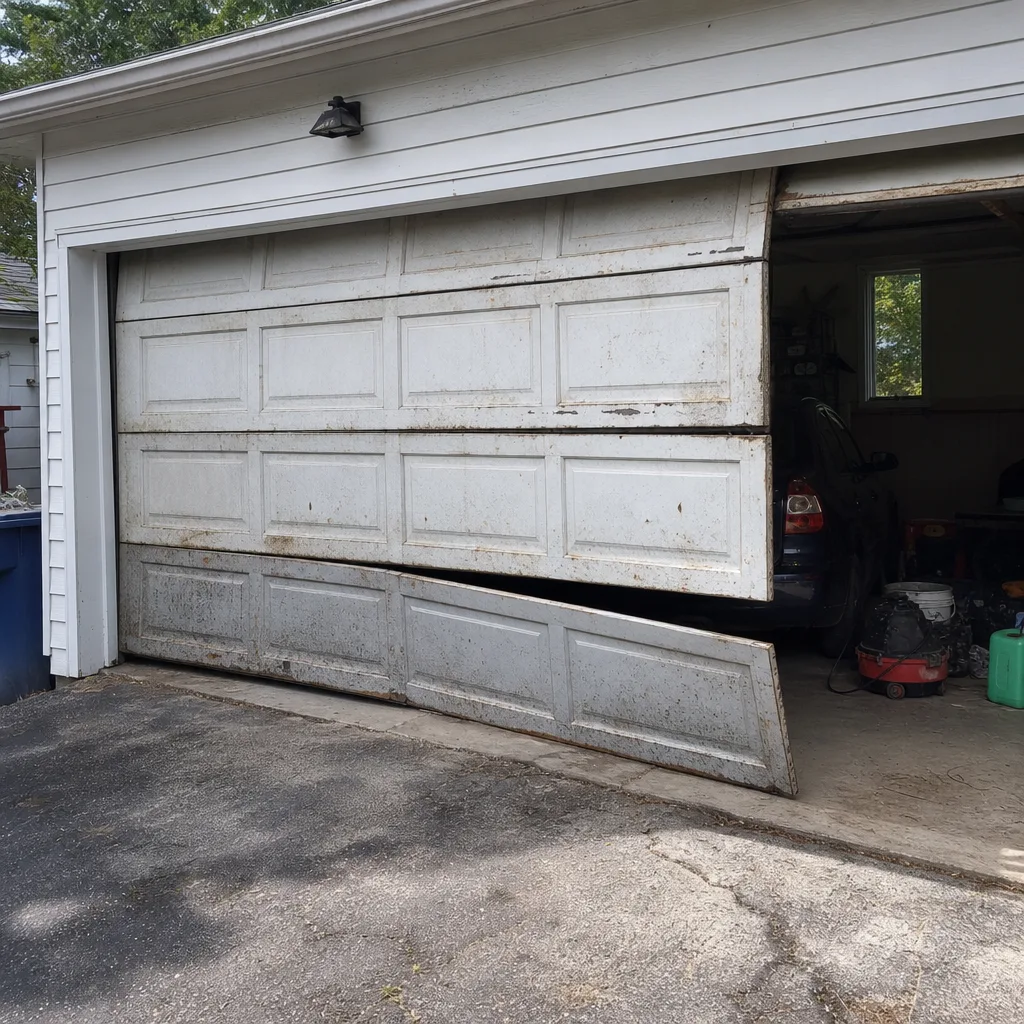 Before
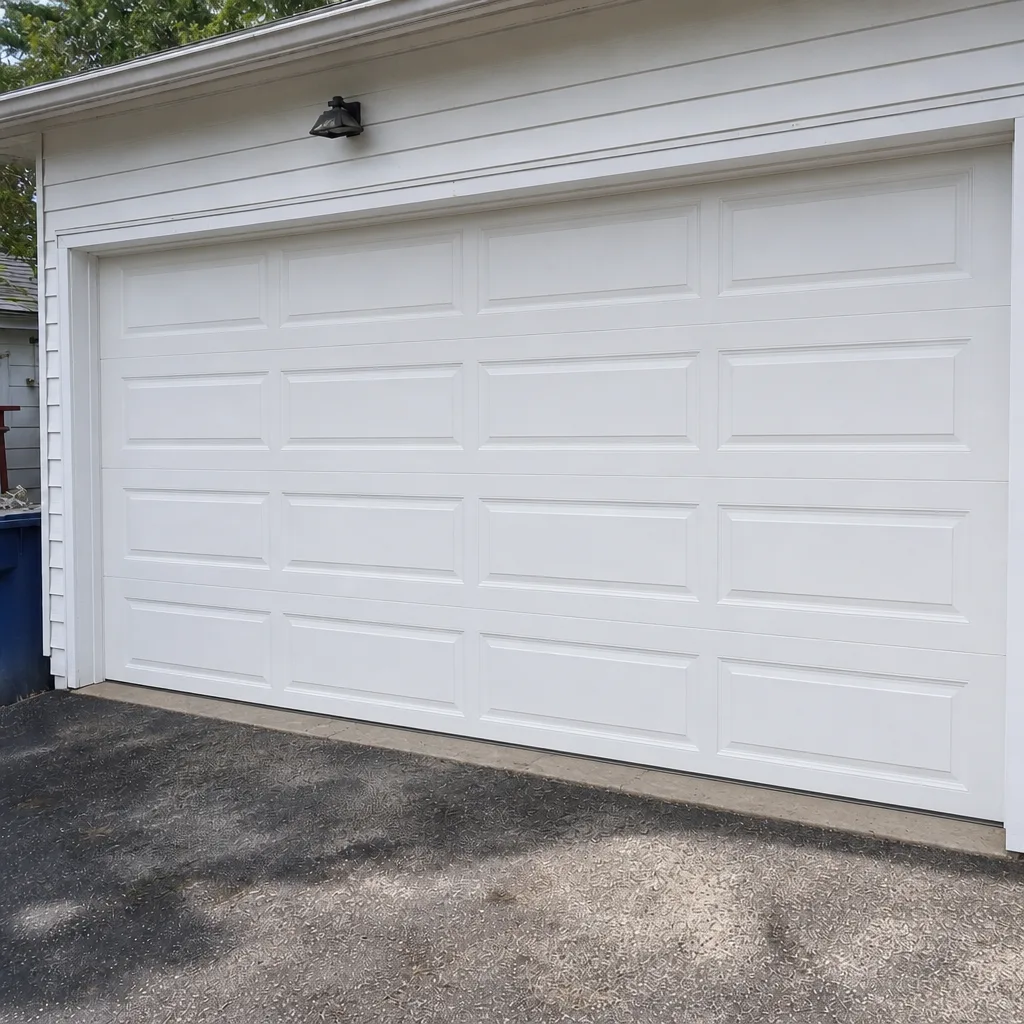 After
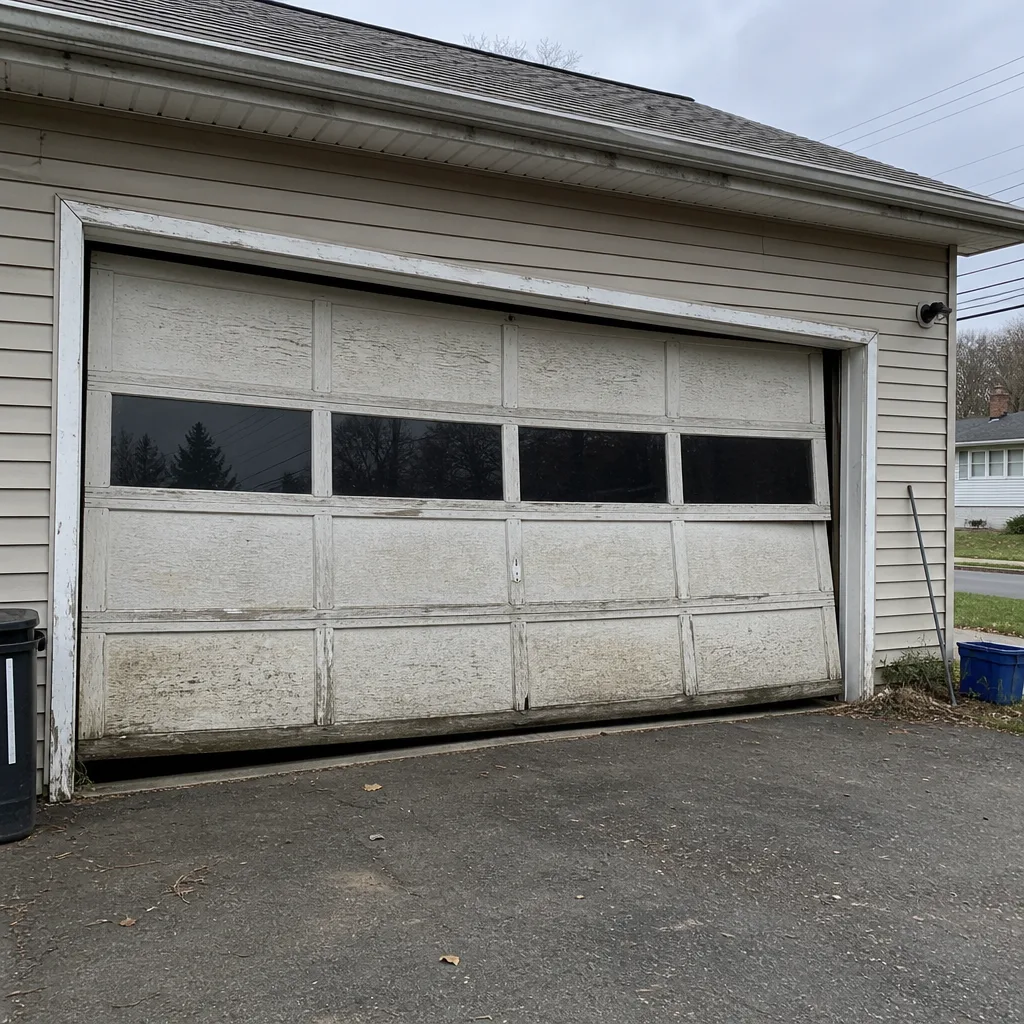 Before
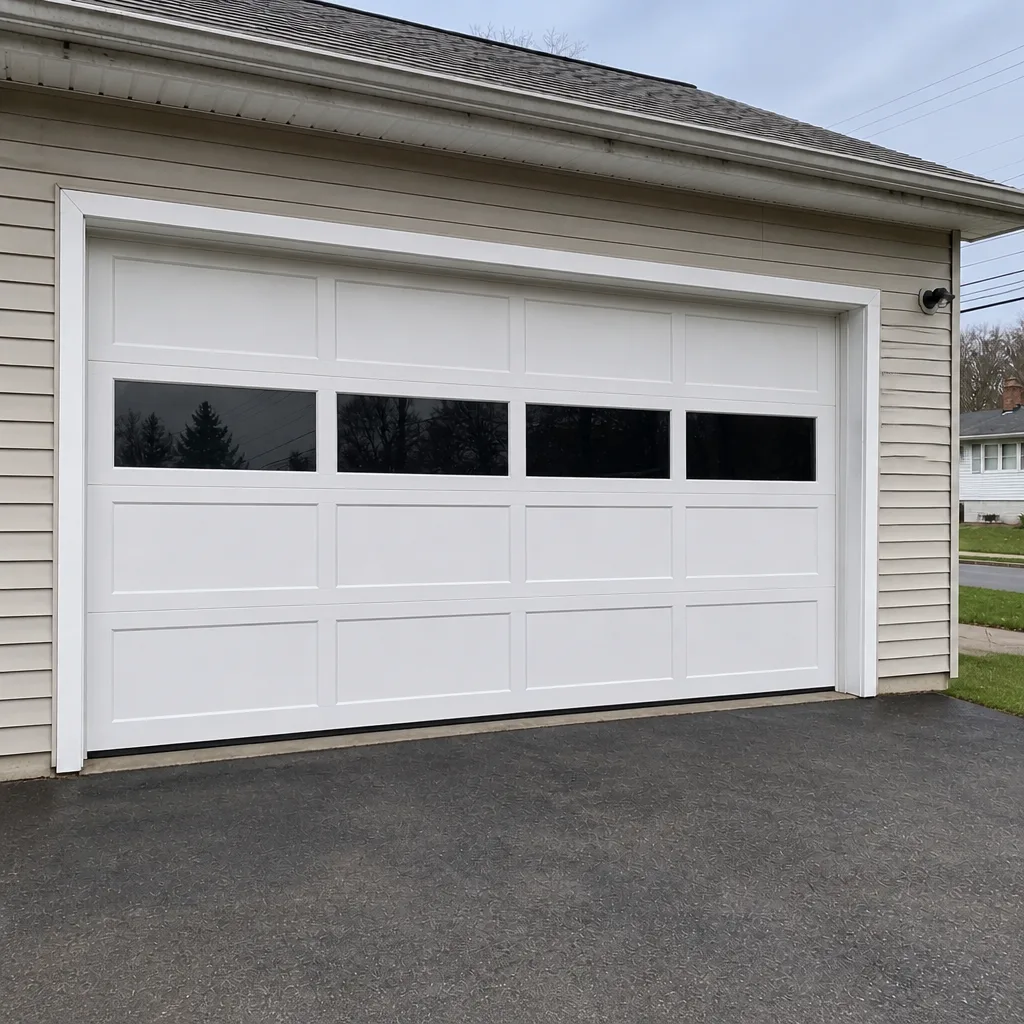 After
When to Call a Professional
Call a professional garage door contractor in Norwich when a spring breaks with a loud bang, when the door stops moving halfway through a cycle, or when the opener runs but the door doesn’t move. Also call when the door reverses on its own, when a panel has separated from the frame, or when a cable has visibly frayed or come off a drum. Any of those is a same-day call, and you shouldn’t try to work around them with the manual release. A door that “mostly works” is a door that’s about to fail while you’re backing out. Garage Door Repair Norwich offers free estimates in Norwich – call (877) 517-6532. If you’d like to read more about what we do first, see Garage Door Repair Norwich.
Frequently Asked Questions
Ask for their Connecticut Home Improvement Contractor (HIC) number on the first phone call, then look it up on the state’s online licensing portal before you book. A registered contractor will give you the number without hesitation and can send a certificate of insurance at the same time. If they can’t or won’t, call someone else. Call (877) 517-6532 for a free estimate once you’re ready to compare.
Hire a specialist. A general handyman can hang an interior door, but that skill doesn’t translate to diagnosing a Genie opener fault, sizing a torsion spring, or working safely around stored spring energy. In our experience, generalists tend to repair by replacement – replacing an opener that wasn’t broken because they couldn’t isolate the actual failure. Call (877) 517-6532 and we’ll come out with a diagnosis instead of a replacement pitch.
A proper scope should include specific spring sizes and cycle ratings, part numbers or descriptions for any opener components, a separate labor line, disposal of old parts, a cable inspection, and any pre-existing condition caveats written down before work begins. If any of those is missing, ask for it in writing. The written estimate sets the final price, and anything that changes the scope should also be documented before work continues.
Because springs are the most expensive single component on a standard door, and no contractor gives one away. A “free spring with any service” offer is usually a low-cycle commodity part bundled with an inflated service bill, or a way to hide the real cost of the repair. Ask what brand and cycle rating the spring is, then compare that to every other quote.
Usually not for a spring or opener repair, but any job that touches structural framing or electrical work typically does. Ask your contractor directly whether the specific job needs a permit, and who pulls it – most cities require a permit for anything structural, so your city’s building department is the authority. A contractor who asks you to handle the permit is a contractor to avoid.
Unbundle both quotes line by line. Ask each contractor for the spring cost per spring, a labor line with estimated hours, the opener part cost, and disposal. Once the numbers are separated, the real difference usually shows up in the parts – one contractor is quoting a standard-cycle spring, the other a high-cycle. A cheap quote on a low-cycle spring will cost more over the life of the door. Call (877) 517-6532 for an itemized estimate from us.
The Bottom Line
The cheapest garage door quote in Norwich is not the same as the best garage door contractor. Verify the Connecticut HIC registration, ask the brand question, demand a written scope, and compare quotes only after unbundling parts from labor. Those four moves, backed by one clear yes to the spring safety rule, will filter out almost every unqualified bidder and protect you from the generalist whose repair turns into a replacement. A specialist is worth what they charge because they diagnose before they replace, and they know your brand before they arrive.
Whether you’re comparing quotes on a spring replacement, an opener that won’t respond, or a full door installation, our team is ready to give you a written estimate and a clear diagnosis. For garage door repair and for garage door opener repair in Norwich, we bring brand-specific knowledge to every job. Our technicians have up to 8 years of experience across the leading systems, and we’re available for emergency service when the door won’t move. Call (877) 517-6532 for a free estimate.
Written by the team at Garage Door Repair Norwich.