Last updated November 22, 2026
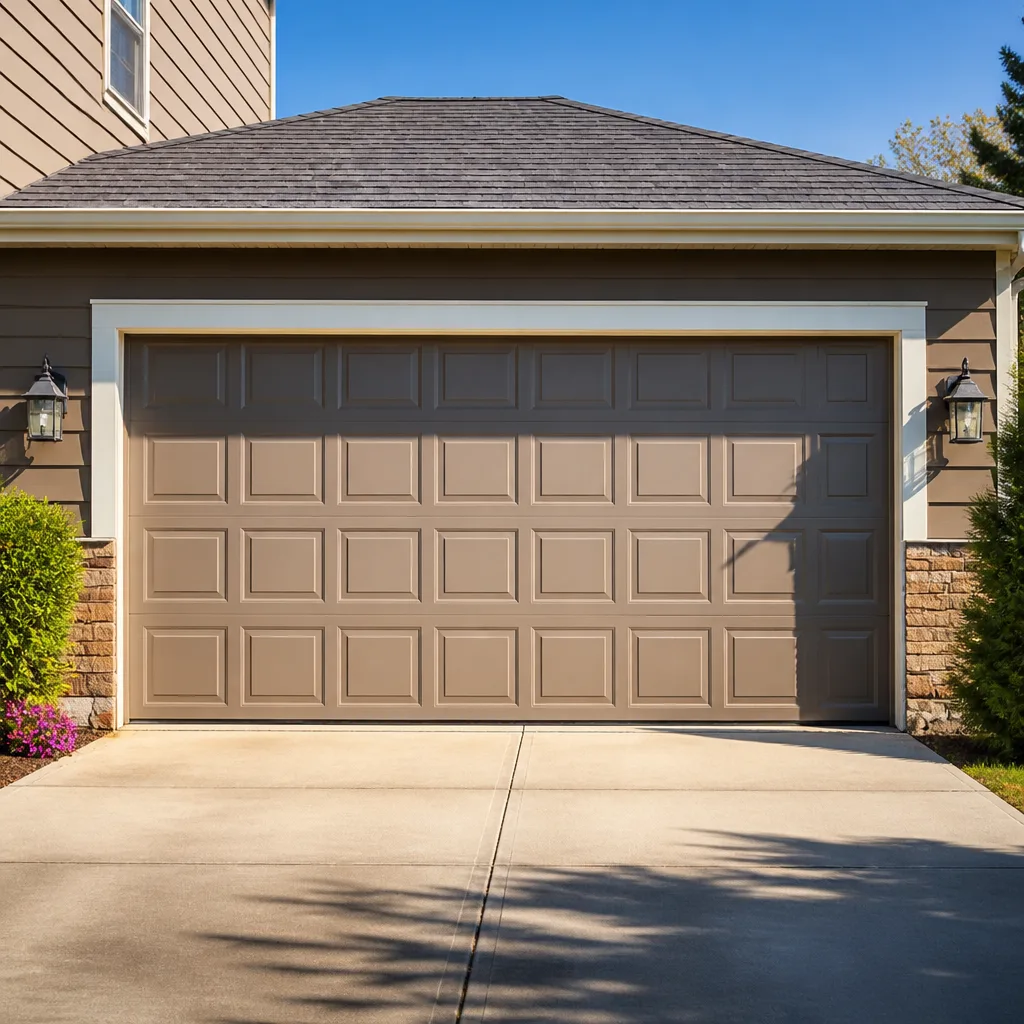 Raised-panel steel
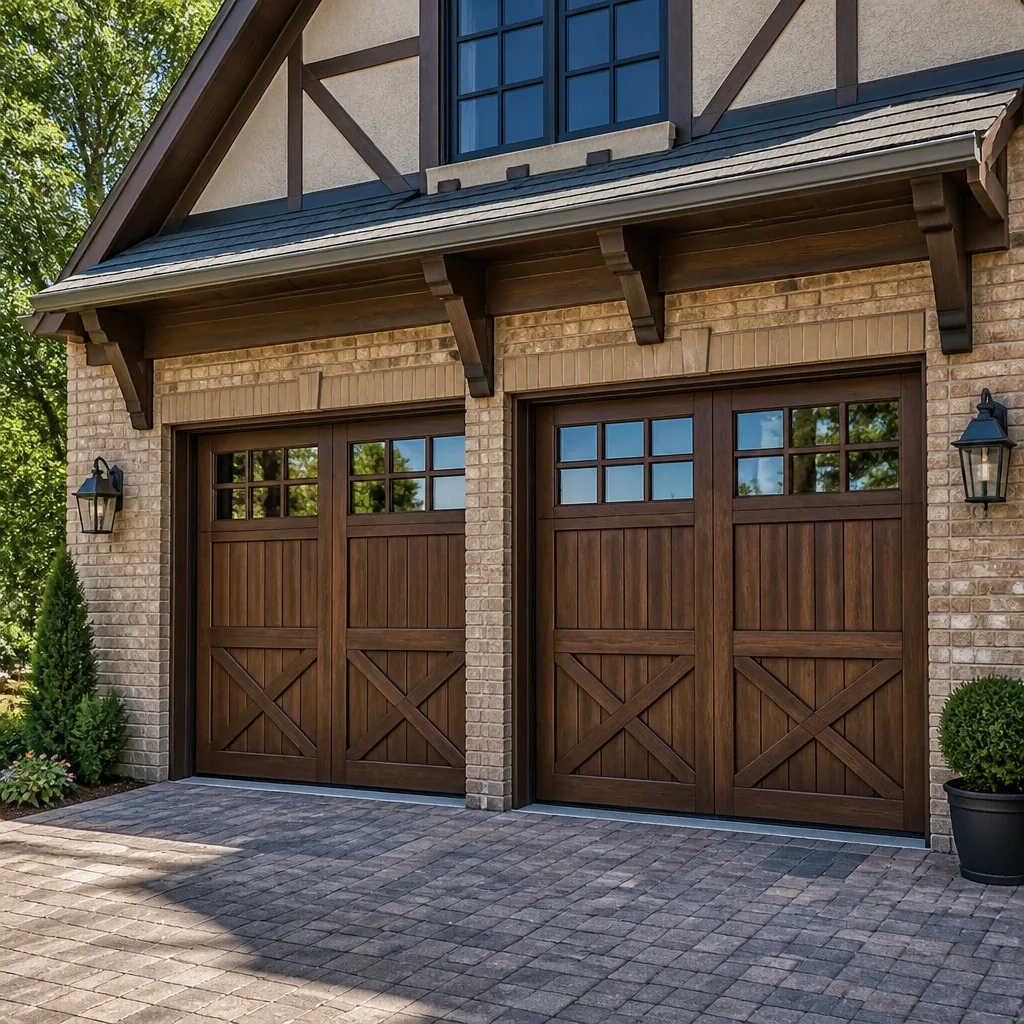 Carriage house
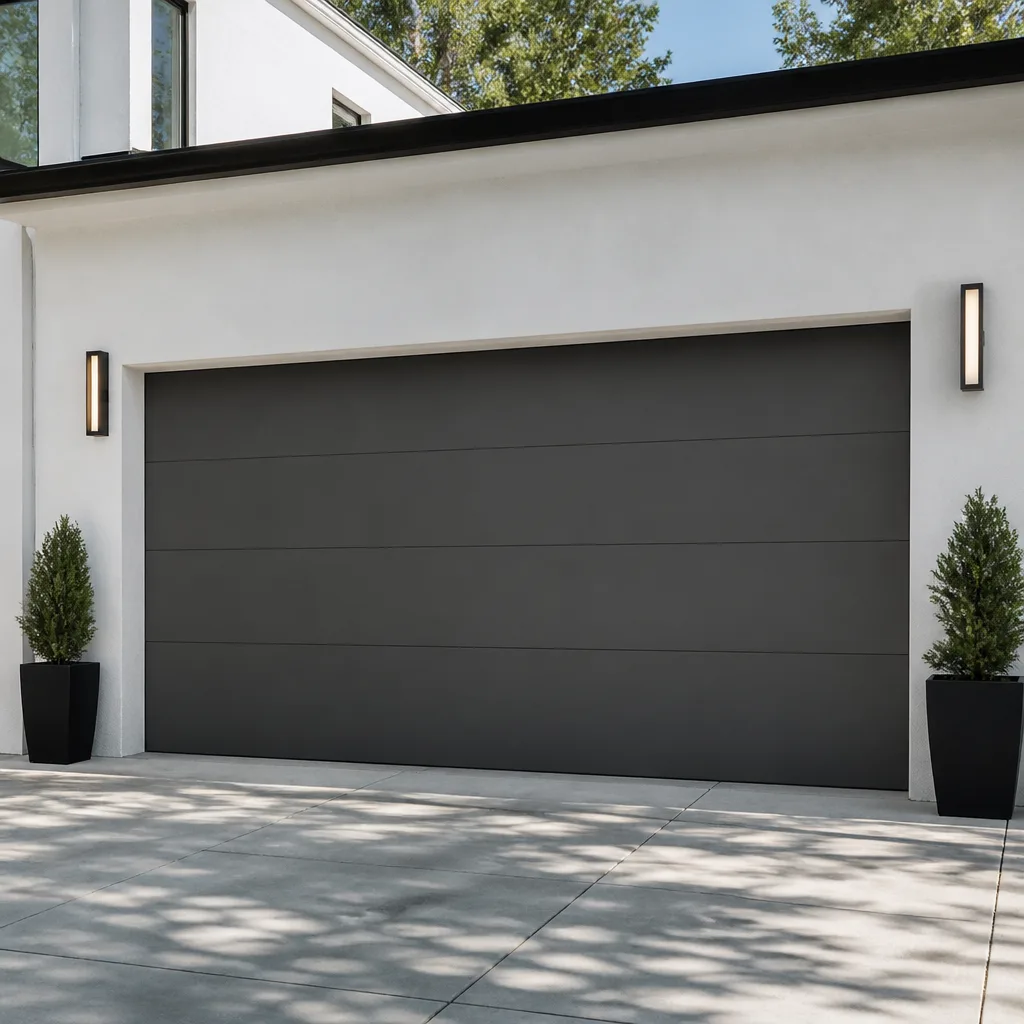 Modern flush
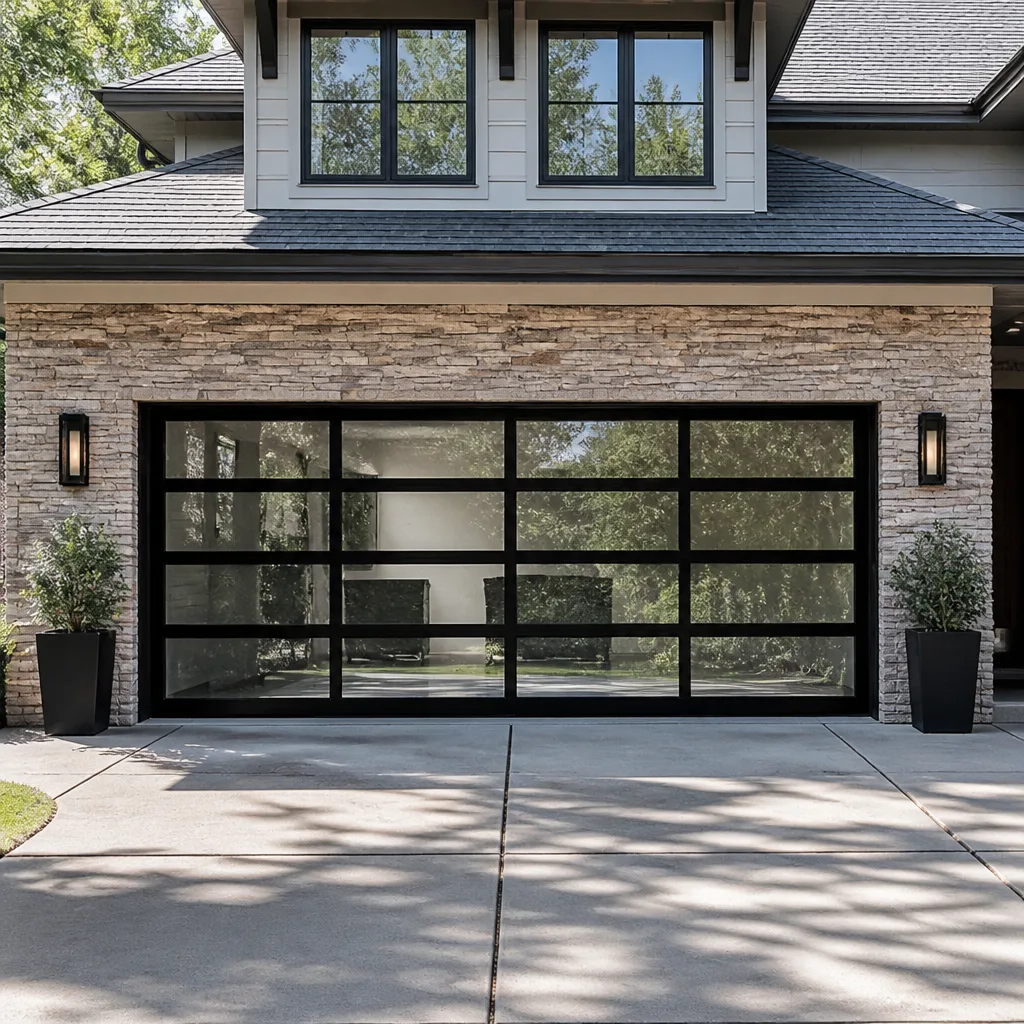 Full-view glass
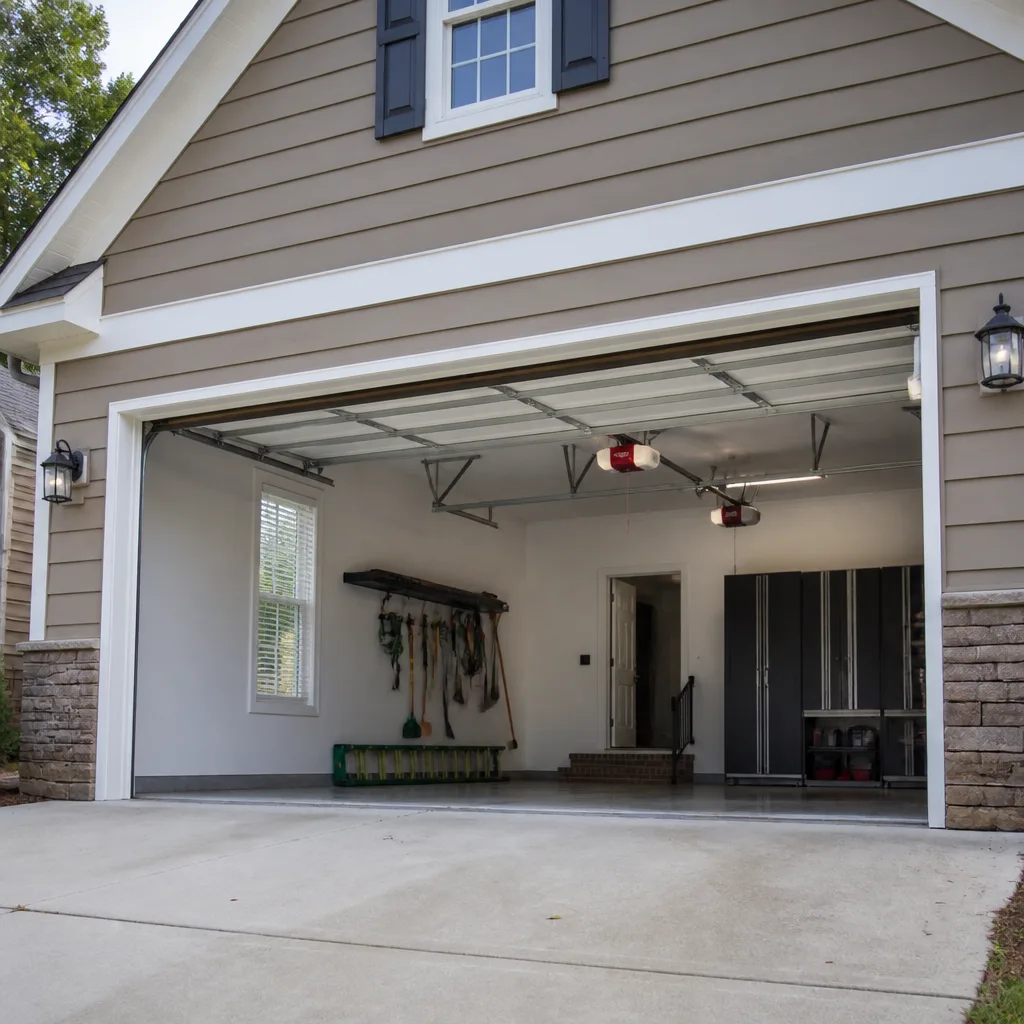 LiftMaster openers
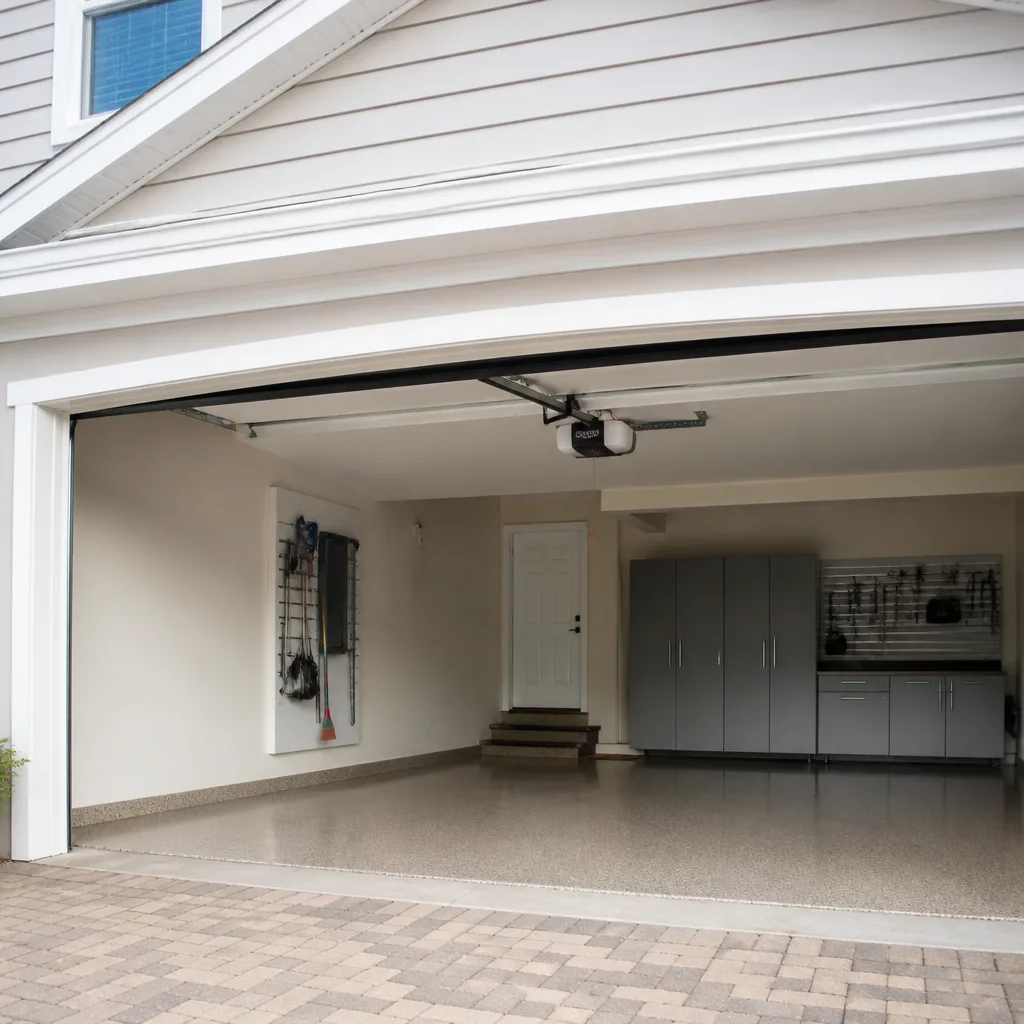 Chamberlain openers
Full 25-point door and opener safety check with every visit - springs, cables, rollers, tracks, and your LiftMaster or Chamberlain opener included
You get a price before we start. It does not change when the pro arrives.
Get your free estimateSeasonal Garage Door Care for Norwich: Year-Round Homeowner’s Guide
Most garage door advice treats the year as four equal seasons of chores. That’s not how doors actually fail in Norwich. They fail in late October, when the first hard frost locks a stiff bottom seal to a cold slab, and again in late February, when months of thermal cycling have worked every fastener loose and the ground has heaved enough to knock the door out of its track. The prep you do in the two maintenance windows between those dates is what decides whether you’re calling for an emergency repair or a routine tune-up. This guide lays out the Norwich calendar by failure pattern instead of by season, and tells you which tasks actually earn a spot every year.
Quick Answer
Garage doors in Norwich fail on a predictable schedule tied to ground frost and thermal cycling, not to the coldest week of the year. Do your heavy maintenance in May and August, prioritize a fresh bottom seal before late-October frost, and check your track and hardware every February. Most annual tasks are genuinely annual – a few you can safely stretch to every two years.
Styles & brands we work with
- Raised-panel steel
- Carriage house
- Modern flush
- Full-view glass
- LiftMaster openers
- Chamberlain openers
Table of Contents
- Why February Is Norwich’s High-Risk Month
- The Late-October Window: Bottom Seal Before Frost
- Winter: When Lubricant Stops Working
- Spring: Post-Heave Track Realignment
- Summer: UV, Humidity and Weatherstripping
- The Two-Year vs Annual Task Split
- Common Mistakes to Avoid
- When to Call a Professional
Why February Is Norwich’s High-Risk Month
Garage doors fail most in Norwich in late February – and it isn’t because February is the coldest month. By then, the door has been through months of freezing nights and milder days, expanding and contracting at the joints, loosening hinge screws, and letting a little slack into the cables each time the door cycles. Anything that wasn’t serviced in the fall has now been stressed through the entire cold stretch. Late February is when those small stresses add up to a door that won’t open or closes unevenly.
The second reason is the ground itself. Frost heave accumulates through the winter, lifting and shifting the slab and the door frame slightly out of plumb. Combined with the loosened hardware from thermal cycling, the door’s guide rollers ride harder against their tracks and occasionally pop free. That’s when a door comes down crooked or gets stuck halfway. Homeowners often call it a hardware failure; a technician usually finds a track out of alignment and a hinge that’s been pulling loose since December.
What you can do about it:
- Tighten every hinge and track bracket nut early in the month. A quarter turn on a few loose bolts prevents most winter misfires.
- Watch one full open-and-close cycle from inside the garage. Uneven speed, a wobble, or a track-rattle all point to the same handful of causes.
- Test the balance of the door by hand – lift it slowly with the opener disengaged. If it doesn’t stay put around the halfway point, the springs have lost tension and need attention.
If the balance test tells you the springs are tired in February, don’t wait for warmer weather. Torsion and extension springs under load are not something to diagnose by eye or by touch. That work belongs with a trained technician, and it’s one of the reasons we treat garage door spring repair as high-stakes work rather than a routine service.
The Late-October Window: Bottom Seal Before Frost
If you only do one seasonal task this year, replace or reseal your bottom weatherstrip in late October, before the ground freezes. This is the highest-return maintenance item on a Norwich garage, and it earned the spot the hard way. Once frost sets into the slab, a stiff, cracked bottom seal no longer conforms to the concrete. Every time the door closes, cold air pours in along the gap, and every time it opens, the seal tears a little further. By January it’s leaking badly enough to freeze pipes in the garage corner and to blow the heating bill through the roof for anything sharing that wall.
You can check the seal without any tools. On a dry afternoon, close the door and walk the full width along the inside with a flashlight on the floor. Any visible line of light means the seal isn’t sitting flush. Thin gaps will pull shut with a fresh seal; wide gaps mean the door itself needs adjustment, not just a new strip.
While you’re at the threshold in October, run through the full fall checklist:
- Inspect and replace the bottom seal if it’s hard, cracked, or torn anywhere.
- Clear the tracks of leaves and grit with a stiff brush and a cloth dampened with a little silicone spray. Never use grease on the tracks – it collects grit.
- Wipe the torsion and extension springs down with a silicone-based lubricant, not oil or WD-40.
- Check the safety reversal by placing a 2×4 flat under the door’s path – it should reverse on contact.
- Test the photo-eye sensors by waving a hand through the beam. The door should reverse and open again.
- Look at the bottom brackets and the cables at both corners. Frayed strands or a slack cable mean a call now, not in February.
One more fall task that gets skipped: check the fit of your opener’s chain or belt. Genie and Chamberlain openers in particular will tighten up over the summer and then rattle throughout the winter if the tension isn’t adjusted. That’s a small fix that saves a lot of noise between December and March. If your system is a LiftMaster or Craftsman model with a wall-mounted unit, the belt tension is adjustable and worth checking before the cold sets in. Our team has installed and serviced enough of both to know the specific adjustment for each.
Winter: When Lubricant Stops Working
Standard garage door lubricant starts to stiffen around 20°F, and by roughly -10°F most conventional greases and oils congeal into a paste that no longer protects the moving parts. Norwich winters occasionally dip below that threshold, and the colder the overnight, the more the door’s rollers, hinges, and spring coils feel the difference. A door that was quiet in November will groan, hesitate, and put extra strain on the opener in a cold snap.
The right product for February temperatures is a low-temperature silicone or PTFE (Teflon-based) lubricant, which stays fluid well below zero. It’s applied sparingly to hinges, springs, and bearing plates. Not to the tracks themselves – apply a thin film to the tracks and wipe off the excess with a rag; a heavy spray in the tracks just collects grit. If your opener is a Chamberlain or a Raynor unit with a chain drive, the chain oil will also thicken in extreme cold. A silicon-based spray on the chain is a reasonable stopgap while you wait for warmer weather.
Winter-specific checks worth doing any time the temperature drops hard:
- Disengage the opener and lift the door by hand. If it feels heavier than usual, the springs are working harder against the cold – don’t force it.
- Look for frost forming inside the bottom seal area. That’s a sign the seal isn’t fully contacting the floor, which is a fall task you may have missed.
- Clear snow and ice from the threshold. Packed ice under the door pushes the bottom seal up against the frame, wearing it faster and creating a gap when the ice melts.
- Listen for grinding at the opener motor. Cold bearings on older units will let you know they’re due for service.
Never try to warm up a stuck spring or cable with a heat gun or a hair dryer. The metal has been under load since the last service, and applying heat can weaken it further in ways you won’t see until the door drops. If the door won’t move at all in February and you’re worried about security, that’s an emergency call. Our garage door repair technicians can work with your insurer if the problem was caused by cold weather damage.
Spring: Post-Heave Track Realignment
By the time the ground thaws in March and April, frost heave has usually thrown the garage floor and frame slightly out of true. Some of that resolves on its own as the soil settles, but the door tracks don’t always come back with it. A track that’s pulled out of plumb by even a quarter inch will cause the rollers to bind on one side, the door to cock slightly as it rises, and the opener to work harder than it should. This is the single most common check we do on Norwich doors in April and May.
You can spot a heeled track without any special tools. Close the door, stand inside the garage, and look straight up along each vertical track. Both should be perfectly vertical, parallel to each other, and evenly spaced from the door edges. Any visible lean, or any gap that’s wider at the bottom than the top, means the track has shifted. Listen for a scrape or a bump as the door opens – the roller catching on a track edge usually sounds like a small metallic tick.
The full spring checklist:
- Inspect both vertical tracks for lean or misalignment.
- Check the horizontal tracks for sag or loose fasteners near the ceiling.
- Re-torque every lag bolt holding the track brackets to the wall framing.
- Look at the door panels themselves – a slight bow means the door is fighting the tracks.
- Test the opener’s force setting. If it’s been increased to overcome track friction, that’s a symptom, not a fix.
Straightening a track should not be done by eye or by force. Tracks are attached to structural framing, and a wrong adjustment can send the door off its rails on the next cycle. If you find a lean that’s more than a few degrees, our garage door opener repair team can check whether the opener is straining against a misaligned track or if the motor is genuinely failing. Those two look almost identical from the outside.
Summer: UV, Humidity and Weatherstripping
Norwich’s summer humidity and strong afternoon sun are hard on two things: the weatherstripping between the door panels and the finish on wooden or wood-composite doors. Late August is when we get the most calls about doors that have started to look chalky, peel around the joints, or let in water along the panel seams.
Weatherstripping between panels is often called “astragal” weatherstripping, and it takes the brunt of the summer. UV rays break down the rubber or vinyl, and the humidity keeps moisture on the surface longer than many homeowners realize. A damaged strip lets water wick between panels – which is fine for a steel door but damaging for a wood or composite one, where it can lead to rot at the seams. Check every seam with a flashlight on a dry day. Any visible crack, hardening, or corner creep means the strip is due for replacement.
Panel finish is the second summer concern. Amarr and Wayne Dalton doors in particular use finishes that need to be kept clean to hold up under UV. A wash with a mild detergent in May and again in August, followed by a good rinse, extends the life of the finish by years. If you see peeling or chalking, that’s the point to sand and repaint rather than wait for the fall. Once the finish is compromised, moisture gets into the panel and starts the damage cycle that shows up the following winter.
Summer checklist for Norwich humidity:
- Wash down the door with mild detergent and rinse thoroughly.
- Check every panel seam for weatherstripping cracks or missing sections.
- Touch up any paint peeling at the corners or along the bottom edge.
- Check the bottom seal again – UV and humidity age it faster than most people expect.
- Confirm the door’s balance is still good in the hotter weather. Expansion can change the feel of a door that was fine in spring.
The Two-Year vs Annual Task Split
Not every “annual” maintenance task needs to be done every year. Push every job onto a yearly schedule and you’ll burn time and money on work that isn’t necessary. The key is knowing which jobs genuinely need attention every twelve months in Norwich’s climate – and which can safely go longer.
| Task | Frequency | Why |
|---|---|---|
| Bottom seal inspection | Annual (late Oct) | Highest-risk item before frost |
| Full spring, hinge, and track inspection | Annual (Feb) | Thermal cycling stresses everything |
| Track realignment check | Annual (spring) | Frost heave relocates the frame |
| Lubrication (silicone/PTFE) | Twice yearly minimum | Cold and heat both wear it out |
| Safety reversal and photo-eye test | Twice yearly minimum | Cheap to test, expensive to skip |
| Panel seam weatherstripping | Annual (Aug) | UV and humidity break it down |
| Opener chain/belt tension check | Every 2 years | Slow wear, low urgency |
| Full opener diagnostics | Every 2 years | Electronics and bearings hold up |
| Repaint of wooden door | Every 2-3 years | Finish wears slowly in this climate |
| Full door replacement | Only as needed | Not a maintenance item |
The pattern is simple: anything involving the bottom of the door, the springs, or the tracks is annual. Anything involving the opener’s electrical or mechanical internals is usually biennial. Doors in downtown Norwich that face south or west get sun-load that ages the panel finish faster, and those jobs may need to shift closer to annual. Doors in Greensville or Chelsea Harbor that are largely shaded can stretch the repaint cycle a year further.
If you’re ever in doubt about whether a task on the biennial list needs to move onto the annual list, look at how the door behaves in the winter. A door that runs smoothly and quietly through February is fine. A door that hesitates, rattles, or has been adjusted twice in one season is telling you something.
Common Mistakes to Avoid
- Skipping the bottom seal until frost hits. Once the ground is frozen, a stiff new seal won’t conform. Do the replacement while the slab is still pliable.
- Using standard grease on the tracks. It collects grit and turns into a grinding paste. Use a silicone lubricant and wipe off the excess.
- Forcing a door that won’t open in winter. If it feels heavy, the springs are cold and under stress. Stop, disengage the opener, and call.
- Ignoring a slight track lean in spring. A quarter-inch shift becomes a stuck door by August. Check tracks after the thaw, not after the problem.
- Skipping the safety reversal test. It’s a five-minute check that catches problems the eye can’t see, and it’s the most important thing on the door.
- Repainting a wooden door in high summer. Heat causes the paint to dry too fast and peel. Wait for a mild stretch in late August or early September.
- Trying to adjust torsion springs by hand. Torsion springs carry load in every position, and adjusting one wrong is the most common way homeowners get seriously hurt.
When to Call a Professional
Call a professional when the door won’t move, when it moves unevenly, or when you hear the snap of a spring breaking. It’s also time to call when the bottom seal gap is wide enough that you can slide your finger under it – a seal that bad usually means the door itself is misaligned, and a fresh strip alone won’t fix it. If the opener runs but the door doesn’t move, or moves a few inches and reverses, the diagnosis splits between the opener and the springs, and that’s a job for someone who knows both systems.
Tracks that lean after spring thaw, cables that look frayed at the corners, and doors that have started to sag in one corner are also clear triggers. Even without an active failure, if you haven’t had the springs inspected in over a year, a professional check is a reasonable investment. Garage Door Repair Norwich offers free estimates in Norwich – call (877) 517-6532 to book a diagnostic.
See the difference
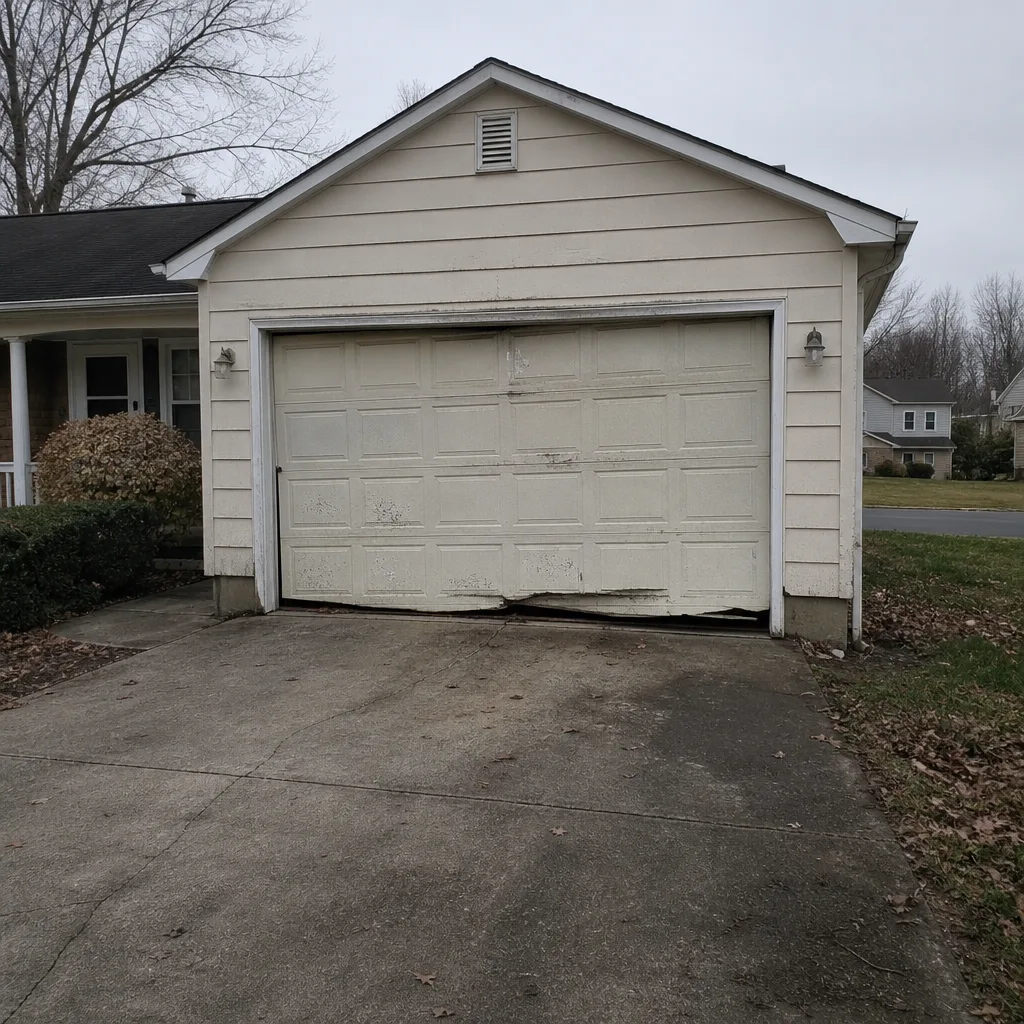 Before
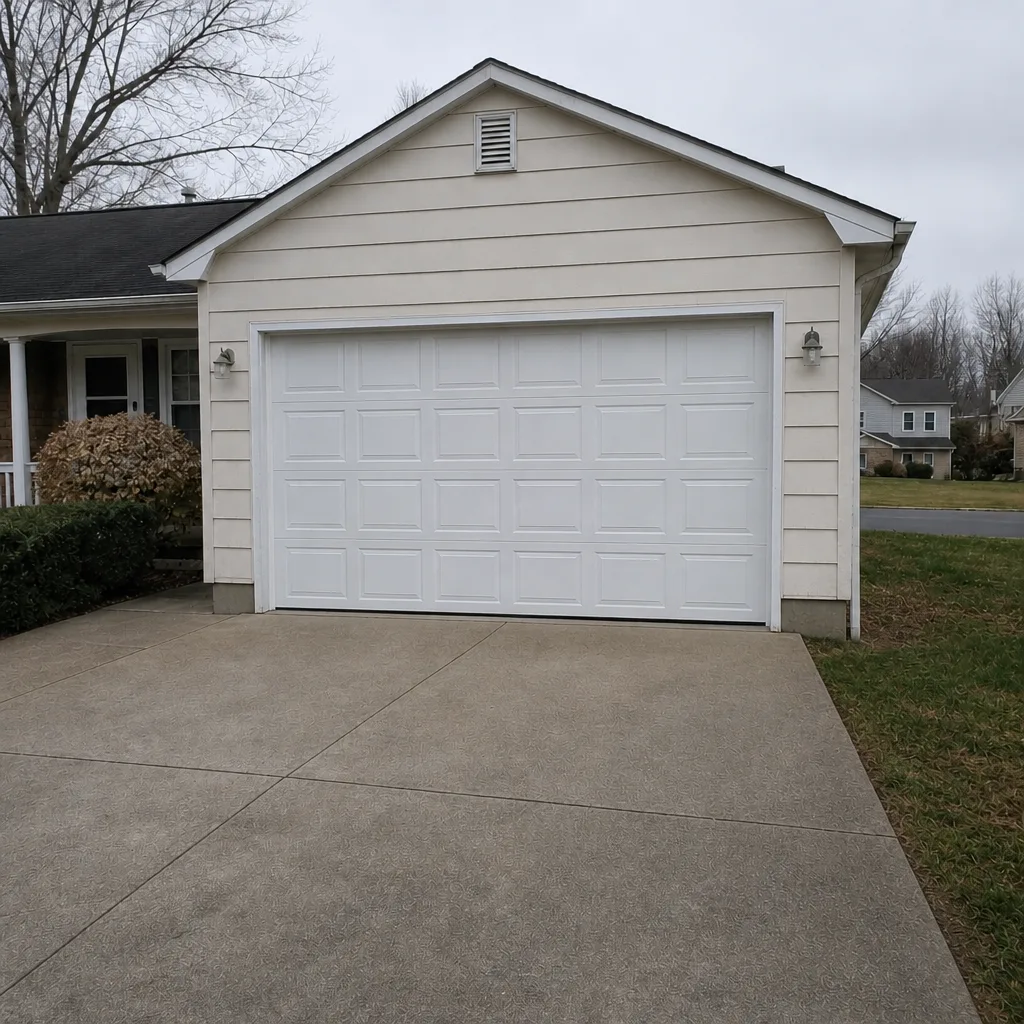 After
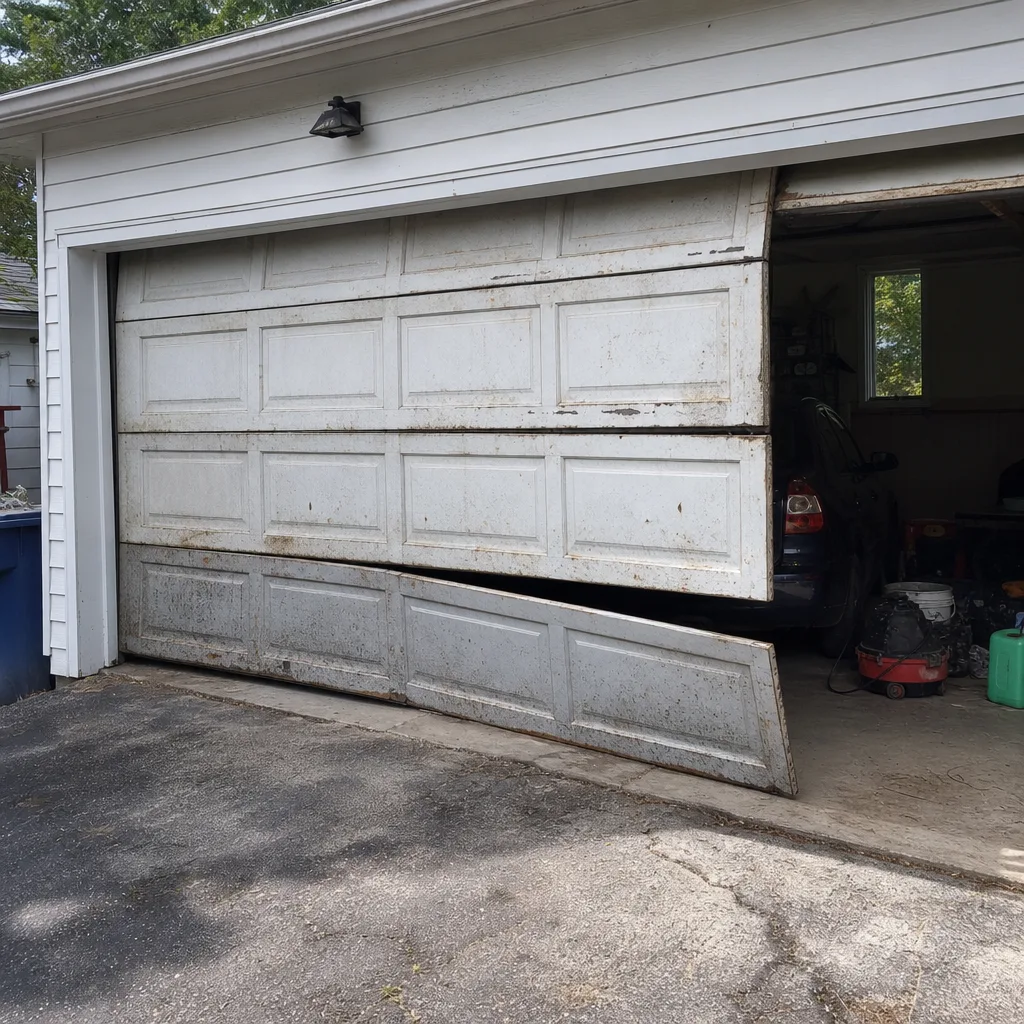 Before
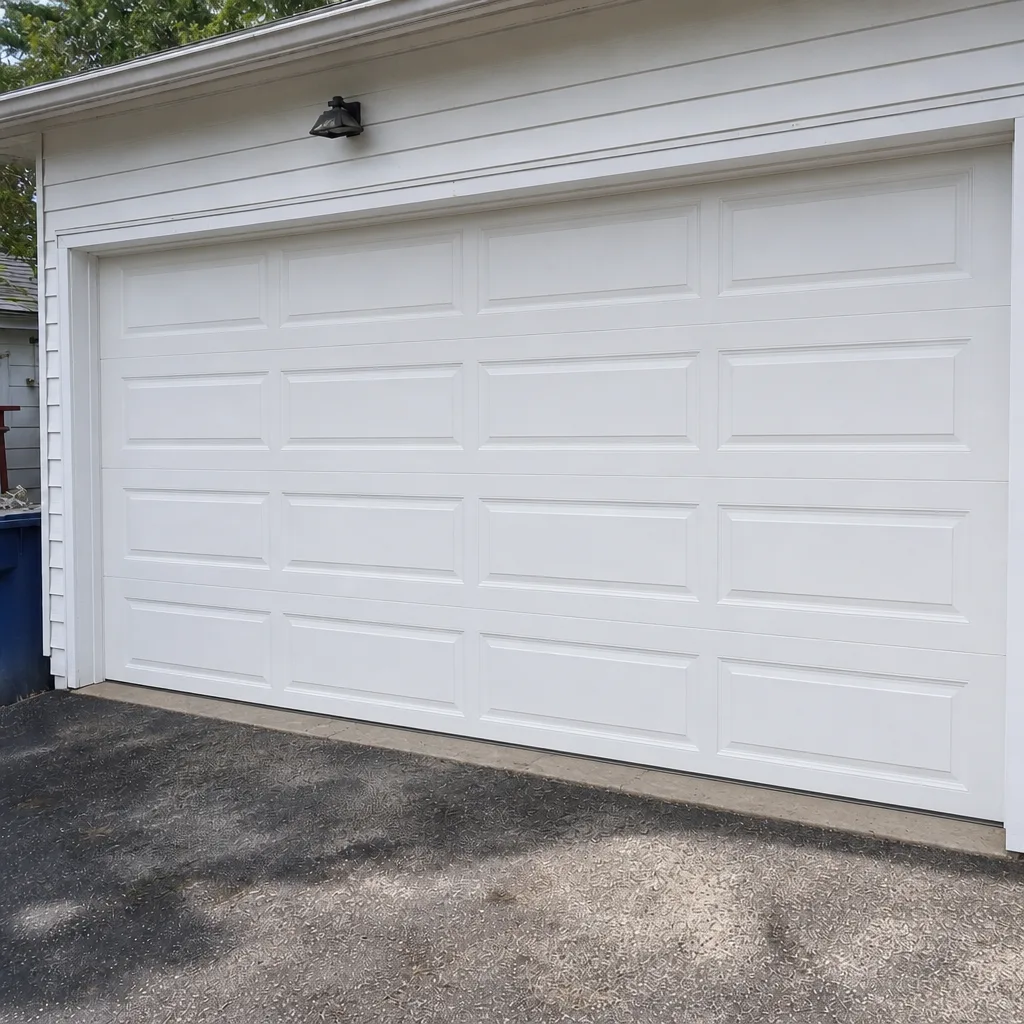 After
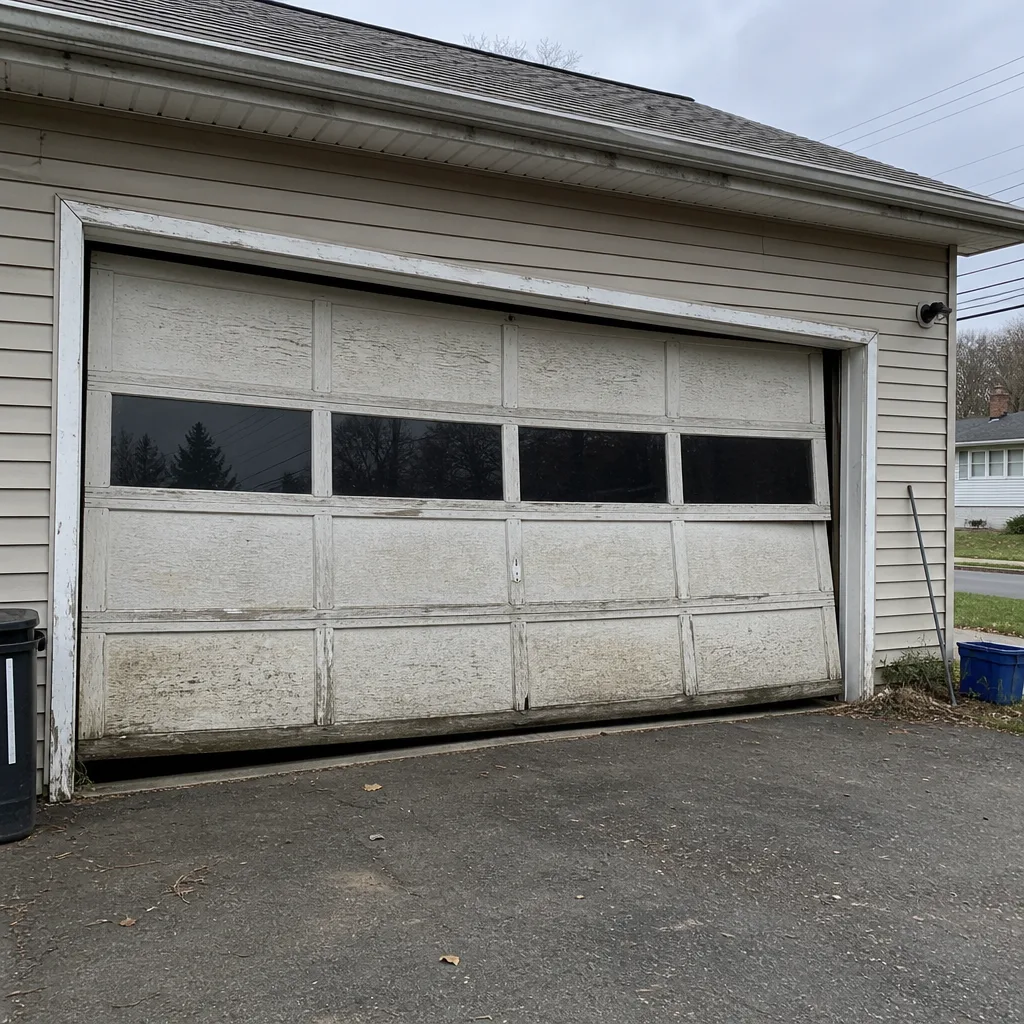 Before
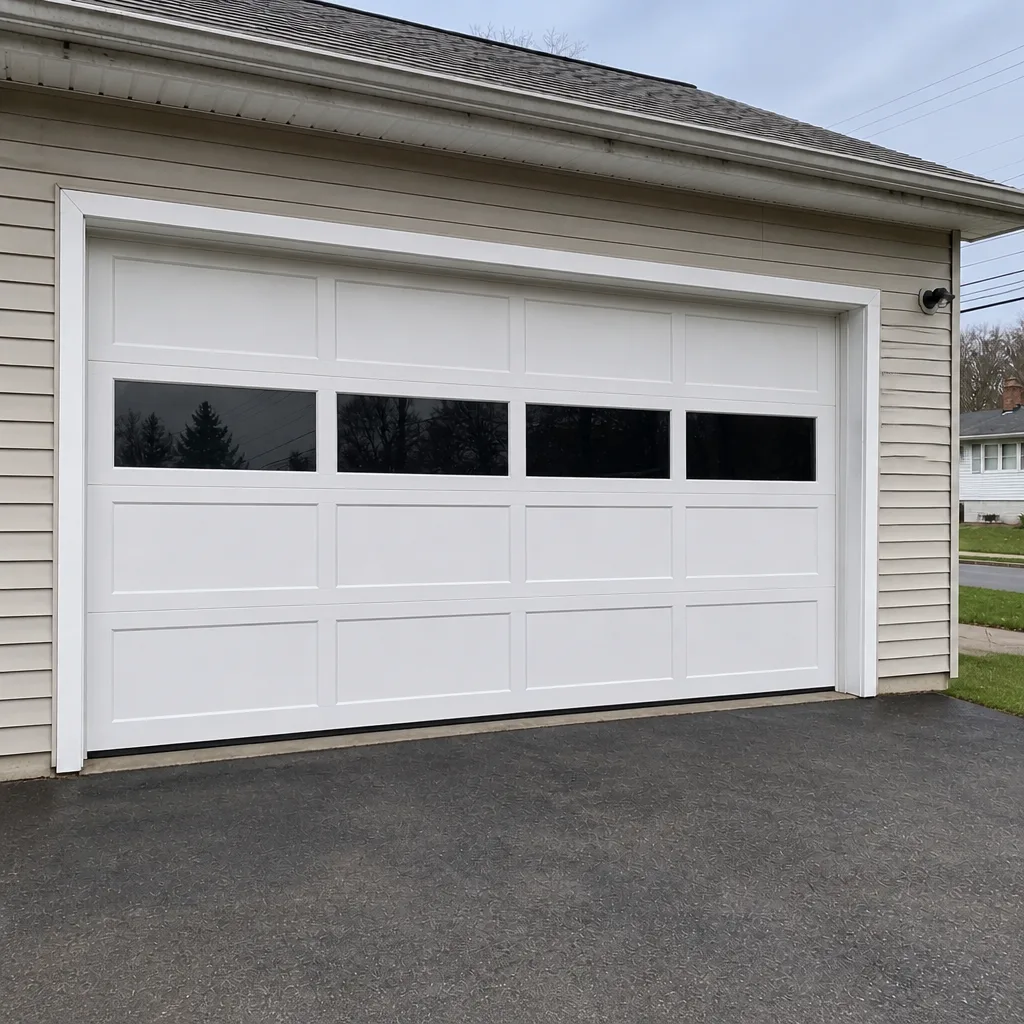 After
Frequently Asked Questions
Twice a year is the right baseline for Norwich because the two high-risk windows (late October and late February) bracket a year of thermal cycling that loosens hardware, ages the seal, and shifts the tracks. A fall and a spring visit catch the majority of problems before they turn into failures. Call (877) 517-6532 to schedule a check.
Replacing the bottom weatherstrip in late October, before the ground freezes. It’s cheap, it’s fast, and it prevents the cold-air infiltration and pipe-freezing problems that follow a stiff seal into January. Catching a bad seal before frost is worth far more than waiting and doing it in December.
Basic checks like lubricating hinges, cleaning tracks, testing the safety reversal, and inspecting the bottom seal are fine to do yourself. Anything involving the springs, cables, or a misaligned track is not – those parts are under load and adjusting them wrong causes injuries every year. When the job moves into the springs, call a technician.
Most garage door systems will function below 0°F, but conventional lubricants lose effectiveness around -10°F. Below that, use low-temperature silicone or PTFE lubricant and expect the door to feel slightly heavier. If it becomes stubborn below zero, that’s normal – forcing it isn’t.
Late February combines frost heave, loosened hardware, and cumulative spring fatigue. Every component that skipped fall service has been stressed through the whole winter by then. If the door is sticking in February, it needs a track check, a hardware tighten, and a spring inspection. Call (877) 517-6532 before the door gets stuck closed.
Most winter failures are repair-able – a broken spring, a track out of alignment, or an opener motor. Replacement becomes the right answer when the door panels are rotting, multiple openers have failed, or the panel damage is widespread. A professional estimate will tell you which route is worth it; that’s a free call at (877) 517-6532.
The Bottom Line
Treat the Norwich garage door calendar as two maintenance windows separated by two high-risk periods, and you’ll stop most failures before they happen. Do the heavy work in late October (bottom seal) and late spring (track realignment), check everything in February, and be proactive about UV and humidity in August. Not every task needs to be annual – the table above shows which do. The one thing you can’t skip is the safety check, and the one thing you should never do yourself is spring work. If we can take any of this off your list, our team at Garage Door Repair Norwich has serviced enough Amarr, Craftsman, and LiftMaster systems in Norwich to know what fails and when. Call us at (877) 517-6532 for a free estimate.
Written by the team at Garage Door Repair Norwich.