Last updated November 22, 2026
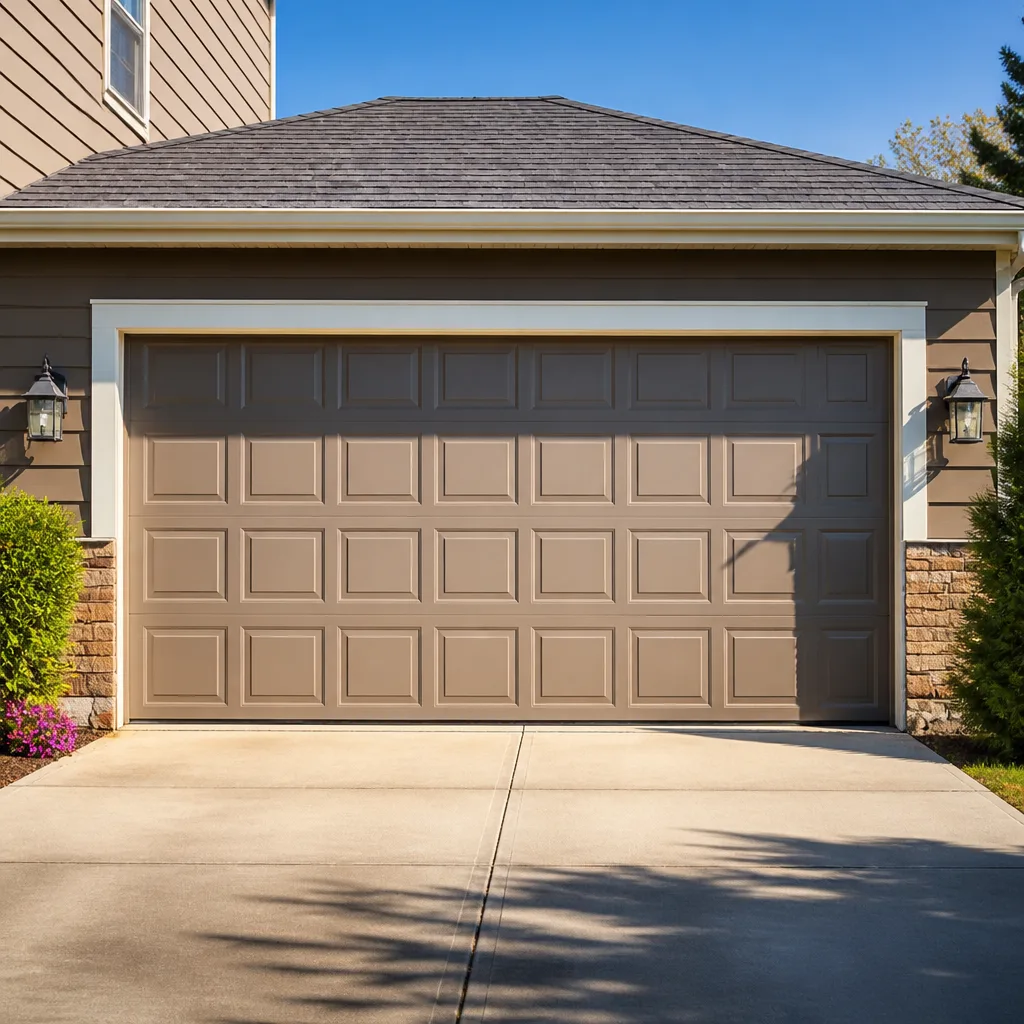 Raised-panel steel
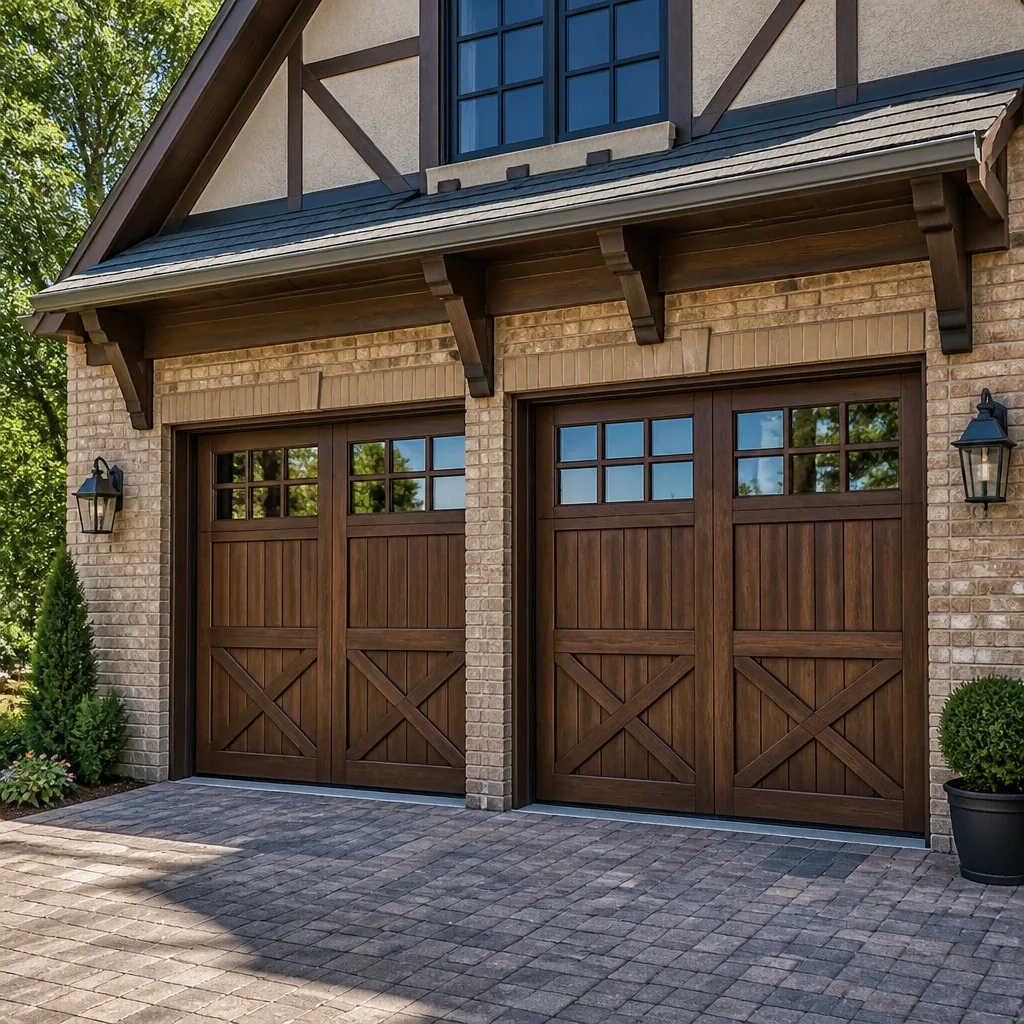 Carriage house
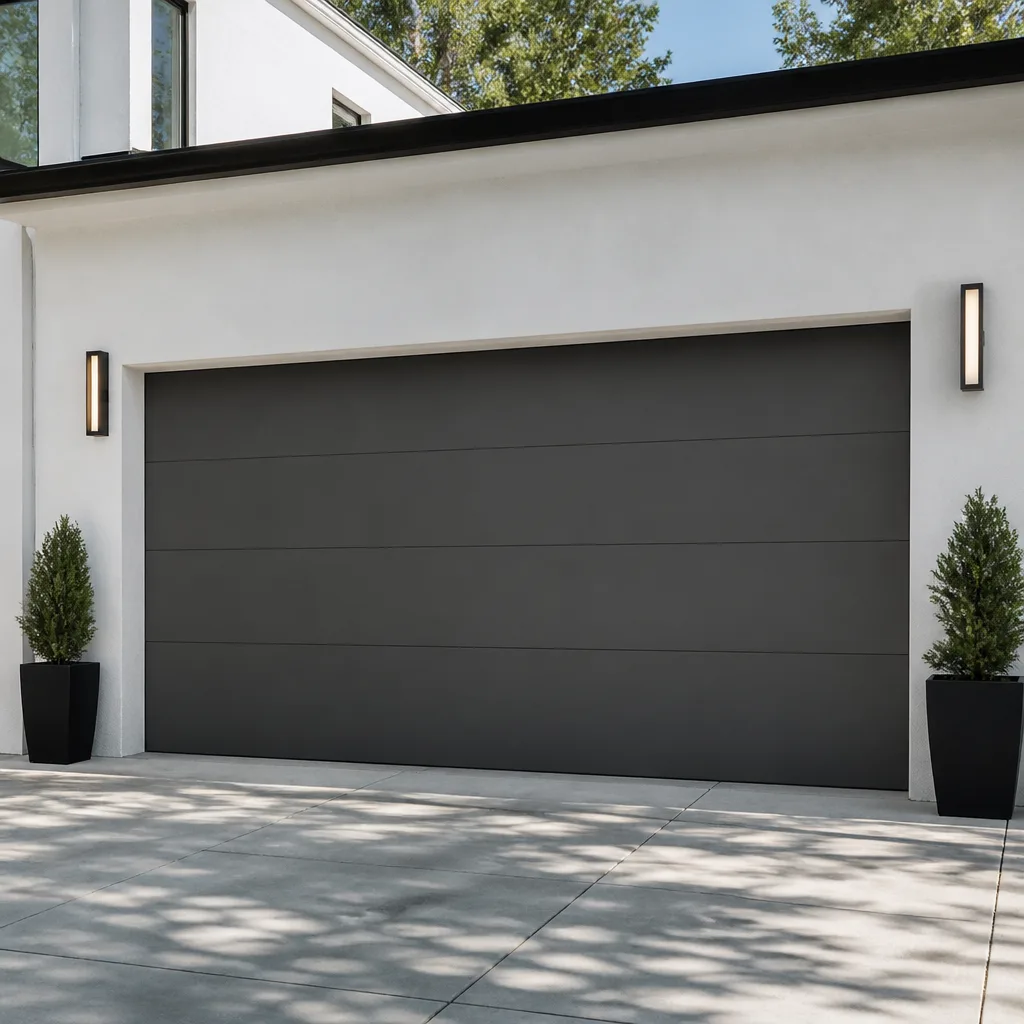 Modern flush
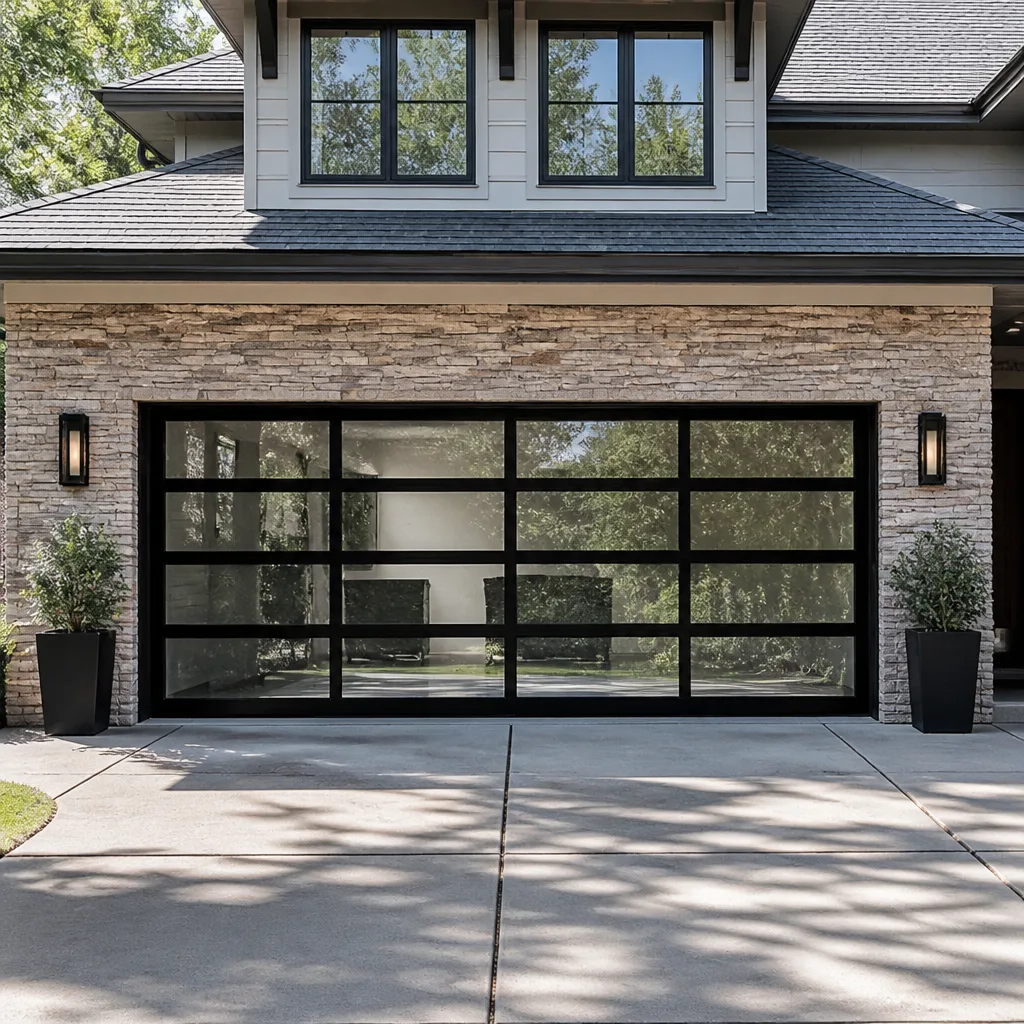 Full-view glass
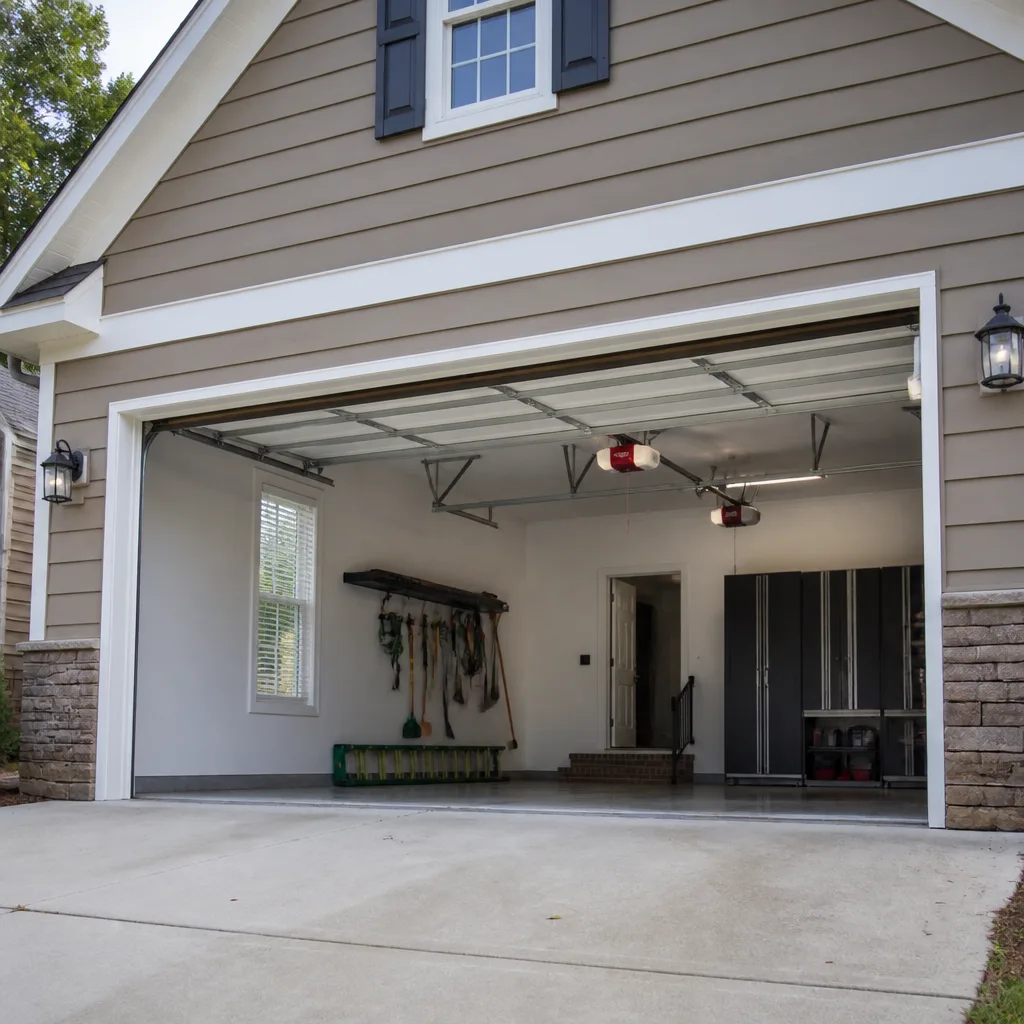 LiftMaster openers
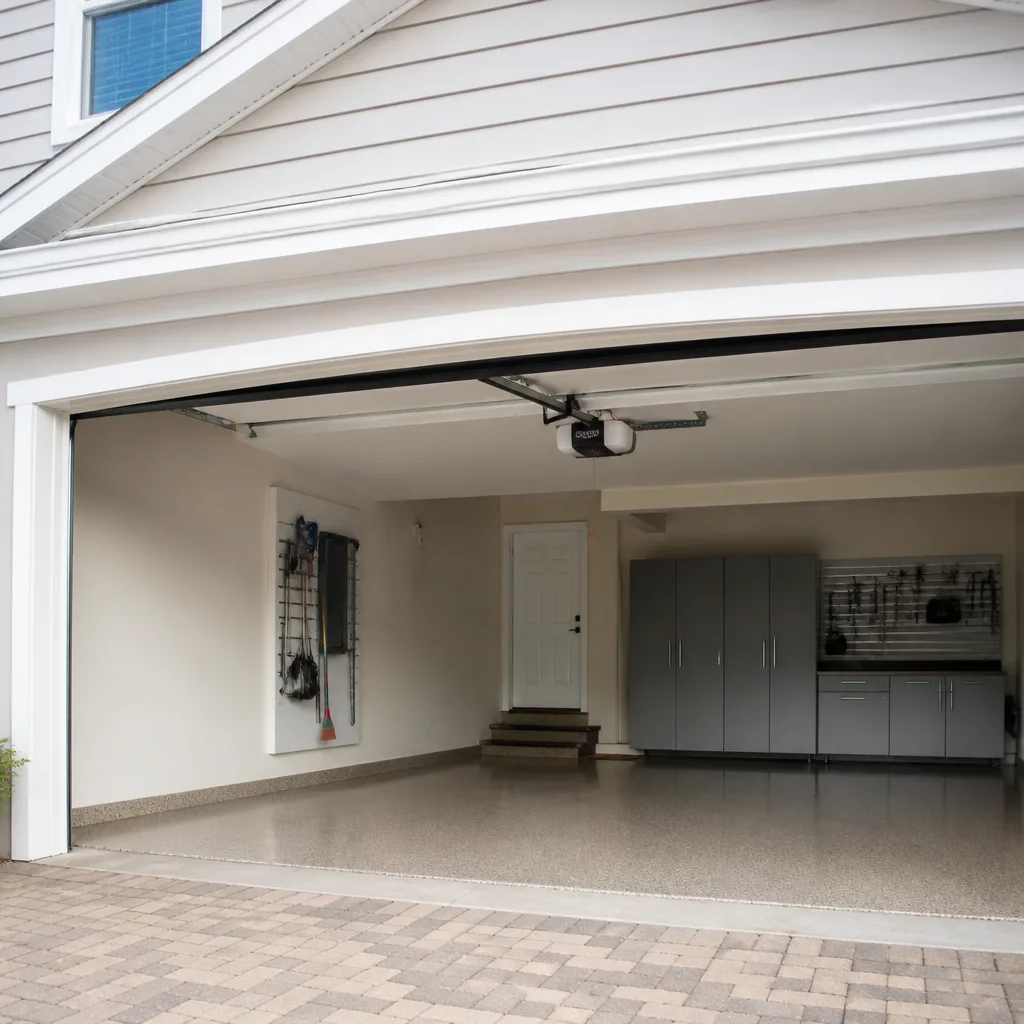 Chamberlain openers
Full 25-point door and opener safety check with every visit - springs, cables, rollers, tracks, and your LiftMaster or Chamberlain opener included
You get a price before we start. It does not change when the pro arrives.
Get your free estimateDIY vs Professional Garage Door: The Norwich Homeowner’s Decision Guide
Here’s the part most guides get wrong: the DIY-versus-pro question for garage doors isn’t really about how handy you are. It’s about physics. A torsion spring stores roughly the equivalent of a loaded crossbow’s energy, wound around a steel bar above your head. The question isn’t whether you’re capable of changing it. It’s whether the $80 you save justifies that specific failure mode. This guide draws a hard line between the jobs a competent homeowner can do and the ones that carry a risk skill alone can’t mitigate. If you’re weighing DIY garage door repair in Norwich, you’ll leave knowing exactly which side of that line each task falls on.
Quick Answer
Most garage door tasks fall into two clear groups. Rollers, weather seals, and opener remote programming are genuinely safe for a careful homeowner. Torsion springs, cables, and bottom brackets are not, because they hold stored mechanical energy that can release without warning and cause serious injury. When a Norwich door won’t open, binds, or makes a loud bang, that’s the point to call a professional rather than a tutorial. The written quote you get before work starts is the final price, so there’s no gamble on the invoice.
Styles & brands we work with
- Raised-panel steel
- Carriage house
- Modern flush
- Full-view glass
- LiftMaster openers
- Chamberlain openers
Table of Contents
- The Task-by-Task Split: What’s Safe and What Isn’t
- Why Torsion Springs Are the Defining Line
- The Tool Cost Reality Nobody Mentions
- The Connecticut Liability Question
- How to Tell a Job Has Already Crossed the Line
- How to Use Video Tutorials Without Getting Burned
- What Makes Norwich Doors Different
- Common Mistakes to Avoid
The Task-by-Task Split: What’s Safe and What Isn’t
The garage door gets treated as one system when homeowners talk about it, but from a repair standpoint it’s a stack of separate assemblies with very different risk profiles. Some of them you can absolutely handle. Others you shouldn’t touch, and the distinction is mechanical, not a matter of experience.
Here’s how we break it down when a Norwich homeowner asks whether a job is a do-it-yourself project:
Genuinely safe for a competent DIYer
- Rollers. The wheels that ride in the track wear down and get noisy. Replacing them with the door fully closed and locked is low-risk, though you need to match the roller type to your track and door weight.
- Weather seal and bottom rubber. The seal along the bottom edge and the strips around the frame dry out and let in drafts. Swapping them is straightforward and improves both comfort and energy use in a Norwich garage that faces cold winters.
- Opener remote programming. Pairing a new remote to a LiftMaster, Chamberlain, Genie, or Craftsman opener is a button-press sequence in the manual. No tools, no risk.
- Lubrication and hardware tightening. A little door-specific lubricant on hinges, rollers, and the opener rail, plus checking bolts, prevents most of the squeaks and rattles people call about.
- Photo-eye alignment. The safety sensors at the bottom of the track get knocked out of line easily. Straightening them and clearing the lens solves a surprising share of “door won’t close” complaints.
Not safe, regardless of confidence
- Torsion springs. The wound spring on the shaft above the door. This is the single most dangerous component in the system.
- Extension springs. The springs that run alongside the horizontal tracks on older doors. Still stored energy, still a serious hazard.
- Cables. The cables that lift the door are under tension and can whip if released incorrectly.
- Bottom bracket. The bracket at the base of the door holds cable tension and can fail violently.
- Track realignment after impact. A bent track usually signals a bigger alignment or balance problem that needs diagnosis, not a hammer.
The pattern is simple: anything holding stored energy or carrying the door’s weight is a professional job. Everything cosmetic or low-tension is fair game.
Why Torsion Springs Are the Defining Line
A torsion spring is a steel coil wound around a shaft, and it holds the entire weight of the door in tension. When you raise a garage door, the spring releases energy to help lift it; when you lower it, the spring recharges. That stored energy is what makes a torsion spring job different from every other repair on a garage door.
We’ve seen the aftermath of a homeowner attempting a spring replacement, and it’s never worth the savings. The failure modes are specific:
- Winding bars slip. Winding a new spring requires two steel bars inserted into the spring’s cones and turned in a controlled sequence. If the bar slips or is the wrong size, the spring unloads in an instant. There’s no second chance to catch it.
- Wrong spring spec. Springs are matched to door weight, height, and cycle life. Guessing the wire gauge or inside diameter produces a door that’s out of balance, which then stresses the opener and cables.
- Improper winding count. Too few or too many turns and the door won’t stay where you leave it, or the spring fails early. The turns must match the door’s geometry, not a generic count.
- Cable disengagement. Releasing spring tension without securing the door can let a cable snap loose. That’s how the serious injuries happen.
This is one reason we treat garage door spring repair as a specialty, not a general handyman task. Torsion and extension work is outside safe DIY reach, and it’s the clearest line in the whole DIY-versus-pro decision. If a Norwich door makes a loud bang and then won’t lift, that’s a broken spring, and it’s a call-a-professional moment, not a weekend project.
The Tool Cost Reality Nobody Mentions
DIY savings evaporate fast when the job needs a tool you don’t own. That’s especially true on garage doors, where the “simple” repairs often demand specialized equipment. Running the numbers honestly changes the math on several tasks.
Here’s where the tool budget goes:
- Winding bars. Real spring winding requires a matched pair of steel winding bars. Cheap substitutes are exactly the slip risk that causes injury.
- Spring winding scale or door-weight measurement. Getting the correct replacement spring means knowing the door’s actual weight and the spring’s dimensions. Without measuring, you’re guessing.
- A proper set of hand tools. Socket sets, a sturdy ladder, and often a C-clamp to secure the door. Most homeowners have some of this, not all of it.
- Torque and tension checks. Verifying the door is balanced after a repair takes a level of measurement that’s easy to skip and hard to fake.
Add those up and a “cheap” repair that saves maybe $80 on labor can eat a $60 to $100 tool investment on top of the risk. When you weigh the tool cost against a professional repair that includes the written quote up front, the savings often vanish entirely. A Norwich homeowner with a broken spring is better served putting that budget toward the repair and keeping their hands out of the danger zone.
The Connecticut Liability Question
This is the part DIY guides avoid. If a homeowner-installed component fails and causes injury or damage, your homeowner’s insurance may not cover the claim the way you’d expect. Policies differ, and the specifics depend on your carrier and the language in your policy, but the general principle matters: work you perform on a high-energy system yourself changes the liability picture.
Consider what can go wrong:
- Injury to you. A spring or cable failure while you’re working on it is the obvious risk, and medical costs land on your household.
- Injury to someone else. A door that drops or a component that fails unexpectedly can hurt a family member or a visitor. How your insurance responds to a claim stemming from your own repair is a question for your agent, not something to assume.
- Property damage. A door that comes off track or a spring that lets go can damage the door, the framing, or a vehicle. Whether that’s covered after a self-performed repair depends on your policy terms.
- Disclosure down the road. If you sell the home, work done on a garage door can come up in an inspection. Undocumented high-risk repairs raise questions.
The safe way to think about it: a professional repair sits on a licensed, insured local pro who carries the work. That’s the standard we point homeowners toward, and it’s the strongest argument for professional service on any task that carries real risk. Before you take on a door repair yourself, call your insurance agent and ask how a self-installed component would be handled. Most Norwich homeowners find the answer settles the question quickly.
How to Tell a Job Has Already Crossed the Line
Sometimes a job looks like a quick fix and turns out to be the surface of something bigger. Knowing the warning signs before you start saves wasted effort and, more importantly, keeps you away from a hazard. Here are the signals that a repair has already crossed into professional territory.
A “simple” job has crossed the line if:
- The door won’t stay level when you open it halfway. An unbalanced door points to a spring or cable problem, and that’s a professional diagnosis, not a DIY fix.
- You see a gap or fraying in a cable. Cables run under tension. A damaged cable needs replacement by someone who knows how to de-tension safely.
- The door is heavier than it used to be. A door that suddenly resists lifting usually means a spring has lost tension or broken. Don’t push through it.
- A roller or hinge is bent or a track is visibly out of line. Impact damage rarely stops at the part you can see. There’s usually an alignment problem underneath.
- The opener strains or the door jerks. That’s the door fighting the opener, and it often means a balance issue or a failing spring.
- You can’t identify the spring or cable type. Different systems need different replacement parts and different methods. If you can’t name what you’re looking at, stop.
Any one of these means the repair is already a professional job. This is the moment to call garage door repair rather than push forward. The free estimate tells you exactly what’s wrong and what it costs before anything is touched.
How to Use Video Tutorials Without Getting Burned
Video tutorials are useful for the safe tasks and dangerous for the risky ones. The trap most homeowners fall into is following a generic video on a door that isn’t the same as theirs. Garage doors vary in spring type, gauge, track configuration, and opener brand, and a video made for one model can lead you badly wrong on another.
Before you follow any tutorial, verify these things about your specific door:
- The door make and model. Amarr, Wayne Dalton, Craftsman, and Raynor doors have specific spring and part configurations. Match the video to your brand, not to a generic “any garage door” clip.
- The spring type. Torsion and extension springs are completely different systems with different safety risks. A video for one doesn’t transfer to the other.
- Your opener brand and programming method. Remote pairing procedures vary across LiftMaster, Chamberlain, Genie, and Craftsman openers. Use your owner’s manual or the brand’s official instructions.
- Door weight and size. Spring replacement specs depend on the door’s actual weight. A generic tutorial won’t tell you which spring you need.
- Whether the comments mention failures. If viewers report the same problem you’re seeing, the video may skip a step that matters for your door.
The right way to use video: watch it to understand the task, then decide whether it’s in the safe column or the professional column. For rollers, seals, and remote programming, a video is genuinely helpful. For anything involving springs, cables, or the bottom bracket, the video should be the reason you call, not the reason you reach for a tool. Our technicians have up to 8 years of experience with exactly these systems, and the difference between a safe fix and a dangerous one often comes down to knowing the specific model in front of you.
What Makes Norwich Doors Different
Garage doors in Norwich live in a particular climate, and that shapes which repairs come up most. New England winters bring freeze-thaw cycles, road salt tracked into garages, and cold that stiffens lubricant and stresses springs. A door that performed fine through the fall can bind or slow down once the temperature drops.
What that means for the DIY-versus-pro call here:
- Cold-weather stiffness. Lubricant thickens in cold, and some of the “door is struggling” complaints in Norwich clear up with proper winter-grade lubrication. That’s a safe DIY task worth keeping on your radar.
- Spring fatigue. Springs take more cycles in a household that uses the garage as the main entry. When a spring lets go in the middle of a Norwich winter, the door often ends up stuck open or shut, which is a security and access problem, not just an inconvenience.
- Seal wear. Weather seals crack faster with freeze-thaw, and driveway salt accelerates wear on hardware. Replacing seals and keeping hardware clean is easy, low-risk maintenance.
- Settlement and track alignment. Older homes around Norwich have doors that shift as structures settle, and a track that’s off by a fraction stresses everything downstream.
None of this changes the core rule: safe tasks stay safe in Norwich, and the dangerous ones stay dangerous. But the climate does mean a few maintenance tasks are worth doing before winter, and it means a failed spring in January is worth a fast call rather than a brave attempt. Norwich garage doors that are used daily as the main entry put more cycles on their springs than a door that’s opened once a day, so wear shows up sooner.
Common Mistakes to Avoid
These are the errors we see most often when a Norwich homeowner has tried a repair and gotten stuck, or made a small problem worse before calling.
- Winding a spring without winding bars. Using screwdrivers or a pipe wrench as a substitute is the single most common cause of a spring slipping and causing injury. There’s no safe substitute for matched steel winding bars.
- Guessing the replacement spring. Buying a spring off the wire size or by eye instead of measuring door weight produces an unbalanced door that strains the opener and cables. The spring has to match the door, not the old spring’s look.
- Ignoring an unbalanced door. A door that won’t stay halfway up is telling you something is wrong. Opening and closing it anyway wears the opener and can lead to a sudden failure.
- Following a generic video on the wrong door. Amarr, Wayne Dalton, and Raynor configurations differ, and a tutorial for one brand can lead you to the wrong part or the wrong method on another.
- Overtightening hardware. Bolts on hinges and the opener rail get over-torqued and strip, turning a simple maintenance task into a repair. Snug is enough; check the manual for torque where it matters.
- Forgetting to lock the door before working on it. With the door up and the opener engaged, a door can move unexpectedly. Locking the door closed and disconnecting the opener is the basic safety step people skip.
- Assuming a small noise is nothing. A new rattle or squeal in a Norwich door often signals a wearing roller, a loose bolt, or an early spring problem. Addressing it early keeps it in the safe DIY column.
Each of these looks small until it isn’t. The safe DIY tasks reward care and the risky ones punish shortcuts, and Norwich homeowners are best served by knowing which is which before they start.
See the difference
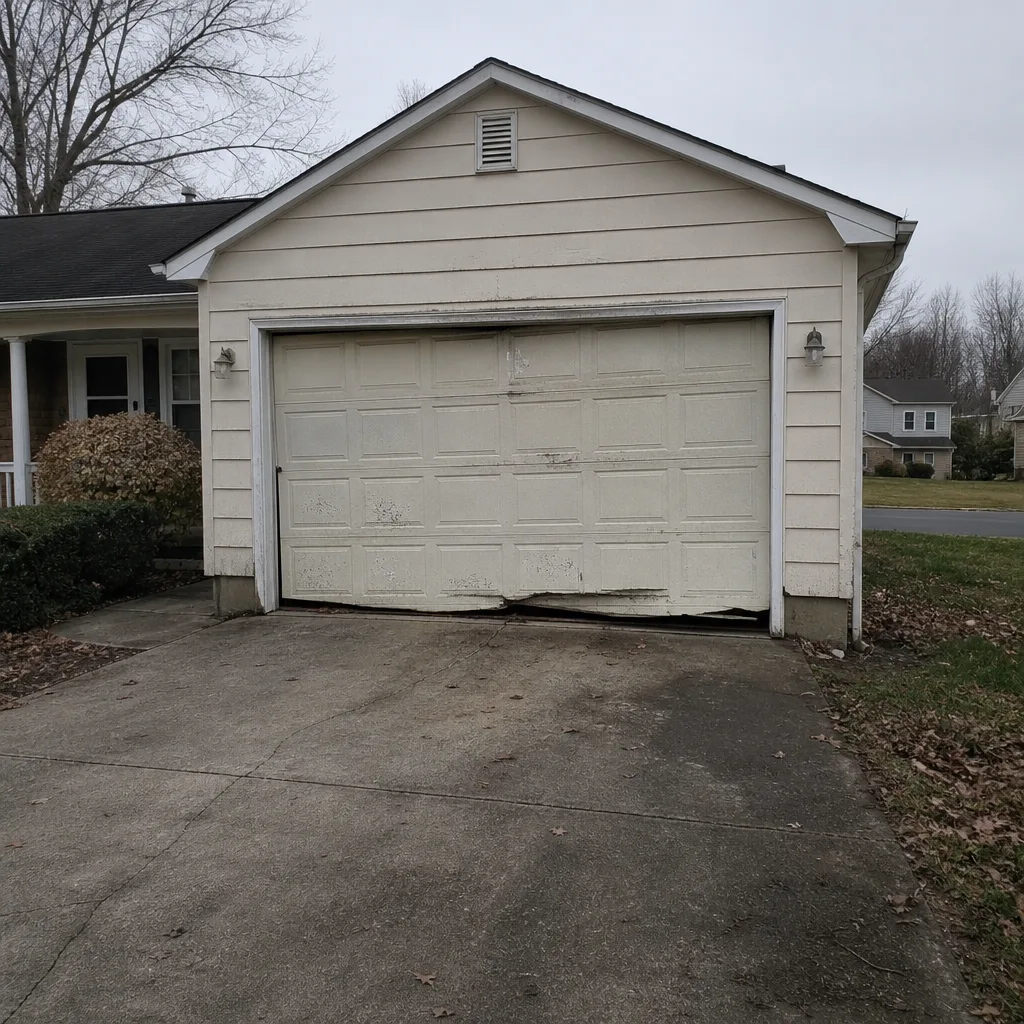 Before
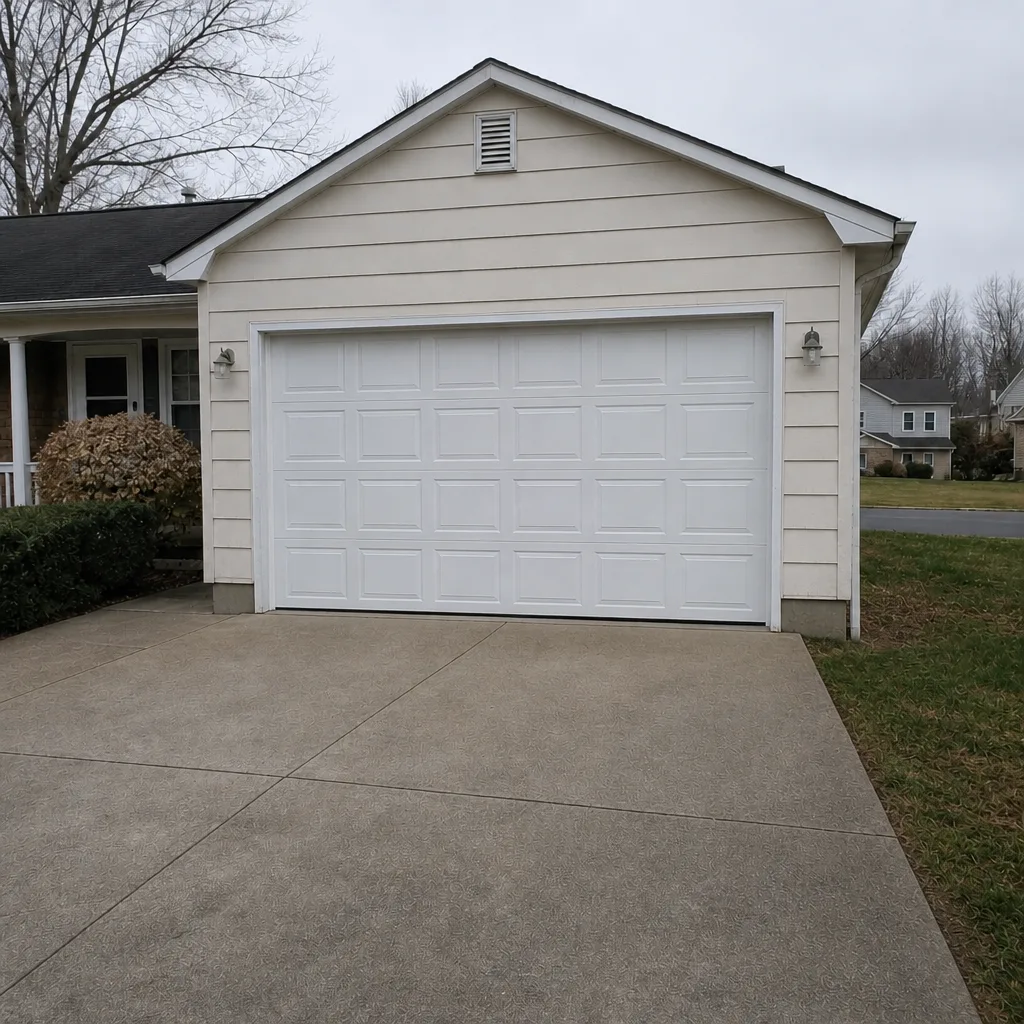 After
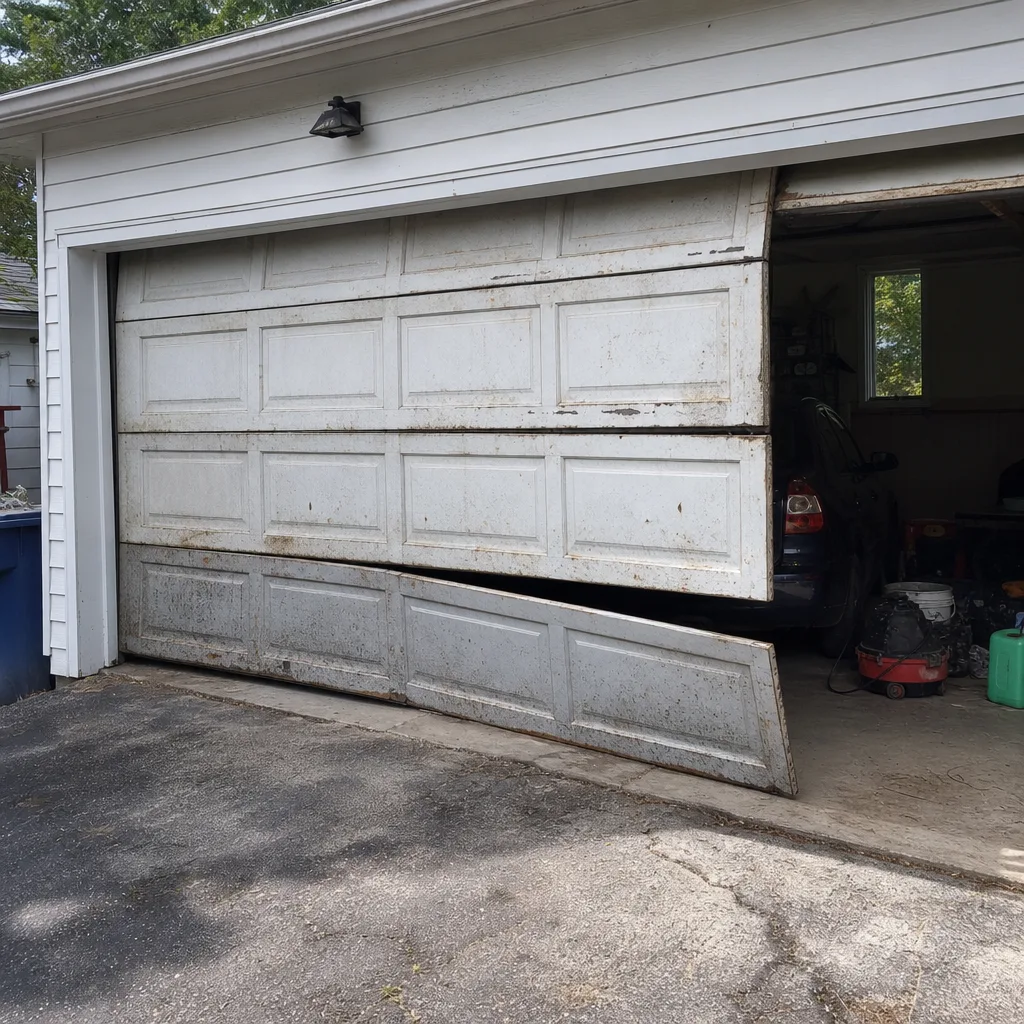 Before
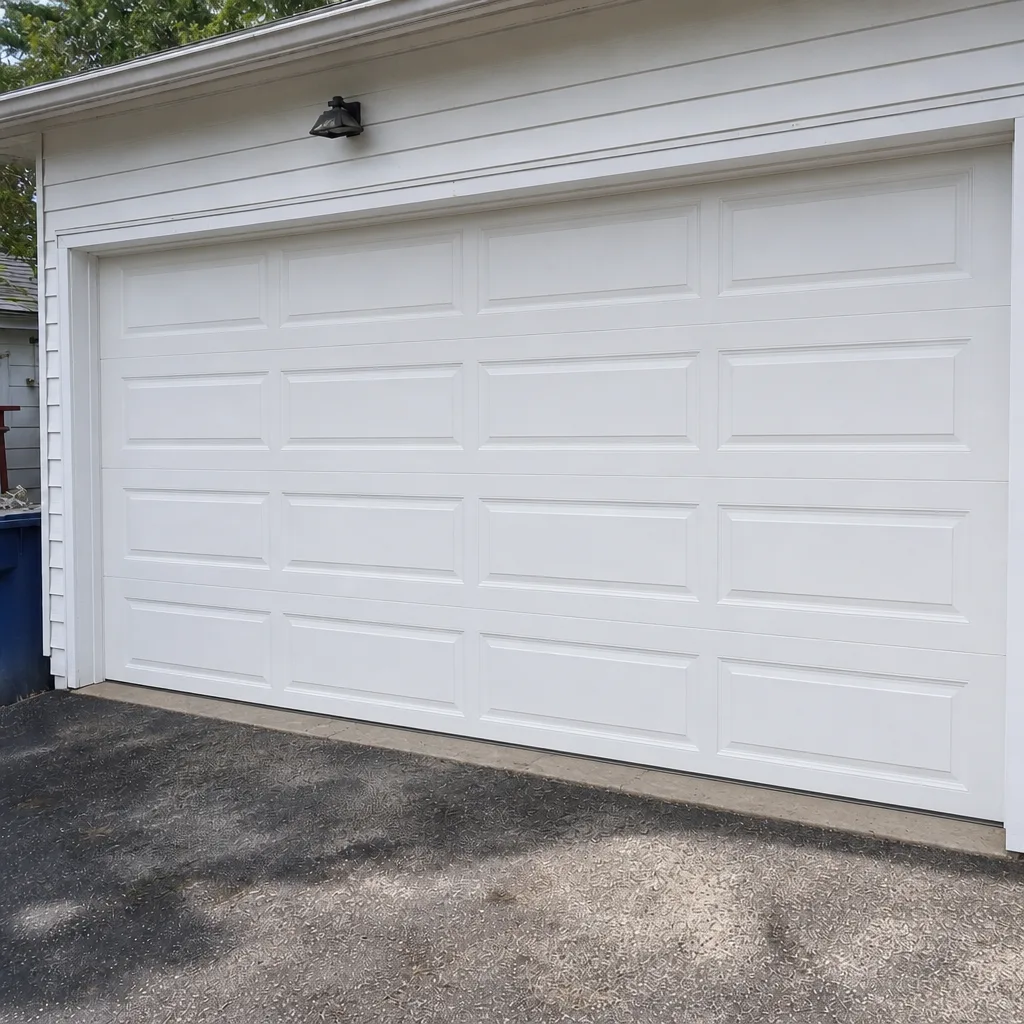 After
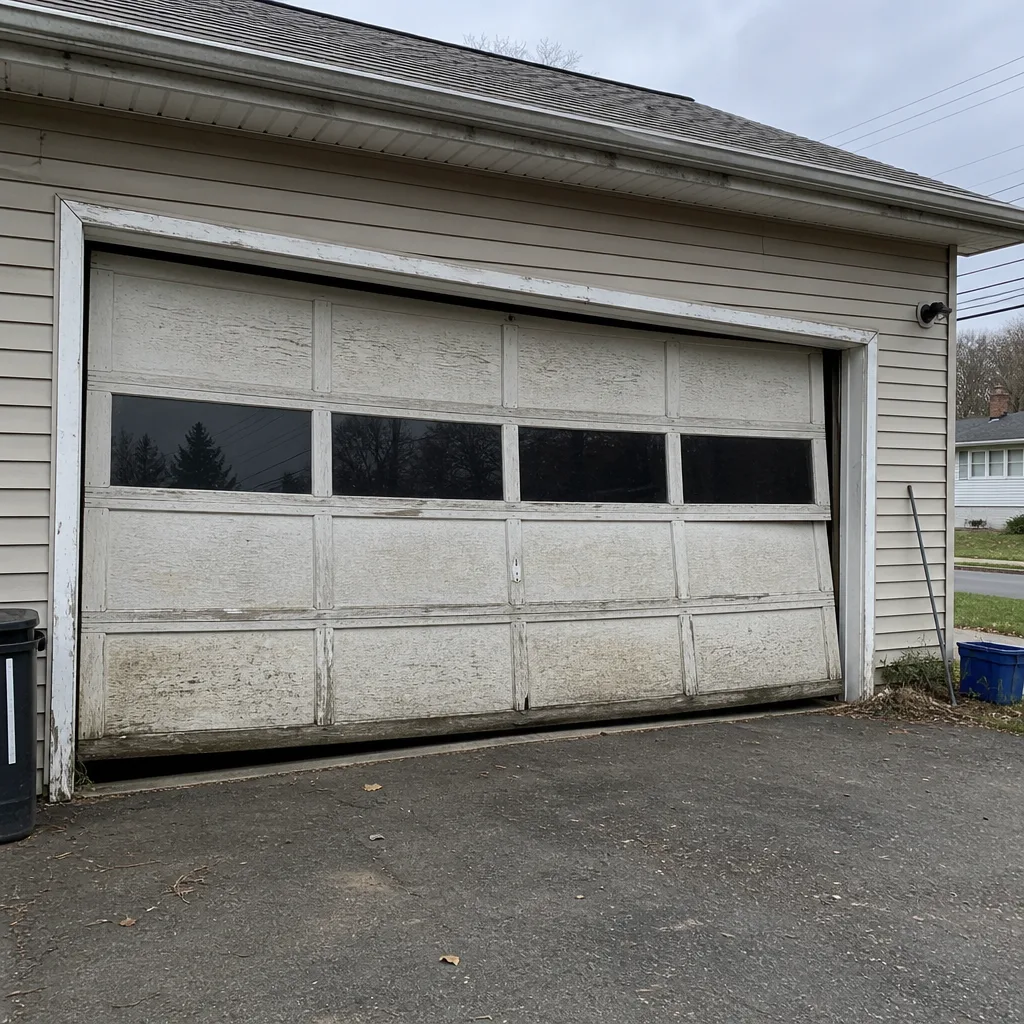 Before
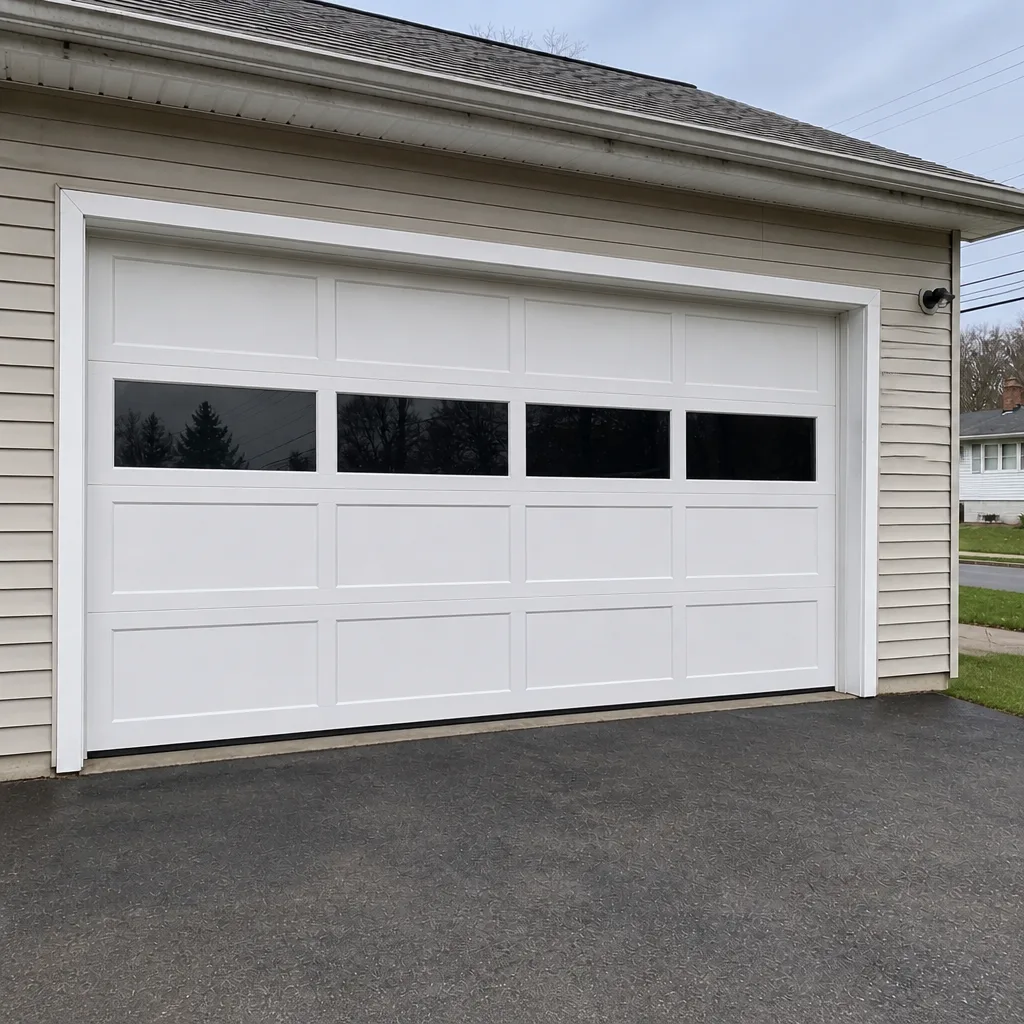 After
When to Call a Professional
Call a professional the moment the job involves a spring, a cable, the bottom bracket, a door that’s out of balance, or a door that won’t open at all. Those are the tasks where skill alone isn’t enough protection, and where a wrong move carries real injury risk. Call us too if you’ve started a “quick fix,” found an underlying problem, and aren’t sure how far it goes. And call when the door won’t close and your home isn’t secure; that’s a same-day situation, not a wait-and-see one.
Garage Door Repair Norwich offers free estimates in Norwich. Call (877) 517-6532 and we’ll diagnose the specific system, explain what’s wrong, and give you a written quote before any work begins. We’re open Sunday through Friday, 7am to 7pm, and closed Saturday. When the door won’t move, that’s the call worth making.
Frequently Asked Questions
No, and we’d strongly advise against it. A torsion spring holds enough stored energy to cause serious injury, and replacing it safely requires matched winding bars, correct spring sizing for your door’s weight, and a controlled winding sequence. The savings don’t justify the risk. Call (877) 517-6532 for spring repair with a free estimate.
Rollers, weather seals, bottom rubber, hardware tightening, lubrication, photo-eye alignment, and opener remote programming are all reasonable DIY tasks for a careful homeowner. Anything involving springs, cables, the bottom bracket, or a door that’s out of balance belongs with a professional. If you’re unsure which side a job falls on, call (877) 517-6532 and ask before you start.
It depends on your policy and carrier, and there’s no universal answer. Work you perform yourself on a high-energy system can change how a claim is handled, so the right move is to ask your agent directly before starting. For any risky repair, having a licensed, insured local pro do the work keeps the liability with the professional. Call (877) 517-6532 for a free estimate.
A single torsion or extension spring repair typically falls in a modest range once you account for the spring, labor, and rebalancing, and a matched pair costs about twice a single spring because both are usually replaced together. The written quote you receive before work starts is the final price, so there are no surprises. Call (877) 517-6532 for an exact quote on your door.
No. Winding bars are only part of what a safe spring replacement requires; you also need the correct spring matched to your door’s weight, the right winding sequence, and the experience to know when something is off. The tool cost plus the risk makes DIY a false economy. Call (877) 517-6532 and let a technician handle it with a free estimate.
Yes, we offer emergency garage door service for situations where a stuck or broken door is a security or access problem, not just an annoyance. We’re open Sunday through Friday, 7am to 7pm, and closed Saturday. Call (877) 517-6532 and we’ll help you get the door sorted.
Yes. We work on equipment from LiftMaster, Chamberlain, Genie, Clopay, Amarr, Wayne Dalton, Craftsman, and Raynor, so we diagnose by system rather than guess. Whether it’s garage door opener repair or a new installation, knowing the brand means we arrive ready. Call (877) 517-6532 for a free estimate.
Stop and don’t force it. If the door won’t move, the first check is whether the opener is getting power and whether the manual release has been engaged. If a spring has broken or the door is jammed, that’s a professional call. Reach us at (877) 517-6532 and we’ll help you figure out the next step.
The Bottom Line
The DIY-versus-pro decision for a garage door comes down to stored energy, not confidence. Rollers, seals, remote programming, and lubrication are safe, worthwhile tasks. Springs, cables, and the bottom bracket carry risks that no amount of skill can offset, and the tool cost and liability picture make DIY a bad trade for those jobs. In Norwich, cold winters and heavy daily use put extra wear on springs and hardware, which makes early diagnosis worth it. When a job crosses the line, call a specialist. Our technicians have up to 8 years of experience diagnosing by system, whether it’s a Garage Door Repair Norwich repair from a specific brand or a full replacement.
Written by the team at Garage Door Repair Norwich.